Best Snorkeling Spots in Komodo National Park
You don't need a scuba certification to see most of what makes Komodo's waters famous. You need the right stops, and most standard tours already include them.
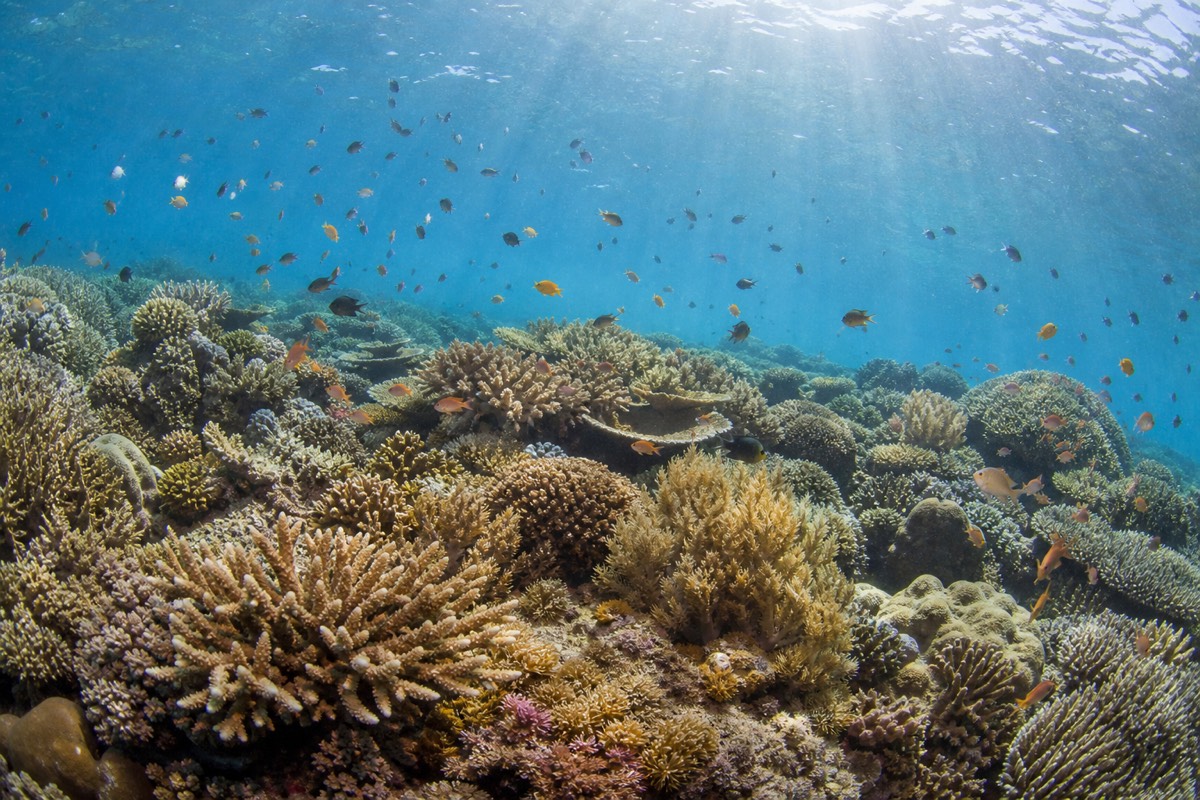
Scuba diving gets most of the attention in Komodo's marketing, but the park's shallow reefs and cleaning stations are just as rewarding with a mask and snorkel, no certification, no gear rental logistics, no depth limits to plan around.
Booking Choice: Reach Padar, Pink Beach and a ranger-led dragon walk on an 11-hour group day trip. Explore Early-Departure Komodo Group Speedboat
Start: Labuan Bajo. Confirm age rules and extras before booking.
What makes Komodo genuinely good for snorkeling, not just diving?
Several of the park's signature marine encounters, manta rays at Manta Point, the coral around Pink Beach and Kanawa Island, sit shallow enough to reach without scuba gear, which is why nearly every standard tour on this site is built around snorkeling rather than diving. You're not missing the headline experiences by skipping certification; you're accessing most of them a different way.
Where are the best snorkeling spots specifically?
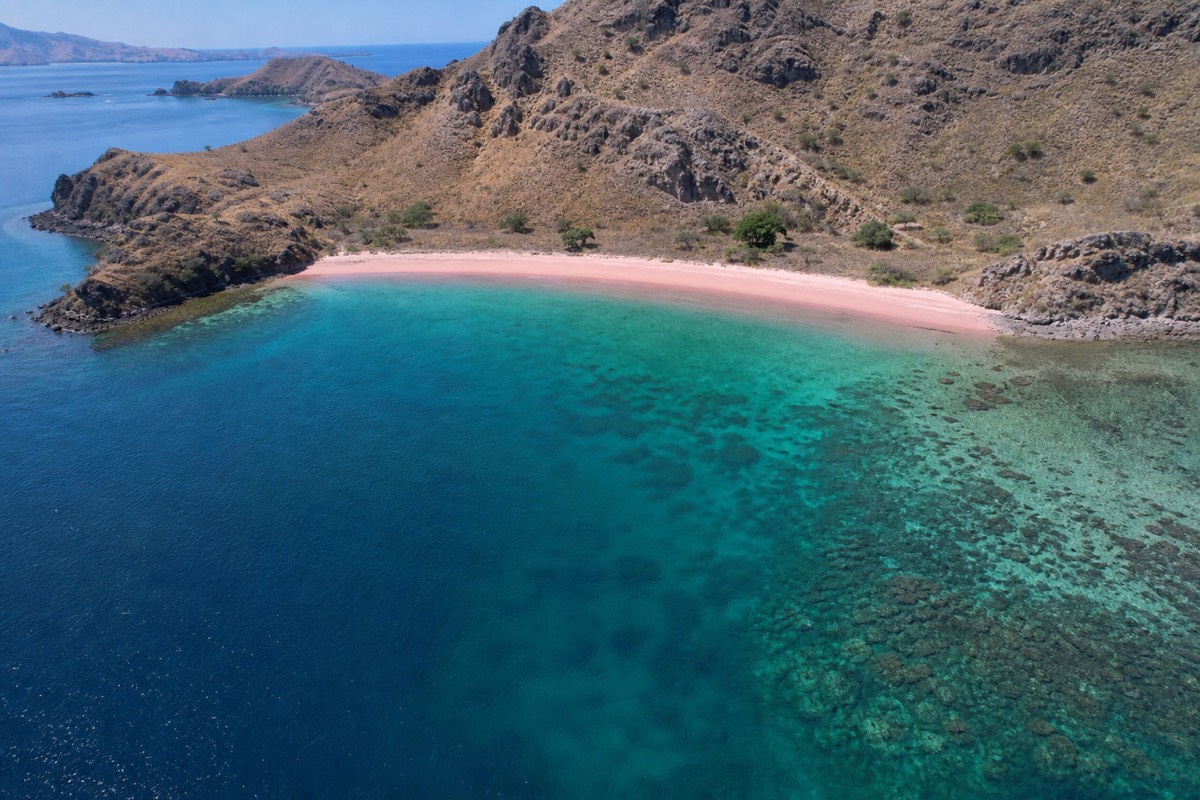
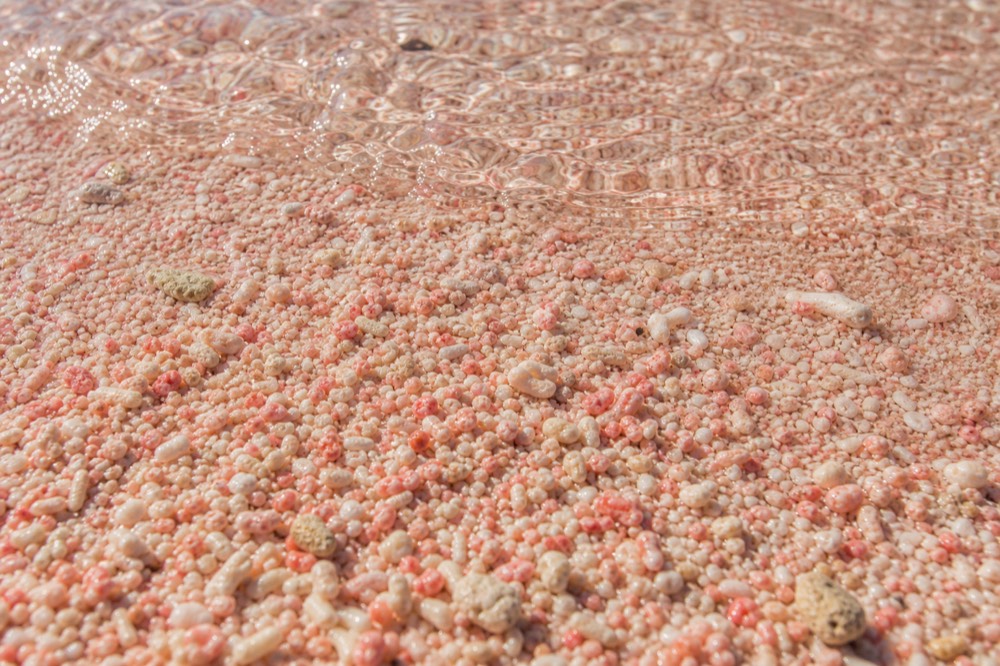
Manta Point for the manta ray encounter, the reef fringing Pink Beach for accessible, colorful coral close to shore, and Kanawa Island's shallow fringing reef are the three spots that come up most consistently across the tours and operators in this park. Kanawa is one of several worth knowing by name; the islands guide covers it and a handful of others that fill out a longer itinerary.
| Spot | Known for | Difficulty |
|---|---|---|
| Manta Point | Reliable manta ray encounters | Moderate; some current |
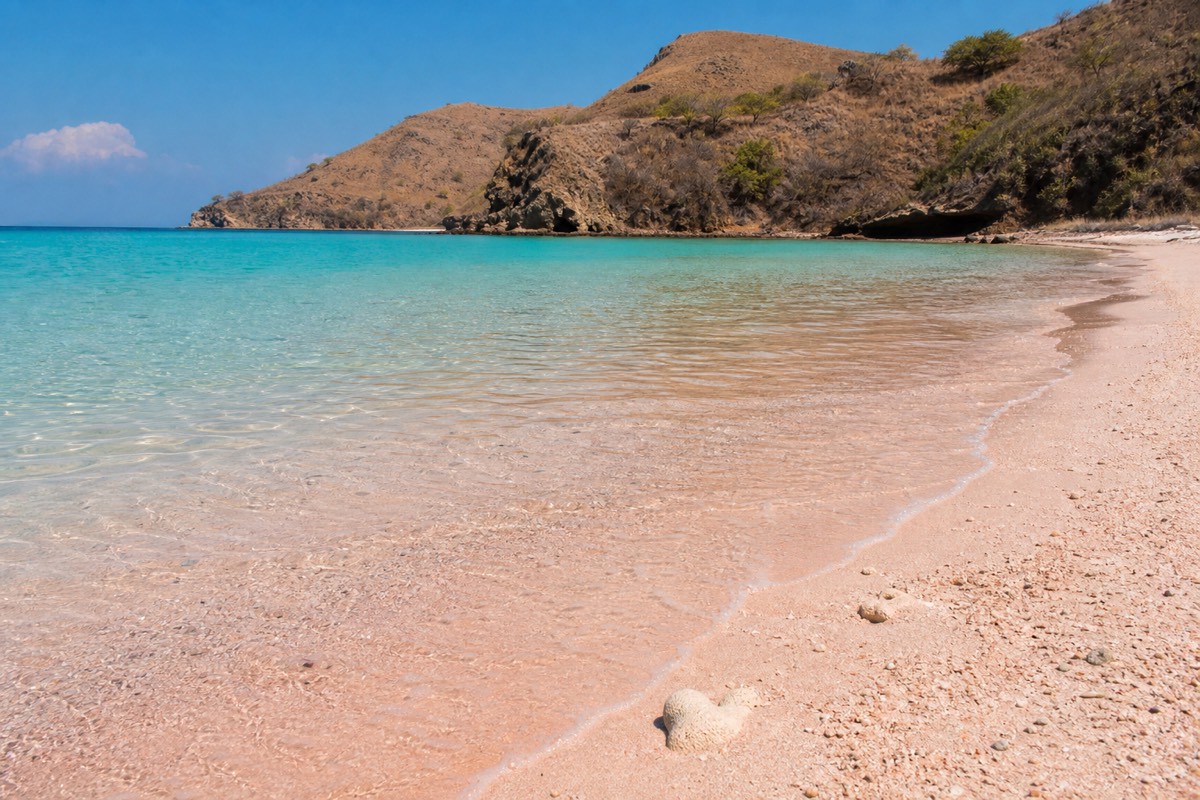
| Pink Beach | Colorful coral, calm shallow water | Easy, good for beginners |
| Kanawa Island | Shallow fringing reef, clear water | Easy |
| Taka Makassar | Sandbar with surrounding reef | Easy to moderate |
| Siaba Island (Turtle Point) | Sea turtle sightings | Easy to moderate |
Which of these spots does your actual tour reach?
Manta Point and Pink Beach appear on nearly every standard itinerary, while spots like Taka Makassar, Siaba Island and Kanawa vary more by specific tour and trip length. The full-day snorkeling tour on this site includes Manta Point, Taka Makassar and Kanawa Island in a single day; the early-bird speedboat tour swaps in Siaba Island for a better shot at sea turtles.
| Tour | Snorkel stops included |
|---|---|
| Full-day snorkeling tour | Manta Point, Taka Makassar, Kanawa Island |
| Early-bird speedboat | Manta Point, Taka Makassar, Siaba Island (turtles) |
| Pink Beach 2D1N | Manta Point, Pink Beach reef |
What's the water and current actually like at each spot?
Pink Beach and Kanawa Island are the calmest, most beginner-friendly options; Manta Point and the channel spots can carry more current, which is part of why guides brief snorkelers before entering the water and keep groups together. None of the standard snorkel stops require advanced swimming ability, but comfort in moving water helps at the current-prone sites specifically; see the swimming safety guide for the fuller picture on current and precautions.
What should you bring, beyond the gear your tour provides?
Reef-safe sunscreen matters more here than a "nice to have," since you'll likely be in the sun and water repeatedly across a single day, and standard sunscreen can damage coral. A rash guard helps with both sun exposure and comfort during extended time in the water, and a dry bag protects your phone or camera between stops.
| Item | Why it matters |
|---|---|
| Reef-safe sunscreen | Protects coral; standard sunscreen is often restricted at reef sites |
| Rash guard | Sun protection during extended water time |
| Dry bag | Protects electronics between snorkel stops |
| Your own mask (optional) | Only worth it for a specific fit preference |
How does snorkeling here compare to scuba diving the same waters?
Snorkeling reaches the shallower, calmer sites, Manta Point, Pink Beach, Kanawa, comfortably, while the park's deeper, current-driven named dive sites like Batu Bolong or Cannibal Rock genuinely require scuba certification to experience properly. If snorkeling has you curious about what the deeper sites offer, the dive sites guide covers the full named-site breakdown, and the broader marine ecosystem behind all of it is covered in the marine life and wildlife guide.
What does a full snorkeling day actually look like, stop by stop?
A standard snorkeling-focused day trip runs three to four in-water stops across roughly ten hours, starting with the longest open-water crossing while the boat is fastest and the group freshest, and ending with the calmest, shortest stop before the return leg to Labuan Bajo. The pacing isn't arbitrary: operators sequence stops around boat traffic, light and where currents tend to be gentlest earlier in the day, not just geography.
| Time | Typical stop | What's happening in the water |
|---|---|---|
| Early morning | Departure, longest crossing | Gear briefing aboard, life jackets fitted |
| Mid-morning | Manta Point | Drift snorkel over the cleaning station, ranger or guide in the water |
| Midday | Taka Makassar or Kanawa | Shallow reef snorkel, sandbar break for lunch |
| Early afternoon | Pink Beach | Calm, shallow snorkel close to shore |
| Late afternoon | Return crossing | Gear rinse and stow, boat heads back to harbor |
Multi-day trips spread this same sequence across two or three mornings instead of cramming it into one, which is the main practical difference the day trip vs liveaboard comparison covers in more depth.
How much should you actually budget for a snorkeling-focused day, beyond the tour price?
Beyond the tour fee itself, plan for the separate cash park entrance fee, a modest amount for tipping the crew and guide, and a small buffer for drinks or snacks not included in your specific listing. None of these are large sums individually, but travelers who budget only for the advertised tour price are sometimes surprised on the day.
| Cost | Planning allowance | Paid how |
|---|---|---|
| Tour price | Per the live GetYourGuide/Viator listing | Booked online in advance |
| Park entrance & conservation fee | See the entrance fees guide for the current range | Cash, on the day |
| Crew/guide tip | A modest discretionary amount, not mandatory | Cash, end of trip |
| Extra drinks/snacks | Small buffer, in case bottled water alone isn't enough for you | Cash |
Who should think twice about a snorkeling-heavy itinerary specifically?
Travelers who are genuinely uncomfortable in open water, even with a life jacket, will get less out of a day built around four separate snorkel stops than out of a more balanced itinerary weighted toward the Padar hike and dragon walk instead. The same goes for anyone prone to seasickness who hasn't taken preventative medication, since a snorkeling day means more time bobbing at anchor between stops rather than moving boat traffic, which some travelers find worse for nausea, not better. Neither group needs to skip a Komodo trip entirely; it's worth telling your operator in advance so they can weight the day's stops accordingly, or choosing a format like the early-bird speedboat tour that spends more time on land-based stops.
How does current actually change through the day at each snorkel stop?
Current in Komodo's waters isn't constant, it builds and eases with the tide, and the same spot that feels calm at 9am can develop a noticeable pull by early afternoon, which is exactly why guides brief the group before every single entry rather than assuming yesterday's conditions still apply today. This tidal rhythm is part of the same north-south oceanography that shapes the park's dive sites, warmer, generally gentler currents in the north, colder and often stronger currents feeding the south, and it's a big part of why an experienced local guide reading the water in real time matters more here than at a typical calm lagoon.
Morning stops tend to catch the gentlest window at most sites, which is one more reason operators front-load the day's snorkeling rather than saving it for the afternoon. Manta Point in particular can develop stronger drift by midday, which isn't dangerous with a guide managing group positioning, but it does change the experience from a leisurely float to a more active drift-snorkel. None of the standard stops on this site's tours require fighting current, since guides route around the worst of it, but knowing that the conditions genuinely shift through the day helps set expectations if your first stop feels calmer than your last.
| Time of day | Typical current behavior | What it means for you |
|---|---|---|
| Early morning | Generally gentlest window at most sites | Easiest, most relaxed snorkeling |
| Midday | Building, especially at exposed sites | Guide manages positioning more actively |
| Afternoon | Can be strongest at current-prone stops | More of a drift-snorkel feel at some sites |
What's the full gear checklist, beyond mask, snorkel and fins?
Everything essential is included on every tour on this site, but a short list of extras genuinely improves the day for anyone who snorkels more than occasionally: prescription snorkel lenses if you normally wear glasses, a wetsuit top or rash guard for warmth on longer multi-stop days, and a way to secure a phone or action camera so it doesn't become the thing you're chasing instead of the manta ray. None of these are dealbreakers if you don't have them, standard gear covers the basics fine, but repeat visitors consistently mention this specific short list when asked what they'd bring differently next time.
| Item | Who it's worth it for |
|---|---|
| Prescription snorkel mask or clip-on lenses | Anyone who normally wears glasses or contacts |
| Wetsuit top or long-sleeve rash guard | Anyone snorkeling multiple stops across a full day |
| Floating wrist strap for a phone/action camera | Anyone bringing a camera into the water |
| Earplugs designed for swimming | Anyone prone to ear discomfort from repeated surface diving |
| Reef-safe sunscreen, applied well before entry | Everyone; standard sunscreen is discouraged near coral |
How does Komodo's snorkeling actually compare if you've done the Great Barrier Reef or the Maldives before?
Travelers who've snorkeled well-known reef systems elsewhere generally describe Komodo's draw as less about sheer coral coverage and more about the combination on offer in one trip: a genuinely wild land animal, a dramatic hiking viewpoint, and reliable manta encounters, all reachable from the same boat on the same day. The reef itself at spots like Pink Beach and Kanawa is healthy and colorful without being the single densest coral you'll ever see, while Manta Point's cleaning-station mantas are the standout wildlife moment that a generic reef stop elsewhere usually can't match on a comparable single-day trip. If reef density alone is your top priority, Komodo isn't chasing that record; if a varied, wildlife-forward day is what you want, it delivers something most single-reef destinations can't.
What will you actually recognize in the water, beyond "colorful fish"?
Shallow reef flats around Pink Beach and Kanawa tend to show off branching and table corals with dense clouds of small reef fish, damselfish, wrasse and butterflyfish among them, while deeper drop-offs near Manta Point and the channel spots add larger visitors passing through, occasional reef sharks, larger schooling fish, and of course the mantas themselves circling the cleaning station. None of this requires identifying species to enjoy, but knowing roughly what zone produces what sighting helps set realistic expectations for each specific stop rather than expecting every location to deliver the same kind of encounter.
Sea turtles are the other headline sighting worth knowing where to look for: Siaba Island in particular has built a reputation as a reliable turtle spot, distinct from the coral-and-fish reef stops and the manta cleaning station, which is why some itineraries specifically swap it in over another generic reef stop when turtles are a stated priority for the group.
| Zone | What you'll typically see |
|---|---|
| Shallow reef flats (Pink Beach, Kanawa) | Branching/table coral, dense small reef fish |
| Cleaning stations (Manta Point) | Manta rays circling, cleaner fish |
| Channel and drop-off edges | Larger fish, occasional reef sharks |
| Siaba Island area | Sea turtles, a specific and reliable sighting |
How should a group with very mixed snorkeling ability actually handle these stops together?
A strong swimmer and a nervous first-timer can genuinely do the same stop together, since life jackets are standard equipment and guides typically position themselves near the group's least confident member rather than expecting everyone to keep pace with the fastest swimmer. The practical adjustment for a mixed group is communication before entering the water: telling your guide upfront who's less confident lets them adjust positioning and pacing from the start rather than reacting after someone's already struggling.
For the nervous swimmer specifically, staying closer to the boat or guide, using a life jacket even if you technically don't need one, and treating the first stop as a low-pressure test of comfort before committing to a longer swim at a later stop all make the day work better for everyone, without holding back stronger swimmers who want to range further from the group at sites like Manta Point where the guide is actively watching the whole group's positioning anyway.
What's the honest bottom line on gear, current and preparation for a first-time Komodo snorkeler?
Trust the included gear, listen to your guide's briefing at each stop, and don't overthink the preparation beyond what's covered in this guide: reef-safe sunscreen, a rash guard if you have one, and a willingness to let a life jacket do its job if you're not a strong swimmer. Nearly everything that makes this snorkeling genuinely rewarding, the manta encounters, the healthy reef, the guided structure, is already built into the full-day snorkeling tour rather than something you need to arrange separately.
What should you actually read next once the water-side plan feels settled?
Round out the trip with the land side of the park: the dragon walk guide and the Padar hike guide cover the two headline stops most itineraries pair with a snorkeling day, and together with this guide give you the full shape of a standard Komodo tour.