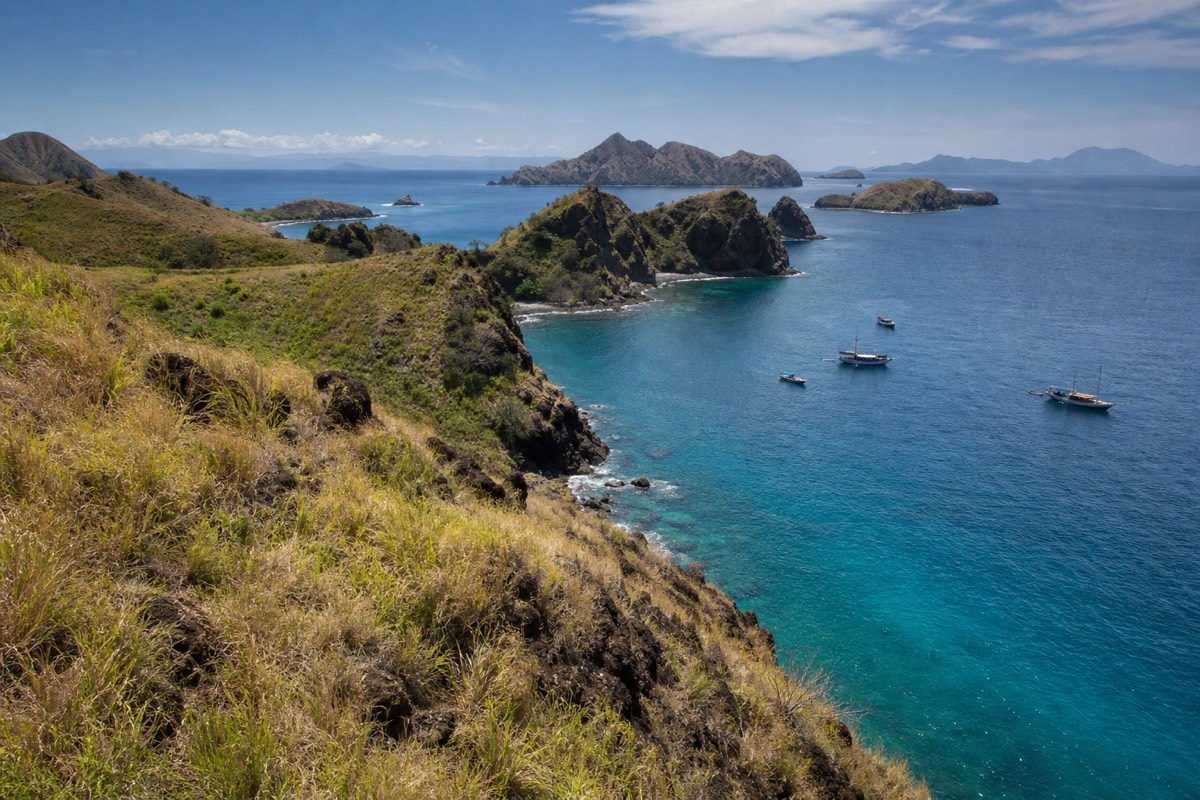
Is It Safe to Swim in Komodo National Park?
Yes, generally, at the designated stops tours actually use. The real hazards here are currents and boat traffic, not the animal most people ask about first.
The question comes up often enough, and understandably: this is a national park famous for a large predatory reptile, so it's fair to wonder what that means for time in the water. The honest answer is that the real safety considerations here are mostly the ordinary ones, current and boat traffic, not the animal most people ask about first.
Booking Choice: Reach Padar, Pink Beach and a ranger-led dragon walk on an 11-hour group day trip. Explore Early-Departure Komodo Group Speedboat
Start: Labuan Bajo. Confirm age rules and extras before booking.
Is it actually safe to swim in Komodo National Park?
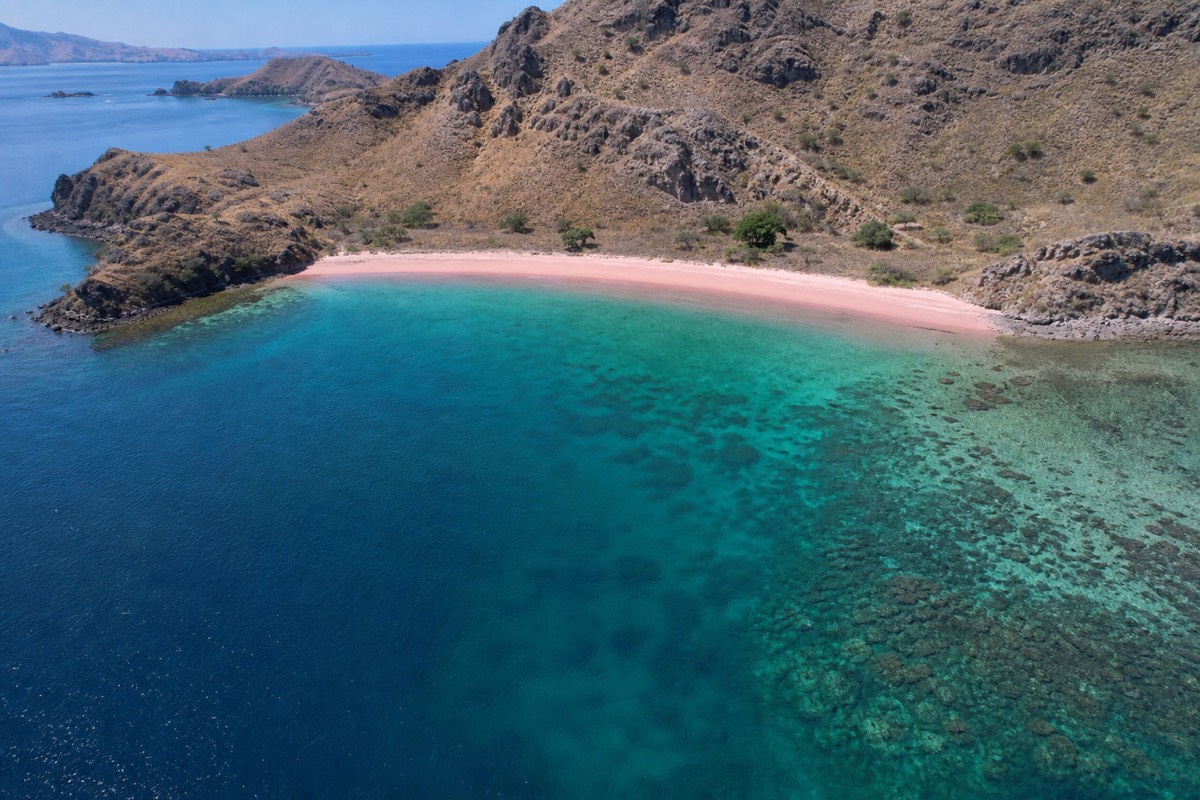
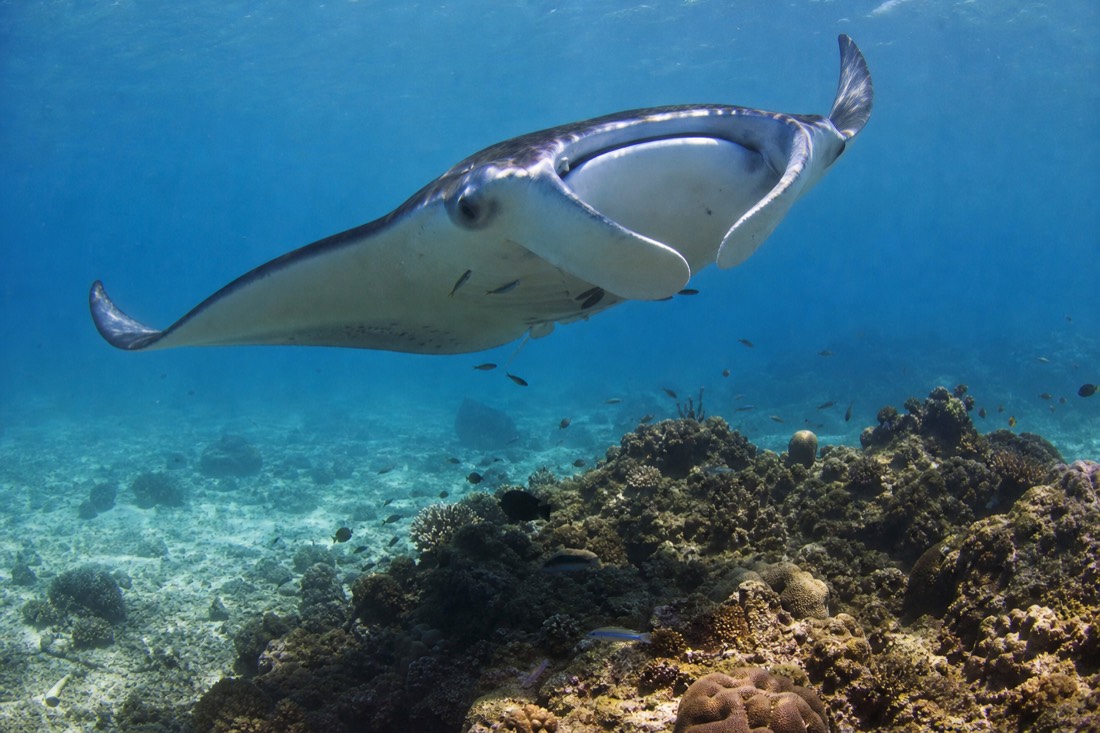
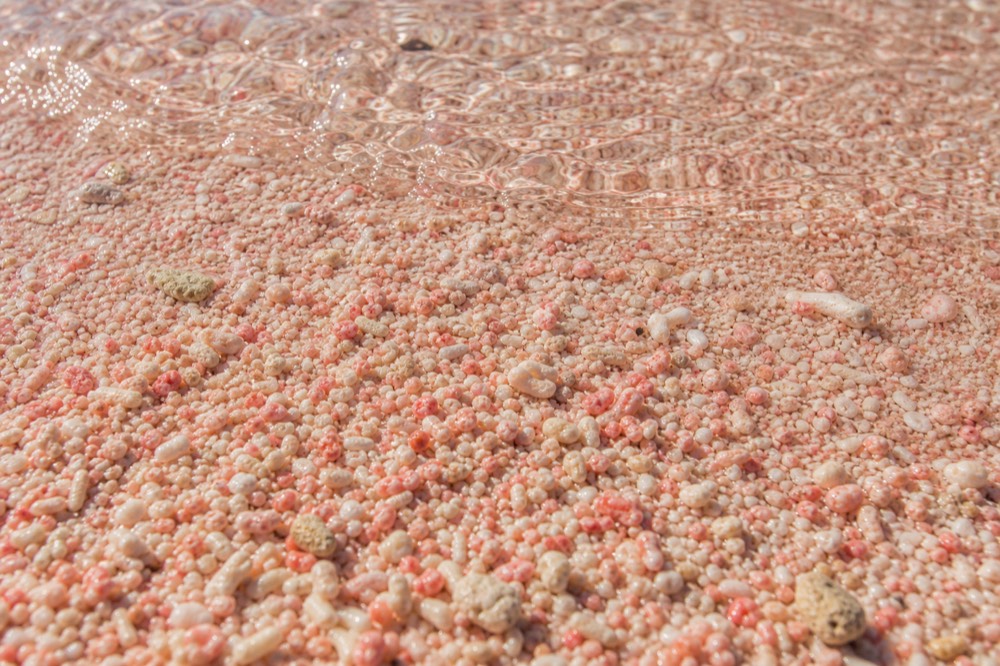
Yes, generally, at the designated swimming and snorkeling stops that tours use, Pink Beach, Manta Point, Kanawa Island and similar spots. These are chosen partly for being manageable, reasonably sheltered water, and every tour on this site provides life jackets and a briefed guide at each stop. That doesn't mean every patch of water in the park is equally calm, some current-driven channel and dive sites are genuinely more demanding, but the specific stops a standard tour takes you to are treated as swim- and snorkel-appropriate for a reason.
What are the actual hazards to be aware of?
Current is the main one. Certain sites in the park, particularly the ones used for scuba diving rather than casual snorkeling, carry strong, tide-driven current that can be genuinely challenging even for confident swimmers. This is why guides brief every group before entering the water at a given stop and why they keep swimmers together rather than letting people spread out independently. Boat traffic is the other practical consideration, staying within your tour's designated swim area, rather than drifting toward open channels where other vessels are moving, is standard, sensible guidance.
Do Komodo dragons pose any real risk to swimmers?
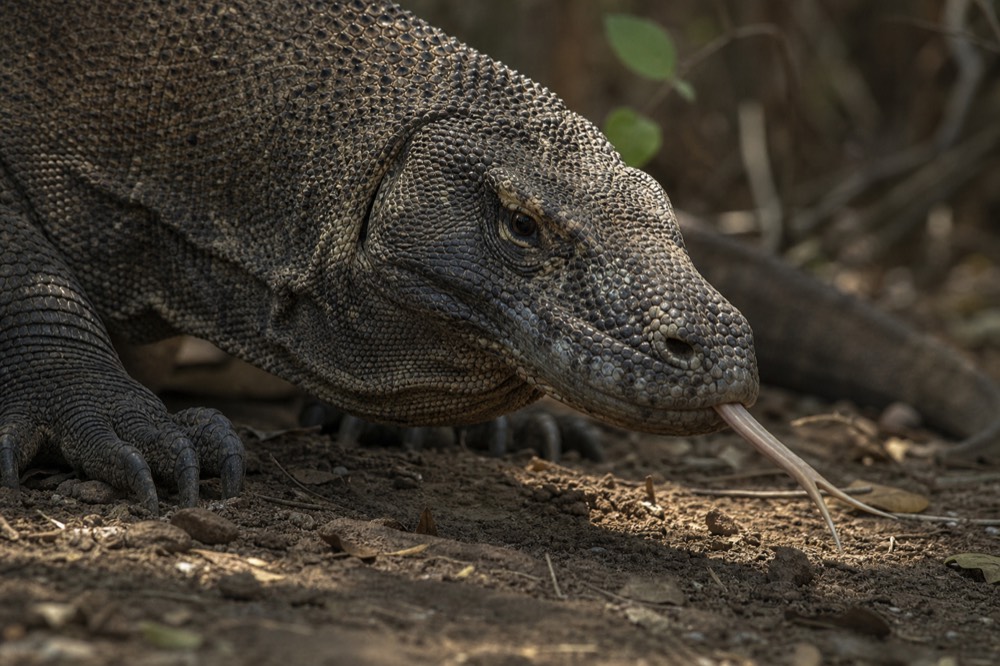
Dragons are capable swimmers, and there are documented records of them moving between islands in the park by water. That said, there's no documented pattern of dragon attacks on swimmers at the beach and reef locations that tours actually use, and it isn't treated as a real swimming hazard in park safety guidance or by tour operators. The dragons you'll see on a guided walk stay on their assigned island trail system; the beaches and snorkel stops tours use are chosen partly with this separation in mind. For the full, sourced picture on dragon safety specifically, see the dragon safety guide.
Which specific spots are calmest for swimming?
Swimming ability must be checked against the exact tour. The verified GetYourGuide day snorkeling tour and three-day sailing tour exclude non-swimmers; a life jacket does not override that restriction. The private Kalong sunset cruise has no swimming stop, but boarding ability and its other participation rules still need confirmation.
What precautions should you actually take?
Wear the life jacket your tour provides, even if you're a strong swimmer, since currents in this park can be stronger than they appear from the surface. Stay within your guide's designated area rather than swimming out toward open water or other boats. If you're prone to any anxiety in open water, mention it to your guide before entering, since operators are generally used to accommodating a range of comfort levels. And follow standard reef etiquette, no touching coral or marine life, both for your safety and the reef's.
Is swimming here different from a typical tropical beach destination?
Not dramatically. The current at specific sites is the one factor that genuinely sets some Komodo locations apart from a calm resort beach, which is exactly why guided context matters here more than at a typical swim spot. Beyond that, ordinary open-water common sense, staying near your group, respecting your guide's read on conditions that day, covers the practical safety picture for nearly every visitor.