Manta Point Komodo: Best Time to See Manta Rays
Manta Point earns its name honestly, but "when" matters more than most tour listings let on, and it isn't the same answer for every manta site in the park.
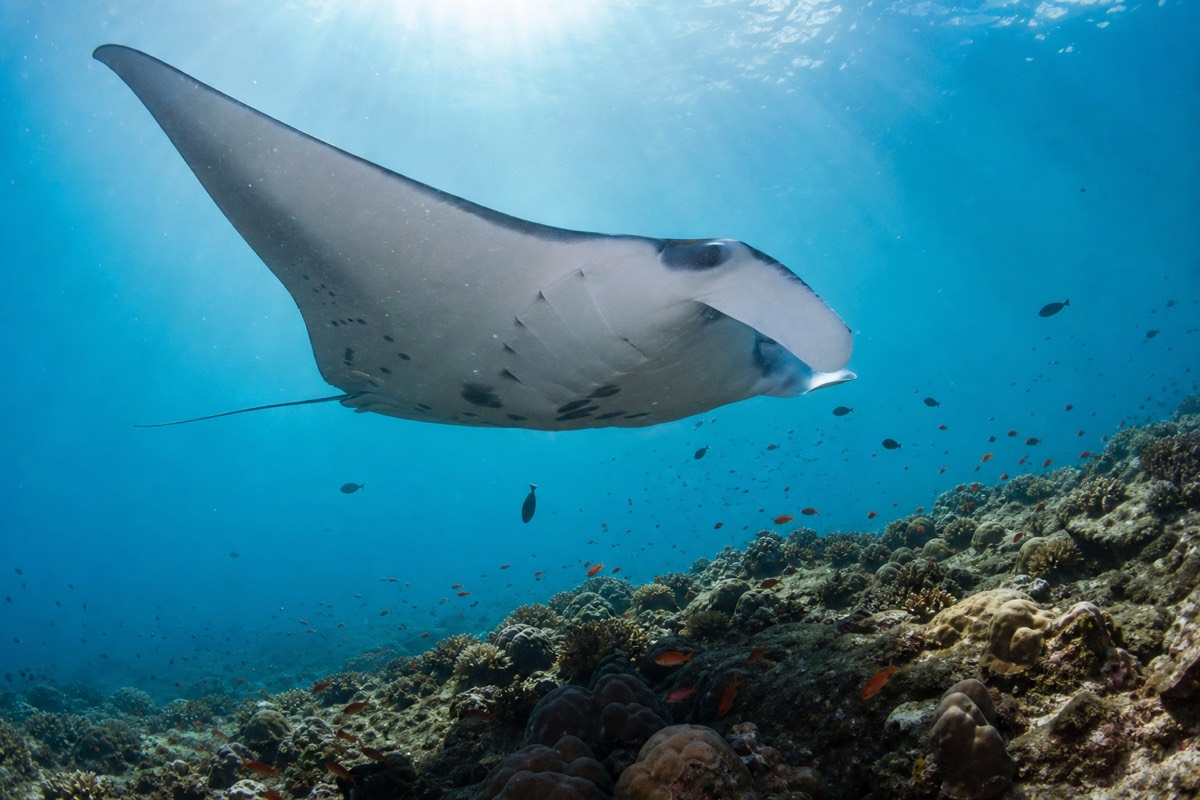
Manta Point delivers on its name often enough that it's a fixture on nearly every Komodo itinerary. But "often" isn't "always," and the pattern behind it, driven by currents and season rather than luck, is worth understanding if manta rays are the reason you're booking this trip.
Booking Choice: Reach Padar, Pink Beach and a ranger-led dragon walk on an 11-hour group day trip. Explore Early-Departure Komodo Group Speedboat
Start: Labuan Bajo. Confirm age rules and extras before booking.
What actually makes Manta Point a reliable manta ray spot?
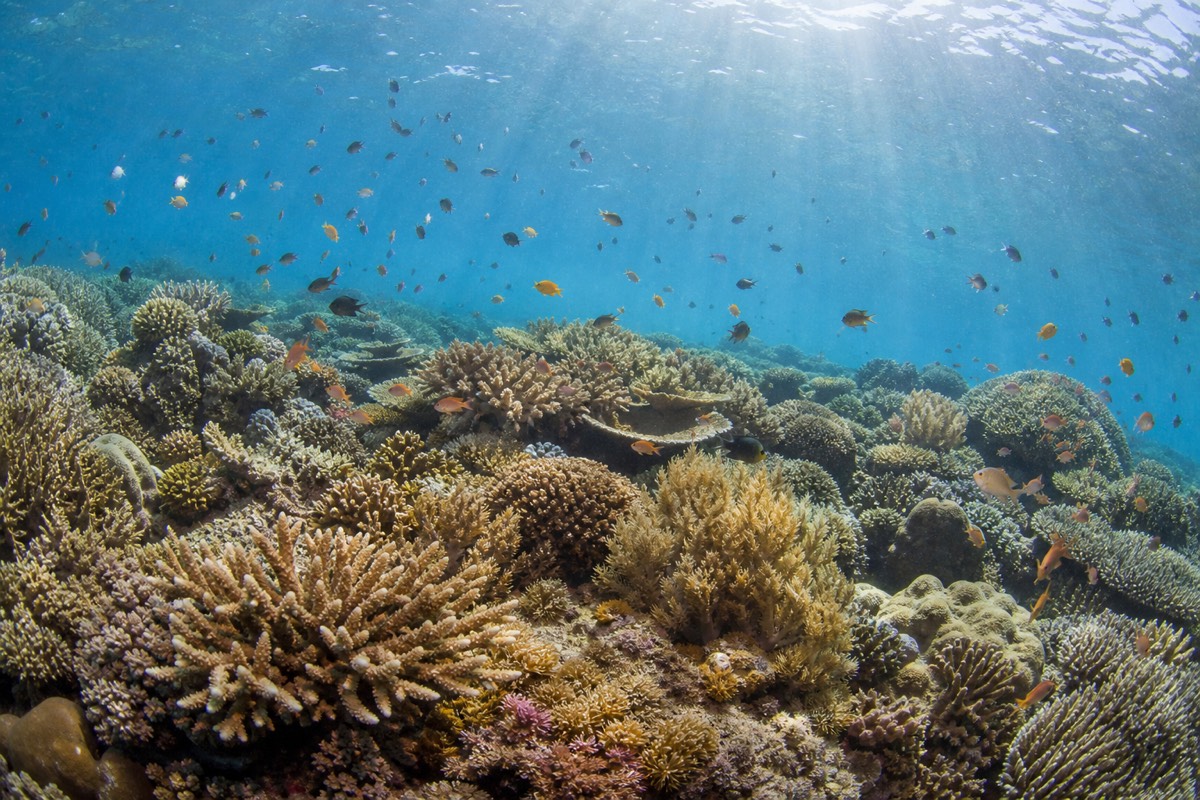
Manta Point functions as a natural cleaning station: small cleaner fish living on the reef groom parasites off the mantas' skin and gills, which gives the rays a reason to circle back to the same patch of reef repeatedly rather than simply migrating through. That behavior is what makes it a meaningfully more consistent encounter spot than open water, where sightings are far more down to chance.
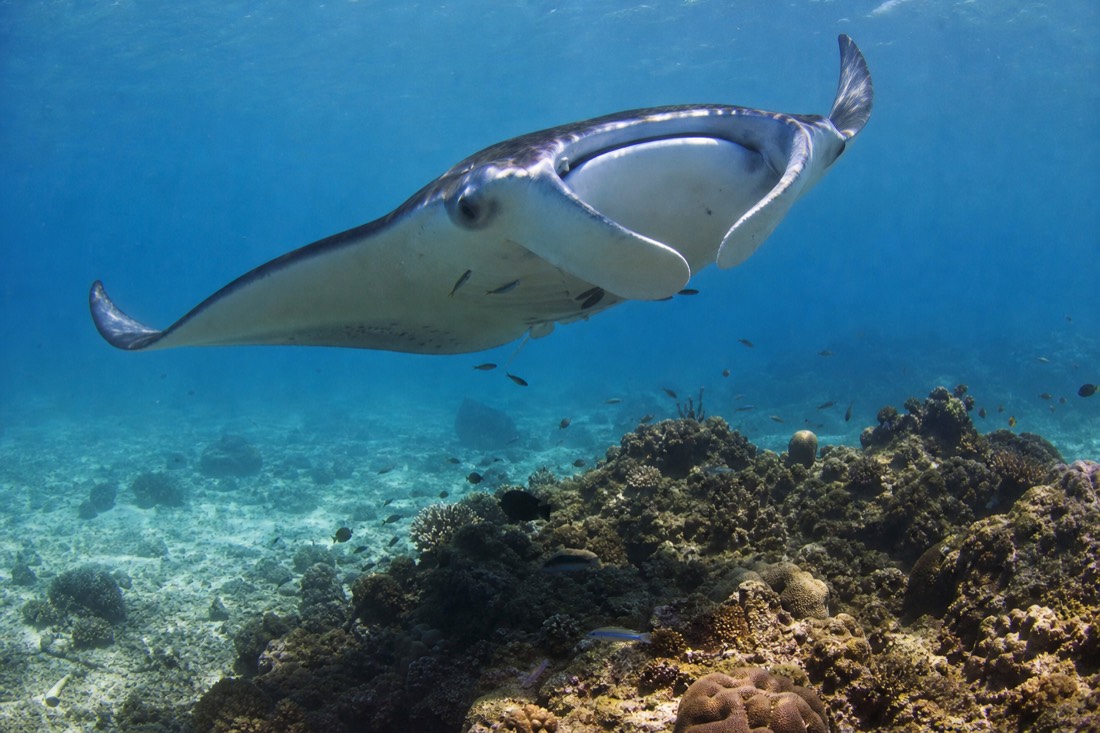
Do you need to scuba dive to see the mantas here?
No. Manta Point sits shallow enough that most operators, including every tour on this site, run it as a snorkel stop rather than a scuba dive, so no certification or dive gear is required to see mantas here. Snorkelers typically get a clear view of rays gliding beneath them or circling the cleaning station from the surface, one of several highlights covered in the best snorkeling spots guide.
Is Manta Point the same as "Manta Alley"?
No. Manta Point sits closer to the center of the park and is the site most standard day trips and open trips actually visit; "Manta Alley" refers to a separate cluster of sites further south that benefit from a stronger seasonal upwelling and can draw larger numbers of mantas during that specific window. Both are genuine manta encounter spots, but they follow somewhat different seasonal patterns.
| Site | Location | Typical season | Usually visited by |
|---|---|---|---|
| Manta Point | Central park | Fairly consistent much of the year | Standard day trips and open trips |
| Manta Alley (South) | Southern park | Best roughly July - September | Dive-focused liveaboards |
Why does the southern site have such a specific season?
Southern Komodo sits closer to where colder, nutrient-rich water rises up from deeper currents during the dry season, roughly July through September, and that nutrient boost draws in the plankton mantas feed on, which in turn draws the mantas themselves. This upwelling pattern is a well-documented feature of Komodo's oceanography, part of the same north-south current split covered in the dive sites guide.
| Month range | What's happening |
|---|---|
| January - April | Manta Point still productive; southern upwelling not yet active |
| May - June | Transitional; conditions building toward the upwelling season |
| July - September | Peak upwelling; southern sites at their most productive |
| October - December | Upwelling easing; Manta Point remains a consistent option |
Does the season actually change your odds at Manta Point itself?
Less dramatically than at the southern sites: Manta Point's role as a cleaning station makes it a fairly consistent spot across much of the year, which is exactly why it's the default manta stop on nearly every standard itinerary rather than only being scheduled during a narrow window. If maximizing the sheer number of mantas you might see is the priority over convenience, the July-September window and a trip built around the southern sites specifically is the stronger play, though that typically means a dedicated dive-focused liveaboard rather than a standard day trip.
What should you actually do to maximize your chances?
Book a tour that includes Manta Point as a standard stop, which nearly all of them do, and if manta encounters specifically are your top priority, consider timing your trip for the July-September window against the park's wider best time to visit guide, and ask your operator directly whether their route includes the southern sites in addition to Manta Point. Morning timing, calmer water and a stop earlier in the day's schedule, is also generally preferred over an afternoon visit. Divers curious how this compares to Indonesia's other big manta destination can see the Komodo vs Raja Ampat guide.
What does a manta encounter at the cleaning station actually look like, minute by minute?
Boats typically anchor a short swim from the cleaning station itself, and guides brief the group before entering the water on staying still and letting the mantas approach rather than chasing them, since a manta that feels crowded will simply peel away toward open water. A typical encounter runs anywhere from a few minutes to twenty or more, depending on how many rays are circling the station that day and how the group manages its distance and noise in the water.
| Stage | What happens |
|---|---|
| Approach | Boat anchors near the site, guide briefs the group |
| Entry | Snorkelers enter quietly, spread out, stay near the surface |
| Encounter | Mantas circle the cleaning station; group holds position |
| Etiquette | No touching, no chasing, no blocking a manta's path |
| Exit | Group regroups and returns to the boat as a unit |
Does a dedicated manta dive trip cost meaningfully more than a standard snorkel stop?
A standard day trip or open trip that includes Manta Point as one of several stops runs the same price as any other snorkeling-based Komodo tour on this site; a dedicated dive-focused liveaboard built specifically around the southern "Manta Alley" sites and named dive locations costs more, both because it's a specialist product and because it typically runs multiple days. For most travelers, the standard snorkel-inclusive tours already deliver a genuine manta encounter without the premium of a dive-specific charter.
| Option | What you get | Cost position |
|---|---|---|
| Standard day trip / open trip | Manta Point snorkel among several stops | Standard tour pricing |
| Dedicated dive liveaboard (southern sites) | Multiple named dive sites, southern manta sites, certification required | Higher, specialist multi-day pricing |
Who should prioritize the southern "Manta Alley" sites over Manta Point?
Certified divers specifically chasing the largest possible manta numbers, and willing to travel during the July-September upwelling window and book a dive-focused liveaboard, are the group who should actively seek out the southern sites over the more accessible Manta Point. Everyone else, non-divers, travelers on a standard day trip or open trip, or anyone visiting outside that narrow window, gets a genuine, well-documented manta encounter at Manta Point itself without needing to plan around a specific season or book a specialist product.
The verified products do not establish access to southern Manta Alley. A Manta Point snorkel tour is not a substitute; confirm a specialist southern diving itinerary before planning around that site.
What species of manta ray do you actually see here, and how big are they?
Reef manta rays are the species most commonly encountered in Komodo's waters, among the largest rays in the ocean and filter feeders that pose no bite or sting risk to swimmers, which is a big part of why a close snorkel encounter here is both safe and genuinely awe-inspiring. Their wingspan and the way they move, slow, deliberate glides interrupted by sudden banking turns as they feed or approach a cleaning station, is what makes even a brief encounter feel unlike swimming with any reef fish.
Because they're filter feeders, mantas pose no threat to snorkelers who keep a respectful distance, and standard guide-led etiquette, no touching, no chasing, no blocking their path, exists to protect the mantas from stress and disruption rather than to protect visitors from any real danger.
Why does the upwelling season actually work, biologically speaking?
During the dry-season months, colder, nutrient-dense water rises from deeper currents in the park's southern waters, a process called upwelling, and that nutrient boost feeds the plankton blooms mantas filter-feed on, which in turn is what draws mantas into the southern sites in larger numbers during that specific window. It's the same underlying current dynamics that shape the park's north-south dive-site character covered in the dive sites guide, just expressed here through the food chain rather than water temperature and visibility alone.
What should you do if you visit outside the peak window and don't see mantas that day?
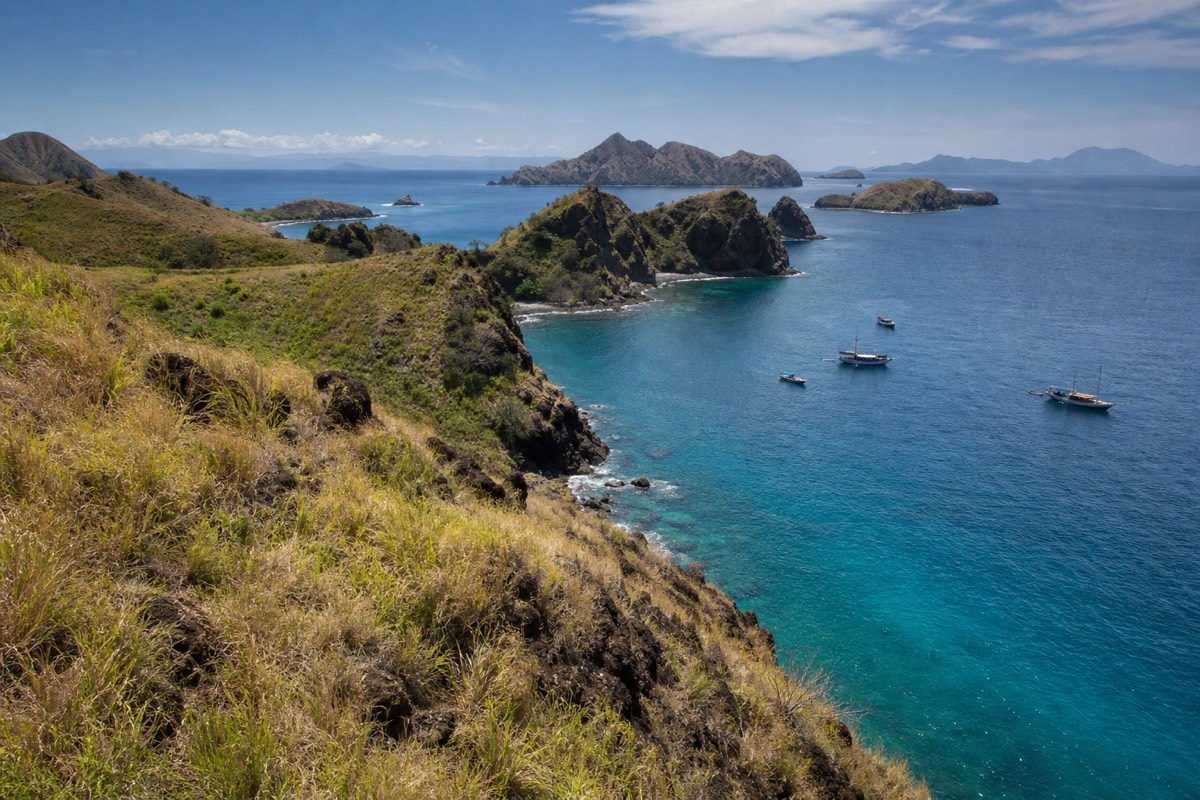
Manta Point's role as a cleaning station, rather than a feeding-dependent stop, is exactly why it remains a reasonably productive spot outside the July-September upwelling window, so a quiet day is the exception rather than the norm even off-season. If a particular snorkel pass comes up empty, most itineraries build in enough time at the stop for the guide to reposition the group once or circle back before moving on, and a manta miss at one stop doesn't reflect on the rest of the day's Padar, Pink Beach and dragon-walk stops, which don't depend on the same wildlife variability at all.
What's actually happening between the mantas and the cleaner fish at the station?
Small reef fish, cleaner wrasse among them, pick parasites and dead skin off a manta's body and gills in a genuine mutualistic relationship, food for the cleaner fish, parasite removal for the manta, which is precisely why mantas return to the same specific reef locations repeatedly rather than roaming freely and being encountered at random. This is a well-documented behavior across manta ray populations worldwide, not something unique to Komodo, but Manta Point happens to be an unusually accessible, shallow example of it that snorkelers can watch play out from the surface.
Understanding this mechanism also explains the etiquette guides enforce: approaching too closely or crowding the cleaning station disrupts the exact behavior that makes the encounter possible in the first place, a manta that feels harassed will abandon the cleaning pass and swim off, which is worse for everyone in the water, not just the manta.
How does boat etiquette among multiple operators actually work at a shared site like this?
Multiple boats from different operators regularly overlap at Manta Point on the same morning, and the informal but consistently followed etiquette is staggered entry, one boat's group in the water while others hold position nearby, rather than every boat's passengers entering at once and crowding the same patch of reef. Experienced guides communicate with each other on the water to manage this, which is part of why booking with an established operator, rather than the cheapest unknown option, tends to produce a smoother, less crowded encounter at popular shared sites like this one.
How long should you realistically expect to spend at Manta Point on a standard tour?
Most standard itineraries budget 30-45 minutes at Manta Point, enough time for a proper snorkel pass and a real chance at an encounter without letting one stop consume the whole day's schedule, since Padar, Pink Beach and the dragon walk are all competing for the same finite hours. Multi-day liveaboards sometimes allow a second pass at the site if the first one comes up quiet, a flexibility a single-day itinerary generally doesn't have room for.
| Format | Typical time at Manta Point |
|---|---|
| Day trip | 30-45 minutes, one of several stops |
| Liveaboard | Similar window, occasional second pass if quiet |
| Dedicated dive liveaboard (southern sites) | Multiple dedicated dives across the trip |
What's the honest bottom line for a traveler whose whole trip is built around seeing a manta ray?
Book any standard tour that lists Manta Point as a stop, since it's included on the large majority of itineraries on this site and across the park generally, and treat the July-September window as a bonus rather than a requirement. A manta encounter here is genuinely one of the more reliable wildlife moments in Southeast Asian travel, not a rare stroke of luck, which is exactly why it anchors nearly every Komodo tour's marketing and itinerary alike.
How does Manta Point stack up against the rest of the day's stops, in terms of what travelers remember most?
Ask repeat visitors which single moment of a Komodo day trip stayed with them longest and Manta Point comes up as often as the dragon walk itself, a genuinely surprising result for a "snorkel stop" competing against a wild apex predator on the same itinerary. That staying power is part of why this specific site anchors nearly every tour's marketing rather than being treated as a secondary add-on to the day's more obviously dramatic stops.
| Stop | How it's typically remembered |
|---|---|
| Manta Point | Close, sustained wildlife encounter |
| Komodo Island dragon walk | Dramatic, singular sighting |
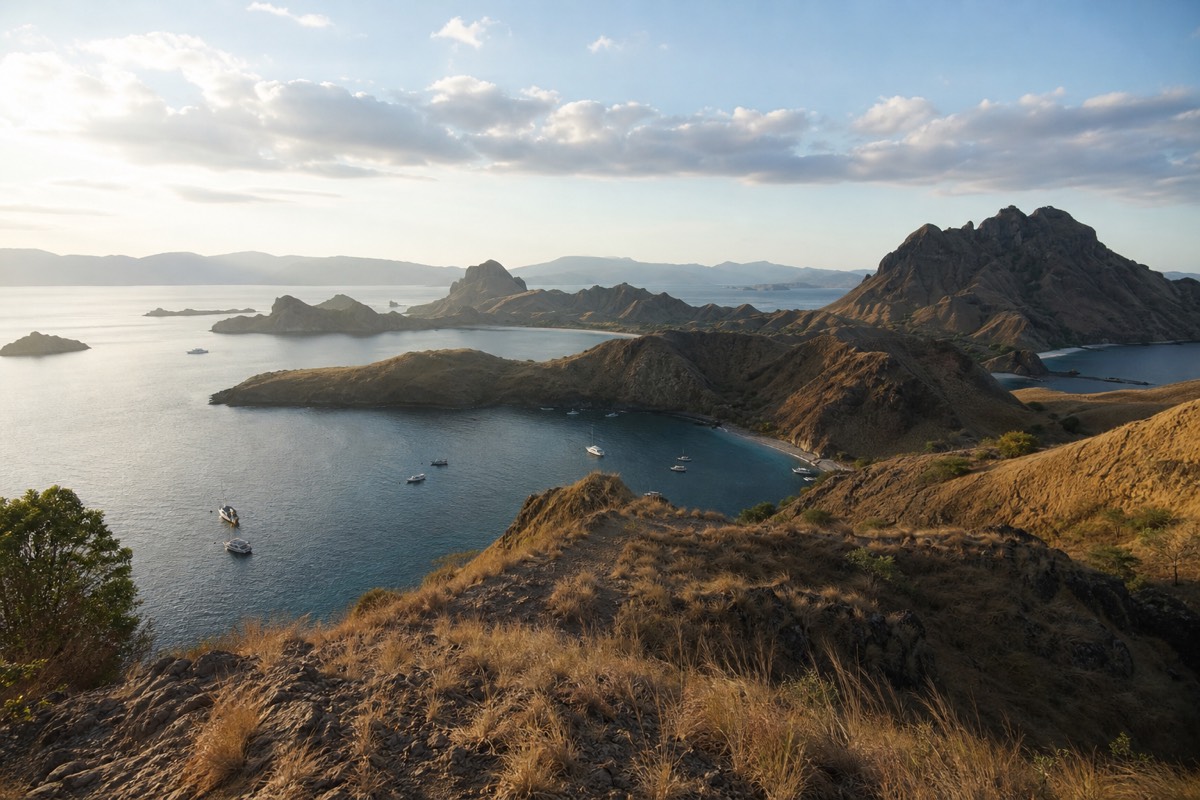
| Padar Island viewpoint | Landscape and photography highlight |
What's the honest closing summary for someone deciding purely on the strength of "will I see a manta ray"?
Book essentially any standard tour on this site or any reputable operator's equivalent, since Manta Point's inclusion is close to universal across Komodo itineraries, and treat the actual encounter as likely rather than uncertain, this is a cleaning station with a genuine track record, not a rare, luck-dependent sighting spot. If manta rays specifically are the reason you're considering this trip, that reason holds up well against the honest expectations this guide has laid out.
What should you actually check on a tour listing to confirm Manta Point is really included?
Look for "Manta Point" named explicitly in the stop list rather than a vague "snorkeling stop" description, since the specific name confirms the operator is routing through this exact site rather than a generic reef spot elsewhere in the park.
Final note: is this the single best manta encounter in Southeast Asia?
It's certainly among the more reliable and accessible ones, snorkel-friendly, no certification needed, a genuine cleaning-station encounter, which is a rarer combination than the region's diving-only manta sites offer.