Komodo vs Raja Ampat: Which Indonesian Dive Destination Is Right for You
They get mentioned in the same breath constantly, but Komodo and Raja Ampat are genuinely different trips, in access, cost, and what you're actually there to see.
Price note: fixed dollar amounts and totals in the editorial examples below are planning illustrations, not current quotes. Prices, child rates and private/shared options must be checked for your date and full party. The provider calendars and booking pages carry current offers.

Both names get thrown around as Indonesia's top dive-and-island destinations, often in the same sentence, sometimes as if they're interchangeable. They're not. One is built around a rare land animal and a set of dramatic, easily-reached islands; the other is built almost entirely around exceptional, harder-to-reach diving.
Booking Choice: Reach Padar, Pink Beach and a ranger-led dragon walk on an 11-hour group day trip. Explore Early-Departure Komodo Group Speedboat
Start: Labuan Bajo. Confirm age rules and extras before booking.
What's the core difference between Komodo and Raja Ampat?
Komodo combines a unique land-based wildlife encounter, wild Komodo dragons, with accessible island and marine attractions reachable on a single day trip; Raja Ampat is a more remote, dive-focused destination best known for what marine researchers consider the world's highest reef biodiversity, with less to offer travelers who aren't scuba diving. They both sit under the "Indonesia bucket-list island trip" umbrella, but they reward genuinely different priorities. See what Komodo itself is known for if you want the fuller picture before comparing.

| Factor | Komodo | Raja Ampat |
|---|---|---|
| Signature draw | Wild Komodo dragons | World-class reef biodiversity |
| Access from Bali | ~1-hour flight to Labuan Bajo | Longer flight to Sorong, plus boat transfer |
| Non-diver appeal | High: hiking, beaches, dragons, snorkeling | Lower: primarily built around diving |
| Typical trip length | 1-4 days works well | Usually a week or more given the travel time |
| Cost profile | More budget-accessible options | Generally pricier, given remoteness |
How does getting there actually compare?
Komodo is a roughly one-hour direct flight from Bali to Labuan Bajo's Komodo Airport; Raja Ampat typically requires a longer flight to Sorong in West Papua, followed by a boat transfer of an hour or more to reach most resorts or liveaboard departure points. In practice, that means Komodo fits comfortably into a shorter Indonesia itinerary, while Raja Ampat asks for a bigger travel commitment before you've even started the trip itself.

How does the diving actually compare?
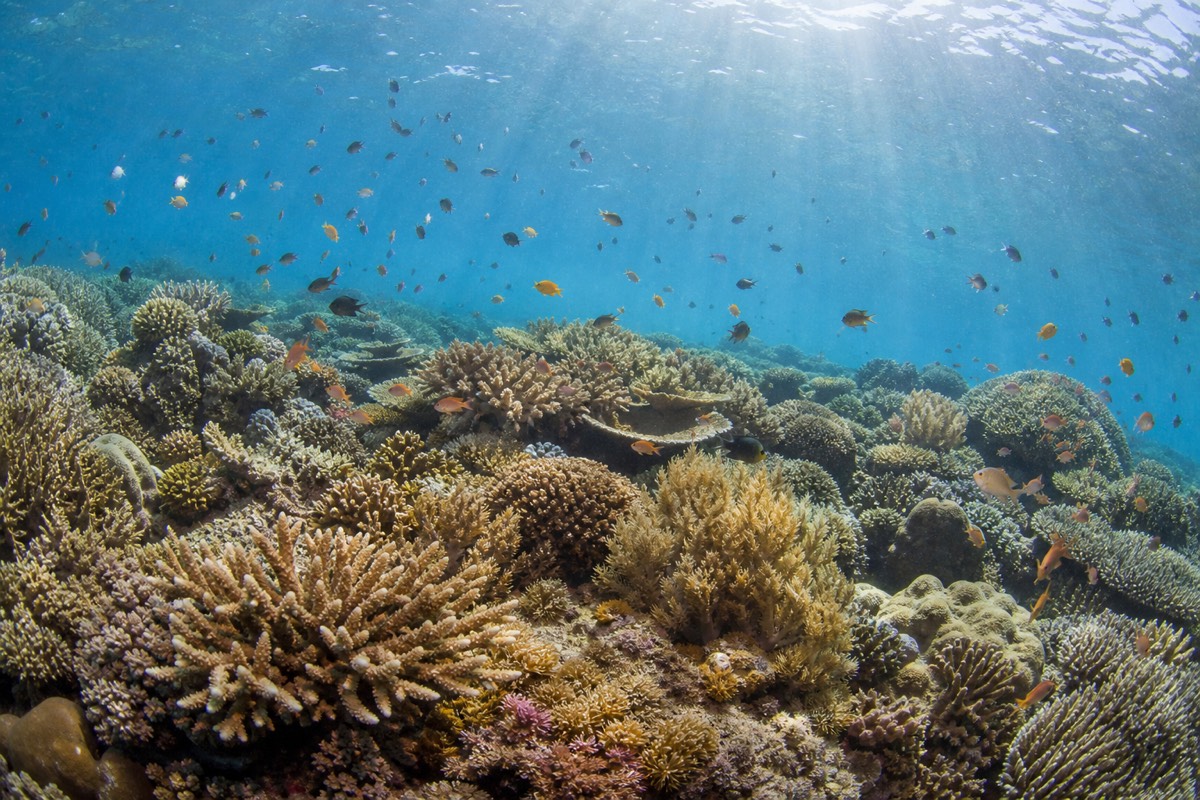
Raja Ampat is widely cited by marine researchers as having the highest coral reef biodiversity on Earth, with an enormous number of recorded fish and coral species; Komodo's diving is excellent and distinctive in its own right, built around a genuine north-south current split that produces both warm coral-wall diving and colder, current-driven macro diving in a single park. Serious dedicated divers chasing the absolute highest biodiversity numbers often lean toward Raja Ampat; divers who want strong diving alongside a broader, easier-to-reach trip often lean toward Komodo. See the Komodo dive sites guide for the specific named sites here.
What can Komodo offer that Raja Ampat structurally can't?
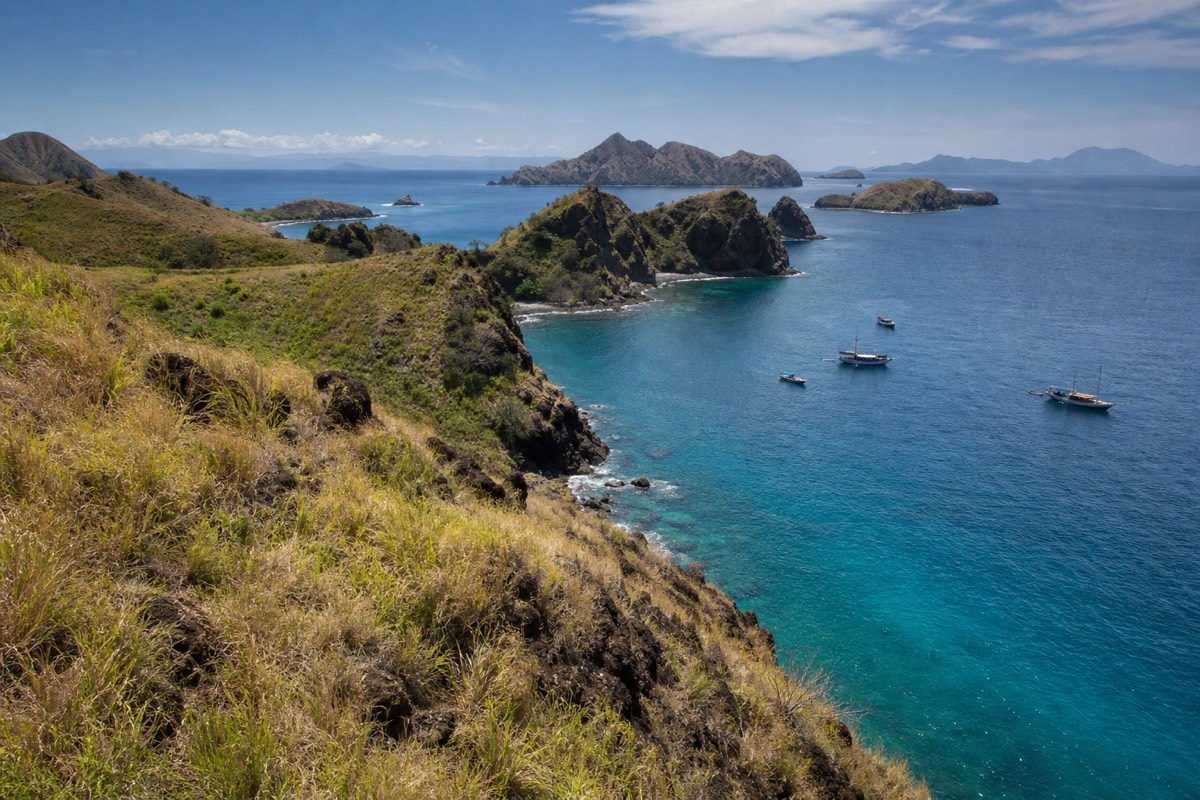
The Komodo dragon itself, a land-based apex predator found in the wild almost nowhere else on Earth, is the clearest point of difference, and it means Komodo works as a full trip even for travelers who never get in the water. Padar Island's hike and viewpoint is a similarly land-based, non-diving highlight that has no real Raja Ampat equivalent.

| What you want | Better fit |
|---|---|
| A land wildlife encounter unlike anywhere else | Komodo |
| The world's highest reef biodiversity for serious diving | Raja Ampat |
| A trip that works well for non-divers too | Komodo |
| A shorter, more budget-flexible Indonesia island trip | Komodo |
| A dedicated multi-day, diving-first liveaboard trip | Raja Ampat |
Should you pick one over the other, or try to do both?
Doing both in a single trip is possible but demanding, since the domestic flight connections between them add real time and cost, and most travelers with two weeks or less in Indonesia end up choosing one rather than splitting limited time across both. If diving depth and biodiversity are the priority and travel time isn't a major constraint, Raja Ampat is the stronger pick. If you want a shorter, more varied trip that works whether or not everyone in your group dives, or you specifically want the Komodo dragons, Komodo is the clearer choice, and the one every tour on this site is built around.
What about cost, realistically?
Komodo tends to be the more affordable of the two overall, both because the flights are shorter and cheaper and because the range of tour options spans budget open trips through to private charters. Raja Ampat's remoteness pushes most trips toward the pricier end, given the added flight and boat-transfer legs and the more limited lodging options in such a remote archipelago.

What does a realistic multi-day budget comparison actually look like?
A 3-day Komodo liveaboard starting around $259–$321 per person on this site's own listings sits well below what a comparable multi-day Raja Ampat liveaboard or resort stay typically runs, once the longer flight to Sorong and the boat transfer are factored into the total trip cost, not just the tour price itself. Treat these as a starting reference rather than a fixed quote for either destination, since both move with season and operator.
| Cost driver | Komodo | Raja Ampat |
|---|---|---|
| Flight from Bali | ~1 hour direct to Labuan Bajo | Longer flight to Sorong, then boat transfer |
| 3-day liveaboard, from | $259-321 per person | Generally higher, given remoteness |
| Lodging options | Wide range, budget to luxury | Fewer options, skews pricier |
What's the real logistics bottleneck for each destination?
Komodo's single bottleneck is the domestic flight to Labuan Bajo, a well-served route with multiple daily departures; Raja Ampat adds a second bottleneck on top of a longer flight, the boat transfer from Sorong to most resorts or liveaboard departure points, which depends on sea conditions and has less schedule flexibility than a flight does. That second leg is the main reason Raja Ampat trips need more built-in buffer time than a Komodo trip of similar length.
| Leg | Komodo | Raja Ampat |
|---|---|---|
| Flight from Bali | Direct, ~1 hour, multiple daily options | Longer flight, fewer daily options, via Sorong |
| Onward transfer | Short drive from airport to hotel/harbor | Boat transfer, an hour or more, weather-dependent |
| Total buffer recommended | Modest | More generous, given the extra leg |
Who should choose Raja Ampat over Komodo, honestly?
Certified divers whose top priority is the single highest reef biodiversity available anywhere, and who have a week or more and a bigger travel budget specifically allocated to diving, are the clearest fit for Raja Ampat over Komodo. Everyone else, travelers who want a shorter trip, a non-diving companion in the group, a tighter budget, or a land-based wildlife encounter alongside the water, gets more out of Komodo, which is exactly the traveler every tour on this site is built for.
How does trip planning flexibility actually differ between the two?
Komodo's short flight and dense tour-operator market mean a trip here can be booked and adjusted on relatively short notice, days rather than months, and itineraries can flex around weather or personal preference with a same-day or next-day alternative usually available. Raja Ampat's remoteness works against that kind of flexibility: fewer operators, less frequent transport, and a booking window that generally needs to be locked in well ahead, since last-minute changes are harder to accommodate when the nearest alternative departure point is a full flight-and-boat journey away.
| Factor | Komodo | Raja Ampat |
|---|---|---|
| Typical booking lead time | Days to a few weeks workable | Weeks to months generally recommended |
| Ease of last-minute changes | Higher, dense operator market | Lower, fewer alternatives nearby |
| Weather-flexibility of itinerary | Easier to adjust day to day | Harder, given remote logistics |
What does each destination actually deliver for a non-diving travel companion?
A non-diving partner or family member on a Komodo trip has a genuinely full itinerary of their own: the Padar hike, Pink Beach, the dragon walk, and manta snorkeling all require no certification, so nobody is left waiting on the boat while others dive. On a Raja Ampat trip built around a dive-focused liveaboard, a non-diver has a much thinner set of options, some surface time and limited snorkeling, but the destination's core appeal is genuinely structured around scuba diving in a way Komodo's isn't.
If you could only pick one Indonesian destination for a first trip, which wins on balance?
For a first-time visitor to eastern Indonesia without a dedicated, hardcore diving agenda, Komodo wins on balance: shorter access, lower cost, a genuine non-diving itinerary, and a land-based wildlife encounter unmatched anywhere else on Earth. Raja Ampat earns its reputation and rewards travelers who plan a trip specifically around it, but it asks for more time, more budget and more commitment to diving than most first-time visitors are ready to give, which is exactly the gap Komodo fills.
How much established tourism infrastructure and support exists at each destination?
Labuan Bajo has built a dense, competitive tourism market around Komodo over the past decade, English-speaking guides, a wide range of hotels, multiple daily flights and dozens of tour operators competing on the same routes, which makes first-time logistics genuinely straightforward; Raja Ampat's tourism infrastructure is real but thinner and more spread out, given its remoteness and smaller resident population base. That difference matters most for travelers without prior Indonesia experience, since Labuan Bajo's density of options gives more room to recover from a booking mistake or a last-minute change than a more remote destination with fewer alternatives nearby.
What do travelers who've genuinely done both actually say about sequencing them, rather than choosing?
Travelers with the time and budget for a longer Indonesia trip often report that doing Komodo first, as the shorter, more accessible introduction, then building toward Raja Ampat on a later or more dedicated diving-focused trip, works better than trying to force both into one compressed itinerary. That sequencing lets a first Indonesia trip stay manageable and varied, dragons, hiking, snorkeling, town time, while treating Raja Ampat as the reward trip once a traveler already knows they want to commit real time and budget specifically to serious diving.
How does the accommodation style actually differ between a Komodo trip and a Raja Ampat trip?
A Komodo trip is typically built around a hotel base in Labuan Bajo plus a boat tour or liveaboard, giving travelers the option to mix land comfort with time on the water; Raja Ampat trips lean more heavily on either a dedicated dive resort or a liveaboard for the full trip, with far fewer land-based hotel alternatives given how spread out and remote the archipelago is. That structural difference is part of why a Komodo trip feels more flexible to plan around a broader Indonesia itinerary, while a Raja Ampat trip tends to be booked as a single, fully-formed package rather than assembled piece by piece.
| Factor | Komodo | Raja Ampat |
|---|---|---|
| Typical base | Labuan Bajo hotel + boat tours | Dive resort or full liveaboard |
| Flexibility to mix land/water time | High | Lower, more package-based |
| Ease of adding to a wider Indonesia trip | High | Lower, needs dedicated time |
Does either destination have a stronger case for non-certified beginners who still want to try diving?
Komodo's operators, including the tours on this site, are built around no-certification snorkeling that still reaches manta rays and healthy reef, making it the easier on-ramp for someone curious about the underwater side of a trip without committing to a certification course beforehand. Raja Ampat can be visited by non-divers too, but its reputation and most of its dedicated infrastructure are built around serious scuba diving specifically, so a first-timer testing the waters, literally, gets a more naturally paced introduction through Komodo's snorkel-first model.
What's the honest closing take for a traveler comparing these two destinations right now?
Both are genuinely excellent, and neither is a consolation prize for skipping the other; they simply answer different questions. Komodo answers "where can I see a unique land predator, hike a dramatic viewpoint and snorkel with mantas, all in a short, budget-friendly trip," while Raja Ampat answers "where is the single best reef diving on the planet, if I have the time and budget to commit specifically to that." Most travelers reading a comparison guide like this one are closer to the first question, which is exactly why Komodo tends to win a first Indonesia trip.
What should you actually do next if Komodo is the answer for you?
Move on to the two guides that turn "Komodo, not Raja Ampat" into an actual booking: boat tour formats to pick a specific tour type, and best time to visit to settle on a travel window. Both are short reads and get you from "which destination" to "which specific tour" in a few minutes.
Does this comparison change at all for a second or third trip to Indonesia?
Returning visitors who've already done Komodo tend to be exactly the travelers ready for Raja Ampat's bigger commitment, since the first trip has already answered whether Indonesia's outer-island wildlife and diving appeal to them at all. That's a natural, common progression, Komodo as the accessible first step, Raja Ampat as the dedicated follow-up, rather than a sign either destination was the "wrong" first choice, and it's a pattern this site's own operators see repeat visitors follow often.
What's the very last thing worth remembering from this whole comparison?
Neither destination is a compromise choice, both are genuinely world-class in their own right, and the "versus" framing this guide uses is really about sequencing and fit, not about one being objectively superior to the other. Read it as a planning tool, not a ranking, and the right answer for your specific trip should already be clear.