Best Dive Sites in Komodo National Park
Komodo's reputation among divers rests on a short list of named sites, each with its own current, its own depth range and its own reason to go. Here's what separates them.
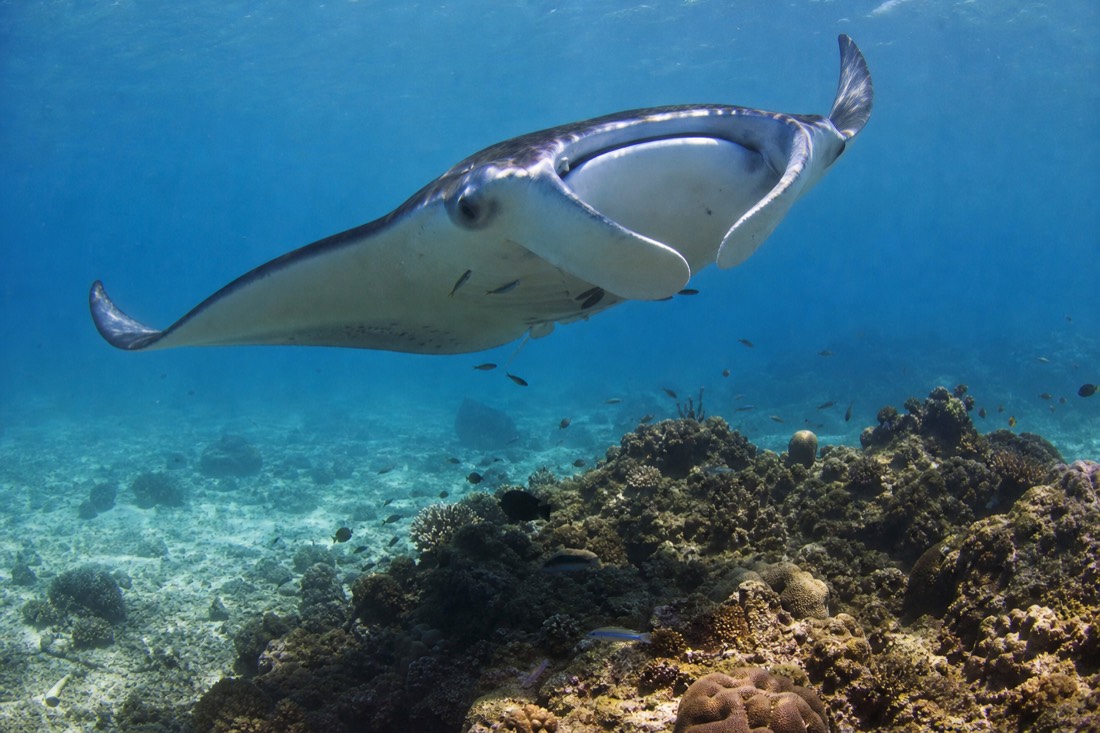
Komodo didn't build its diving reputation on one famous site. It built it on a cluster of named spots, each distinct enough that dive guides refer to them by name the way surfers refer to named breaks. Knowing which is which turns a generic "we went diving in Komodo" into an actual plan.
Booking Choice: Choose two introductory dives with instruction or three guided dives for certified divers. Explore Komodo Scuba Diving: Beginner Or Certified
Start: Labuan Bajo. Confirm age rules and extras before booking.
North vs South Komodo diving, at a glance
General characterization based on the park's well-documented north-south current and temperature split; conditions vary by day and season, so always defer to your dive guide's briefing.
Why is Komodo National Park such a well-known dive destination?
Komodo sits at the point where warm water from the Flores Sea to the north meets colder, nutrient-rich currents pushed up from the Indian Ocean and Sumba Strait to the south, and that single geographic fact produces two genuinely different diving experiences inside one park. The north is warmer, calmer and coral-wall-heavy. The south is colder, current-swept, and rich in the small, strange marine life divers call "muck" or macro subjects, plus some of the park's most reliable manta encounters.
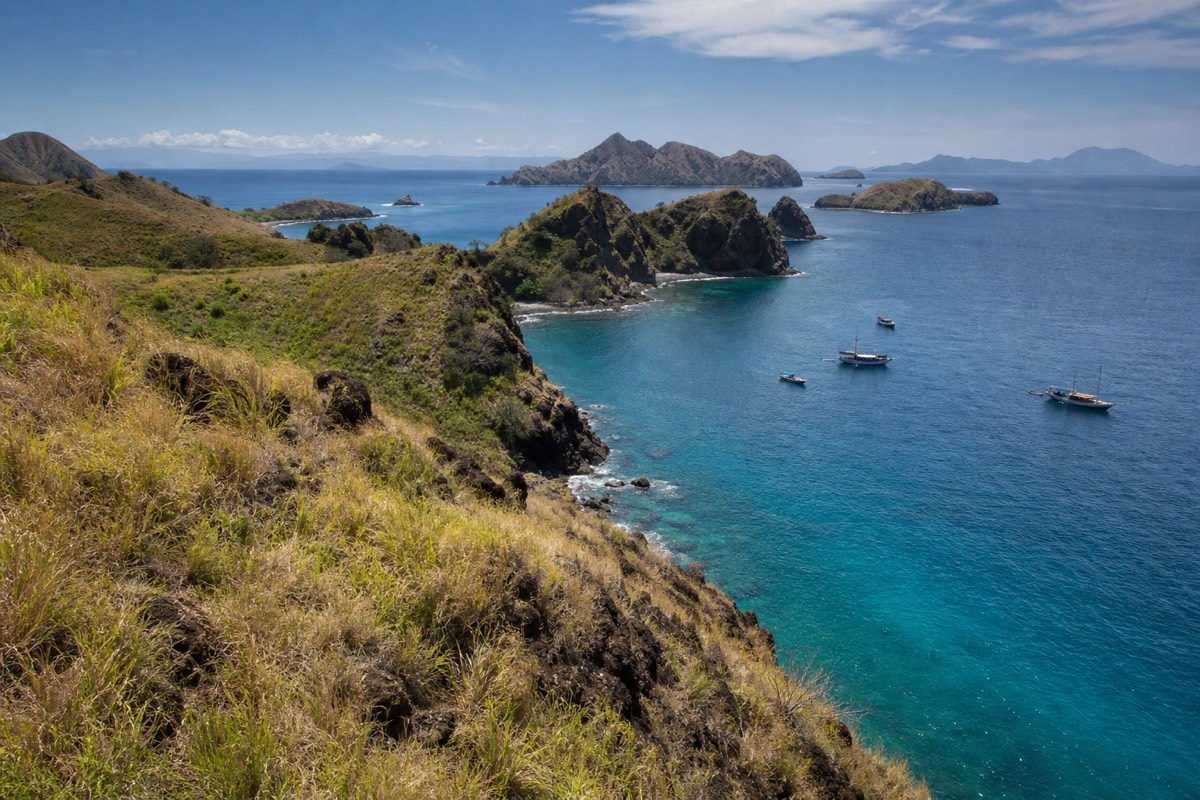
That range, combined with the park's protected status as a UNESCO World Heritage Site, is why Komodo shows up on most serious Indonesia dive itineraries alongside Raja Ampat rather than as an afterthought, and it's a big part of what the park is known for beyond the dragons. For divers weighing the two destinations directly, see the Komodo vs Raja Ampat comparison.
What are the standout dive sites in northern Komodo?
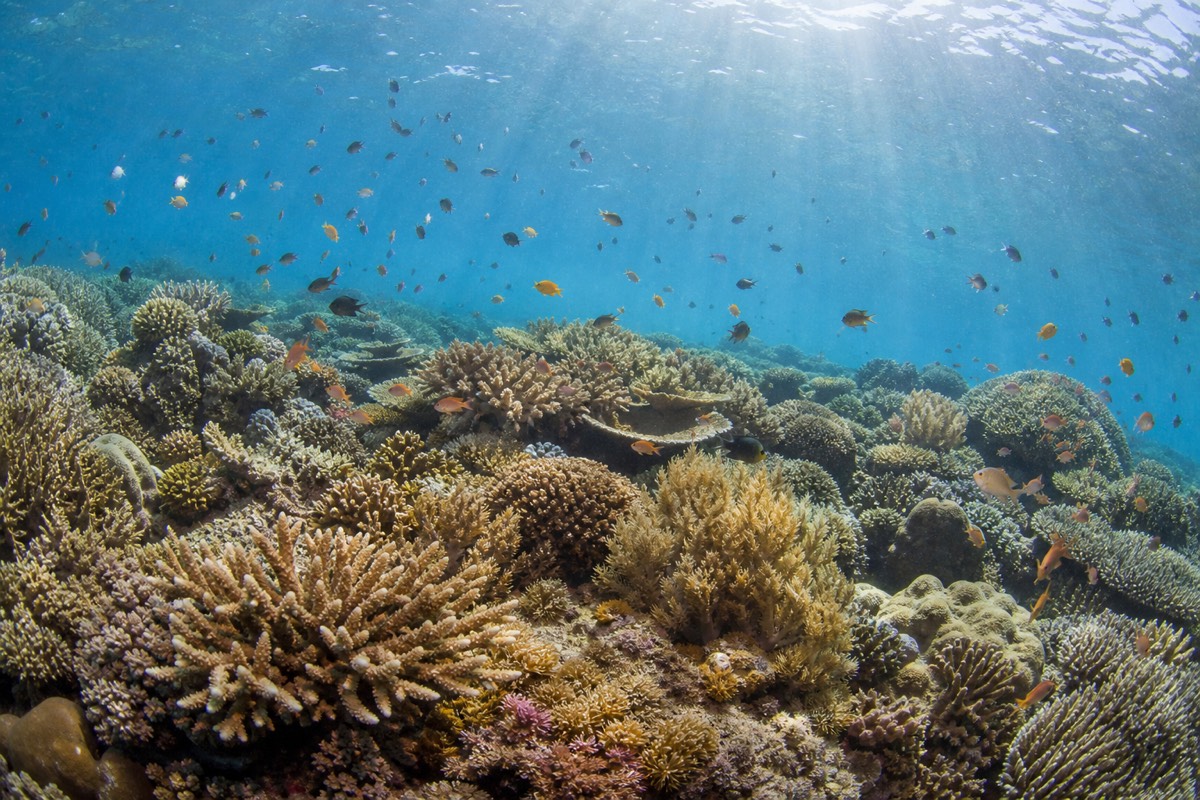
Batu Bolong is the site most divers mention first: a small rock pinnacle rising from deep water, wrapped in dense coral and swept by enough current to draw in reef sharks, big schooling fish and strong soft-coral growth. It's compact, current-dependent, and consistently rated among the park's best walls.
| Site | Character | Suits |
|---|---|---|
| Batu Bolong | Small pinnacle, dense coral wall, current-swept | Intermediate divers comfortable with current |
| Crystal Rock | Shallow reeftop, strong fish life, exposed to surge | Intermediate to advanced |
| Castle Rock | Similar profile to Crystal Rock, slightly deeper | Intermediate to advanced |
| Tatawa Besar / Tatawa Kecil | Gentle coral slopes, good visibility | Beginners, check dives, photographers |
| Golden Passage | Channel between islands, drift-friendly current | Intermediate divers who enjoy drift diving |
What are the standout dive sites in southern Komodo, near Rinca?
Cannibal Rock, near Rinca and Nusa Kode, is the south's signature site: colder water, softer coral cover in vivid color, and a reputation for macro life, nudibranchs, frogfish, ornate ghost pipefish, that draws underwater photographers specifically. The south generally trades warmth and visibility for biodiversity and current.
| Site | Character | Suits |
|---|---|---|
| Cannibal Rock | Cold, current-swept, dense soft coral, macro life | Photographers, experienced divers |
| Manta Alley (South) | Cleaning stations, reliable dry-season manta traffic | All levels for the snorkel layer; current for diving |
| Torpedo Point / Torpedo Alley | Sandy slopes, macro subjects, calmer than Cannibal Rock | Beginners to intermediate |
| Yellow Wall of Texas | Vivid yellow soft-coral wall, moderate current | Intermediate divers, wide-angle photographers |
The verified scuba day trip does not establish access to Cannibal Rock or Manta Alley, or a dedicated diving liveaboard. A snorkeling sailing package does not meet that requirement; confirm a specialist route before planning those dives.
Where does Manta Point fit into all of this?
Manta Point sits closer to the center of the park and is shallow enough that most operators sell it as a snorkel stop rather than a scuba site, which is exactly why it appears on nearly every day-trip and open-trip itinerary out of Labuan Bajo, including this site's full-day snorkeling tour. It's a natural cleaning station, so mantas circle in to be groomed by small cleaner fish, giving snorkelers and divers alike a good chance at a close, unhurried encounter.
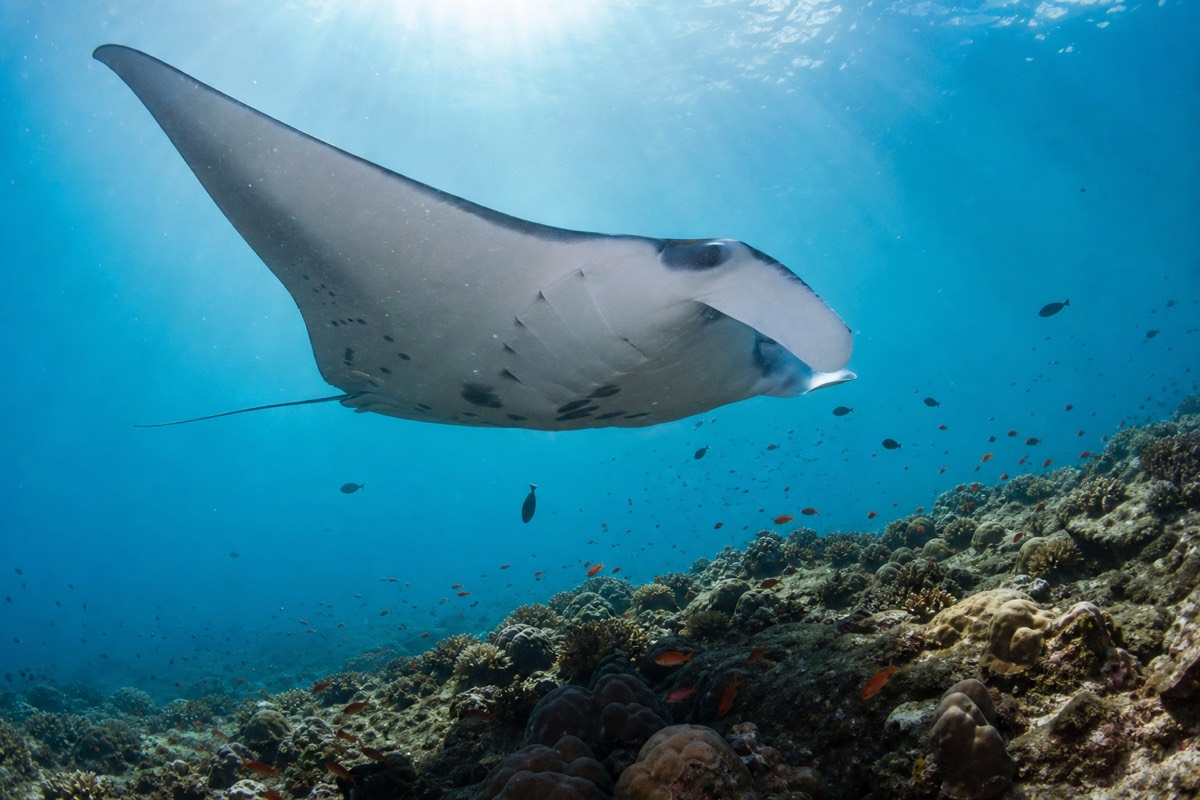
For the month-by-month detail on when the mantas are most reliably present, see the dedicated Manta Point season guide, since the pattern differs meaningfully between this central site and the southern "Manta Alley" sites.
How do you actually choose between these sites on a short trip?
You mostly don't, not directly. Day-trip and open-trip itineraries are built around fixed island stops, Padar, Pink Beach, Komodo Island, Manta Point, and the operator picks the snorkel or dive spot near each stop based on the day's conditions, sometimes adding one of the park's smaller named islands along the way. If you specifically want to dive named sites like Cannibal Rock or Crystal Rock rather than snorkel, you need a dedicated dive-focused liveaboard rather than a general sightseeing tour, since those sites sit further from the standard circuit and usually require deeper water and current-diving experience, which is one more factor in the day trip vs liveaboard decision.
| What you want | What to book |
|---|---|
| Snorkel with mantas, see the islands, no certification needed | A standard day trip or open-trip liveaboard |
| Scuba dive named sites like Cannibal Rock or Batu Bolong | A dedicated dive-operator liveaboard, booked separately |
| Photograph macro life (nudibranchs, frogfish) | South Komodo sites near Rinca on a dive-focused trip |
| See coral walls and reef sharks without deep certification | North Komodo sites (Batu Bolong, Tatawa) |
What does the water and visibility actually feel like at these sites?
Expect a noticeable temperature and visibility split between north and south: the north commonly runs warmer with better average visibility, while the south can be several degrees colder due to upwelling, with visibility that varies more day to day. Currents throughout the park can be strong and change direction with the tide, which is part of why an experienced local guide matters more here than at a typical calm-water reef.
| Factor | North Komodo | South Komodo |
|---|---|---|
| Typical feel | Warmer, coral-wall diving | Colder, macro and current diving |
| Current | Moderate, site-dependent | Often stronger, tide-driven |
| Best for | Beginners to intermediate, day trips | Experienced divers, liveaboards |
| Signature draw | Batu Bolong's coral wall | Cannibal Rock's macro life |
What should non-divers know if snorkeling is the plan instead?
Most travelers booking the tours on this site are snorkeling, not scuba diving, and that's genuinely enough to see Komodo's headline marine life: mantas at Manta Point, healthy reef around Pink Beach and Kanawa Island, and the general biodiversity that makes the park's waters distinct from a typical tropical reef, covered in full in the marine life and wildlife guide. A dedicated snorkeling spots guide covers exactly which stops to prioritize if diving certification isn't part of your trip.
What gear and preparation actually matter here?
Snorkel gear is included on every tour on this site, but bringing your own mask if you have a preferred fit is common advice from repeat visitors, since shared gear varies in quality. For anyone scuba diving the named sites above, a 3mm wetsuit is standard even in warm water, given the current and repeated exposure across a multi-day trip, and a dive computer plus surface marker buoy are expected safety gear for the drift-heavy sites in both the north and south of the park.
What certification level do these named sites actually require?
North Komodo's gentler sites, Tatawa Besar, Tatawa Kecil, suit an Open Water-level diver comfortable with light-to-moderate current; the more current-swept northern sites like Batu Bolong and Crystal Rock, and nearly all of the southern sites, are better suited to Advanced Open Water divers with genuine drift-diving experience. This isn't a park-enforced rule so much as practical advice from operators, since a diver who hasn't handled real current before can find sites like Cannibal Rock or Crystal Rock genuinely demanding rather than simply scenic.
| Site | Recommended level | Why |
|---|---|---|
| Tatawa Besar / Kecil | Open Water | Gentle slopes, manageable current |
| Batu Bolong | Advanced Open Water | Compact pinnacle, current-dependent |
| Crystal Rock / Castle Rock | Advanced Open Water | Exposed to surge and current |
| Cannibal Rock / southern sites | Advanced Open Water | Cold, current-swept, deeper |
| Manta Point (snorkel) | No certification needed | Shallow, surface-level encounter |
What does a typical dive-focused liveaboard day actually look like?
A dedicated dive liveaboard runs two to three dives a day, morning, midday and sometimes a late-afternoon dive, timed around slack or favorable current at each named site rather than a fixed clock schedule, with surface intervals aboard the boat between dives. This is a meaningfully different rhythm from a standard snorkeling day trip, which moves between islands on a fixed itinerary rather than around dive-specific tidal windows.
| Time | Typical activity |
|---|---|
| Early morning | First dive, timed for favorable current |
| Mid-morning | Surface interval, breakfast aboard |
| Midday | Second dive |
| Afternoon | Surface interval, possible third dive |
| Evening | Dinner, dive briefing for the next day |
The verified scuba day trip does not establish access to Cannibal Rock or Manta Alley, or a dedicated diving liveaboard. A snorkeling sailing package does not meet that requirement; confirm a specialist route before planning those dives.
What should a diver actually pack that a snorkeler on the same trip wouldn't need?
Beyond a 3mm wetsuit and standard mask/fins, divers on a Komodo liveaboard specifically benefit from a surface marker buoy for drift-heavy sites, a dive computer if you don't rent one from the operator, and a reef hook for current-swept sites like Batu Bolong where hovering in place to watch the action, rather than drifting past it, makes the difference between a good and a forgettable dive. None of this is exotic gear, but it's specific to diving named current sites rather than the general snorkeling kit covered elsewhere on this site.
| Item | Why it matters for these sites specifically |
|---|---|
| 3mm wetsuit | Repeated exposure across multi-day diving, plus cooler southern water |
| Surface marker buoy | Standard safety gear for drift-heavy named sites |
| Reef hook | Lets you hold position in current at sites like Batu Bolong |
| Dive computer | Track depth/time across a multi-dive day; rentable if you don't own one |
How does choosing a dive-focused liveaboard actually differ from booking one of this site's standard tours?
The full-day snorkeling tour and the other boat trips on this site are built around snorkeling and general sightseeing, which reaches Manta Point, Pink Beach and the shallower reef life comfortably, but doesn't include scuba diving the deeper named sites like Cannibal Rock or Crystal Rock covered throughout this guide. Divers who specifically want those named sites need to book with a dedicated dive operator running a diving-focused liveaboard, a different product from the general boat tours here, and it's worth being clear on that distinction before booking, since "diving in Komodo" and "a Komodo boat tour" aren't automatically the same trip.
The verified scuba day trip does not establish access to Cannibal Rock or Manta Alley, or a dedicated diving liveaboard. A snorkeling sailing package does not meet that requirement; confirm a specialist route before planning those dives.
How does water temperature actually vary between the sites, and does it matter for wetsuit choice?
Northern sites run noticeably warmer year-round thanks to the Flores Sea influence, while the southern upwelling zone can run several degrees colder even in the same season, cold enough that a 3mm wetsuit, sometimes layered with a hood for longer or repeated dives, is standard advice even for divers used to warm-water diving elsewhere in Southeast Asia. Underestimating the southern temperature drop is a common first-time-in-Komodo surprise for divers who've only dived warmer regional waters before and packed a thinner suit expecting uniformly tropical conditions throughout the trip.
| Region | Typical water feel | Suggested exposure protection |
|---|---|---|
| North Komodo | Warmer, tropical | 3mm wetsuit generally sufficient |
| South Komodo (upwelling zone) | Noticeably colder | 3mm wetsuit plus hood recommended for repeated dives |
What's the honest recommendation for a diver planning their first Komodo trip?
Start north if it's genuinely your first time diving these waters, Batu Bolong and the Tatawa sites deliver a strong, accessible introduction to what makes Komodo distinctive without demanding advanced current-diving experience straight away, then build toward the south's Cannibal Rock and the deeper macro sites once you've got a feel for how the park's current behaves. Divers who try to do everything, both ends of the park, on a short trip often end up rushing the exact sites, the ones with real current and colder water, that reward a slower, more deliberate approach the most.
What's the one thing that surprises experienced divers most about Komodo specifically?
Not the coral, and not even the current, it's the range: diving north and south sites within the same trip can feel like two different countries' worth of diving, warm coral walls one day, cold macro-rich current dives the next, packed into a single park most divers initially expect to be more uniform. That range is the real headline of Komodo diving once you've actually done it, more than any single named site on its own.
What should a diver planning a trip around this guide actually do next?
Book with a dedicated dive operator for the named sites covered throughout this guide, or, if snorkeling the park's shallower highlights fits your trip better, the full-day snorkeling tour from Labuan Bajo covers Manta Point and the accessible reef life without needing certification. Either path delivers a real Komodo underwater experience; the choice comes down to whether the named current sites specifically are worth a dedicated trip for you.