Komodo Day Trip vs Liveaboard: Which Should You Choose
This is the one decision that shapes everything else about a Komodo trip: how many nights, if any, you spend sleeping on the water.
Price note: fixed dollar amounts and totals in the editorial examples below are planning illustrations, not current quotes. Prices, child rates and private/shared options must be checked for your date and full party. The provider calendars and booking pages carry current offers.
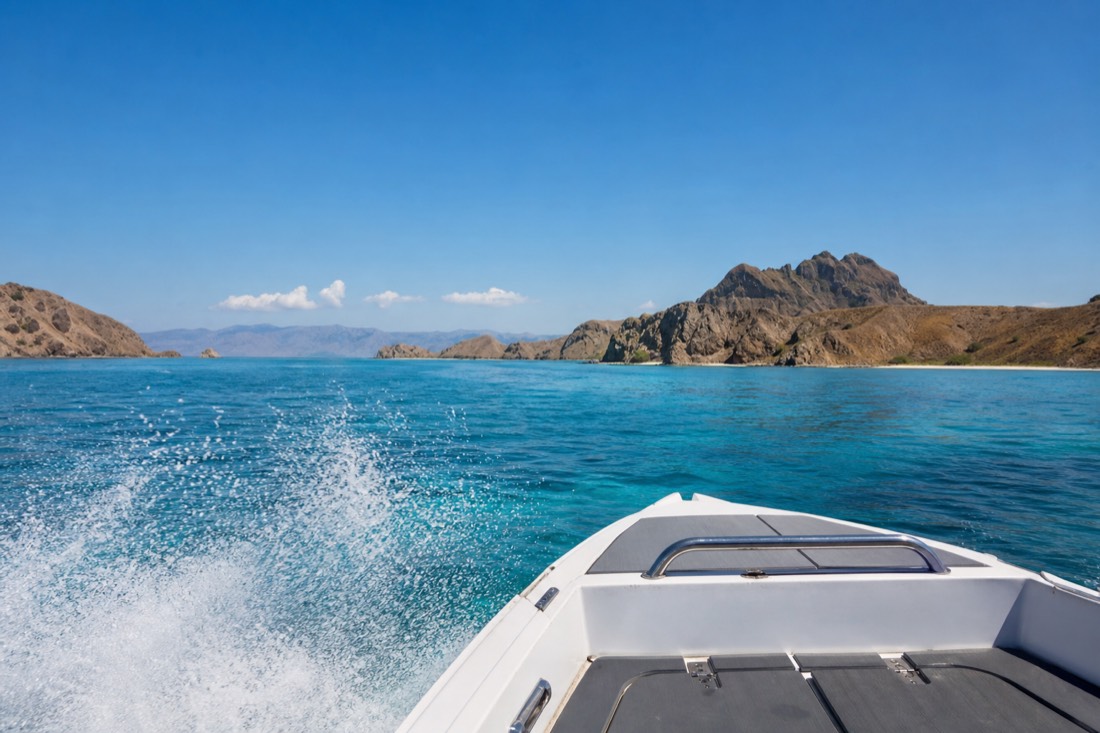
Every Komodo planning conversation eventually comes down to this fork: one long day, or multiple nights on the water. Both formats reach the same park. They don't deliver the same trip.
Booking Choice: Reach Padar, Pink Beach and a ranger-led dragon walk on an 11-hour group day trip. Explore Early-Departure Komodo Group Speedboat
Start: Labuan Bajo. Confirm age rules and extras before booking.
What's the core tradeoff between a day trip and a liveaboard?
Kalong is visited at sunset. Dedicated afternoon and private sunset trips return to Labuan Bajo the same evening, so an overnight stay is not required. Multi-day boats can include it too; check that Kalong is named on the chosen itinerary.
| Factor | Day trip | Liveaboard (2D1N+) |
|---|---|---|
| Time commitment | 1 day | 2+ days, including nights aboard |
| Pace at each stop | Faster, more compressed | More relaxed, more time per stop |
| Kalong Island bat sunset | Not included | Included on most overnight itineraries |
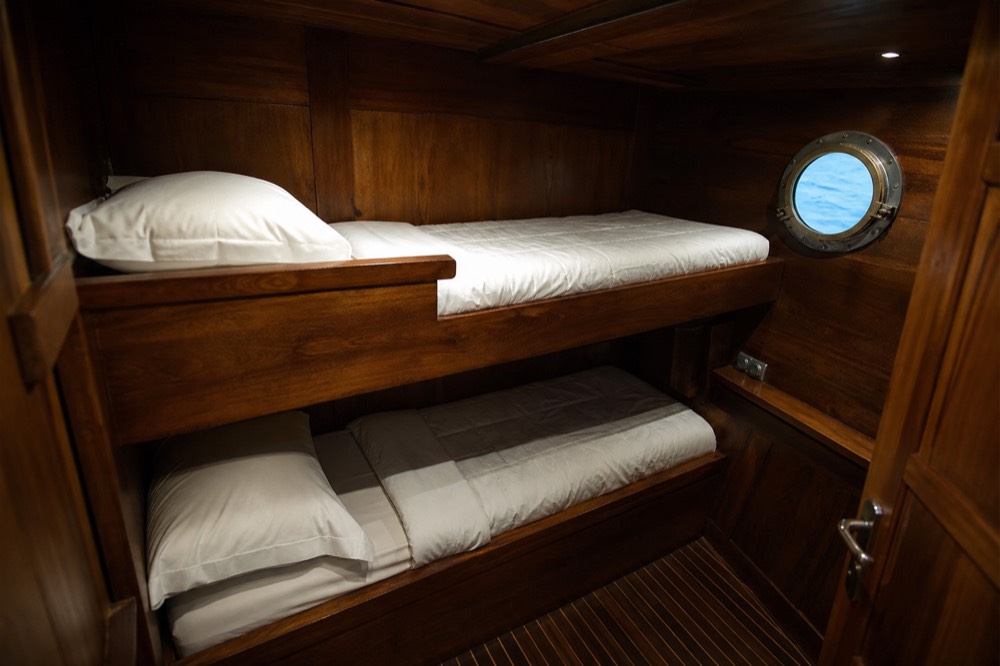
| Overnight commitment | None, return to your hotel | Shared or private cabin aboard |
| Starting price | ~$119-131 per person | ~$184-321 per person |
What do you actually see and miss on each format?
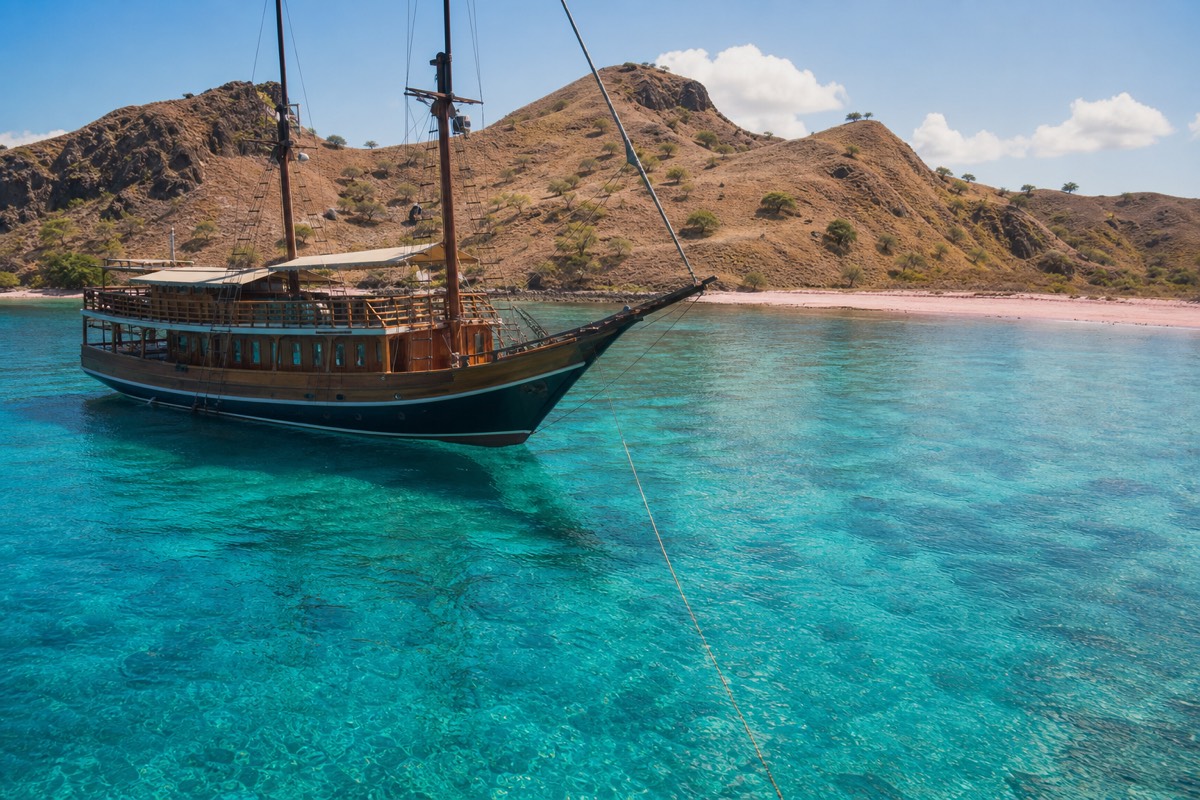
Both formats cover Padar Island, Pink Beach, a Komodo dragon walk and manta snorkeling; the liveaboard adds Kalong Island's flying-fox sunset and generally more relaxed time at each stop, while the day trip fits everything into a single compressed window with an earlier or later boat home.
| Stop | Day trip | Liveaboard |
|---|---|---|
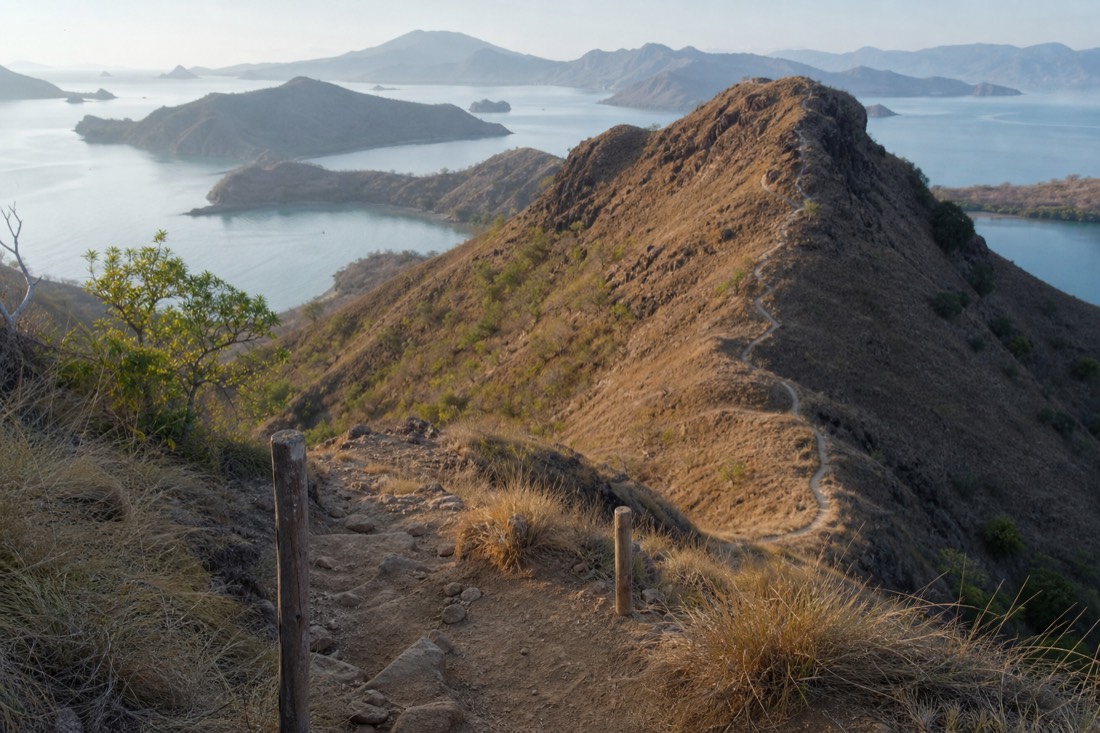
| Padar Island viewpoint | Yes, standard stop | Yes, often at sunrise for a better experience |
| Pink Beach | Yes | Yes, usually with more relaxed time |
| Komodo Island dragons | Yes | Yes |
| Manta Point snorkeling | Yes | Yes |
| Kalong Island bat flight | Dedicated sunset trip or an overnight route that names Kalong | Yes, standard on most itineraries |
| Rinca Island (second dragon site) | No | The verified three-day Rinca and Komodo route includes both |
How does the cost actually break down per extra day?
Moving from a day trip to a 2D1N open trip costs roughly 50% more per person on this site's listings; moving to a 3D2N liveaboard roughly doubles the day-trip price, largely because you're now paying for onboard accommodation and additional meals, not just more boat time. Whether that's worth it depends on how much you value the additional stops and the more relaxed pace, since the marine park entrance fee is a separate cash cost either way.
| Tour | Duration | From (per person) |
|---|---|---|
| Full-day snorkeling tour | 10 hours | $119 |
| Pink Beach 2D1N open trip | 2 days | $184 |
| 3-day Phinisi sailing trip | 3 days | $259 |
Which format handles seasickness and comfort better?
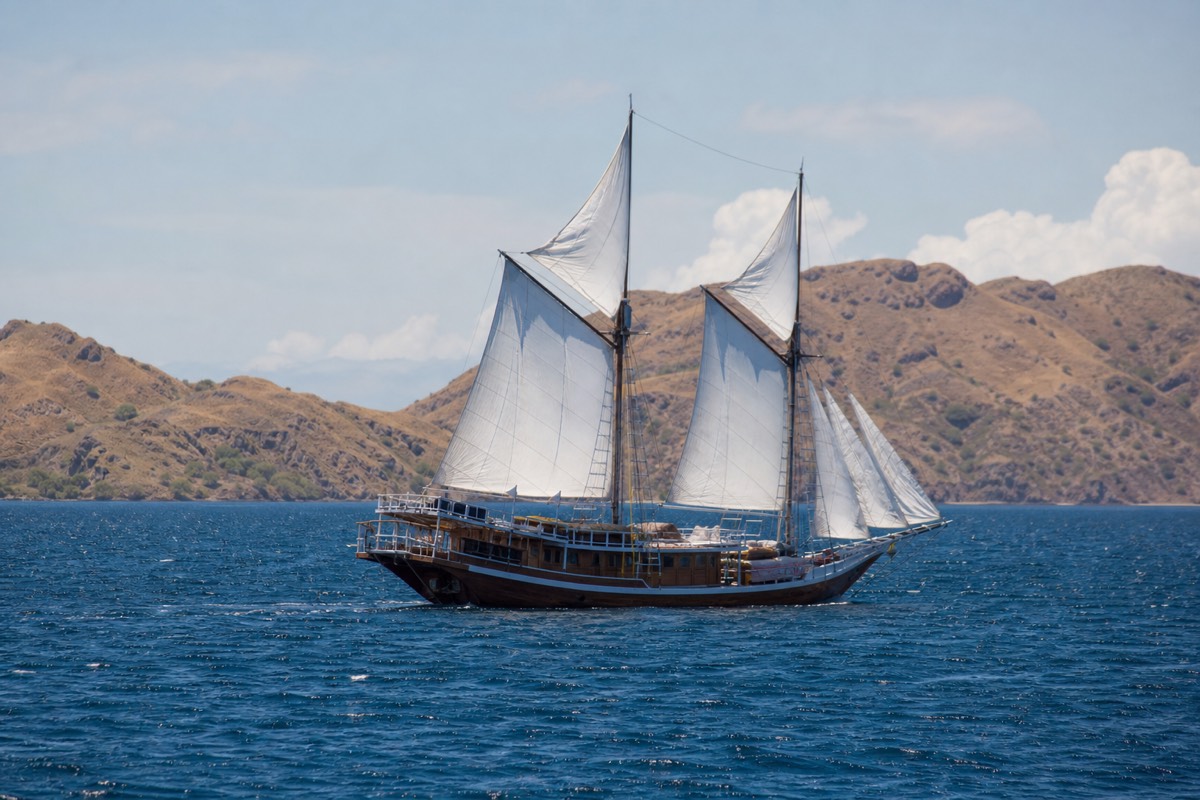
A Phinisi liveaboard's larger, heavier wooden hull generally rides more smoothly through chop than a fast open speedboat, which matters if seasickness is a real concern for you or anyone in your group. That said, neither format eliminates open-water time entirely, and preventative medication taken ahead of departure is standard advice regardless of which you choose.
Which format suits which kind of traveler?
| Situation | Better fit |
|---|---|
| Only one day available | Day trip |
| Want the Kalong Island bat sunset | Dedicated sunset trip or an overnight route that names Kalong |
| Tight budget, limited time | Day trip |
| Want a slower, more relaxed pace | Liveaboard |
| Traveling solo, want a social trip | Open-trip liveaboard |
| Prone to seasickness | Confirm suitability directly; the verified three-day Phinisi excludes this need |
Is there a middle-ground option?
Yes: a 2D1N open trip is often described by repeat visitors as the practical middle ground, long enough to add the Kalong Island sunset cruise and a more relaxed pace, short enough to keep the cost and time commitment close to a day trip. If you're still unsure how many total days to allocate once you include Labuan Bajo itself, the itinerary length guide walks through full trip planning, not just the boat-tour portion, and the best time to visit guide covers how season affects this choice too.
What does the actual hour-by-hour schedule look like on each format?
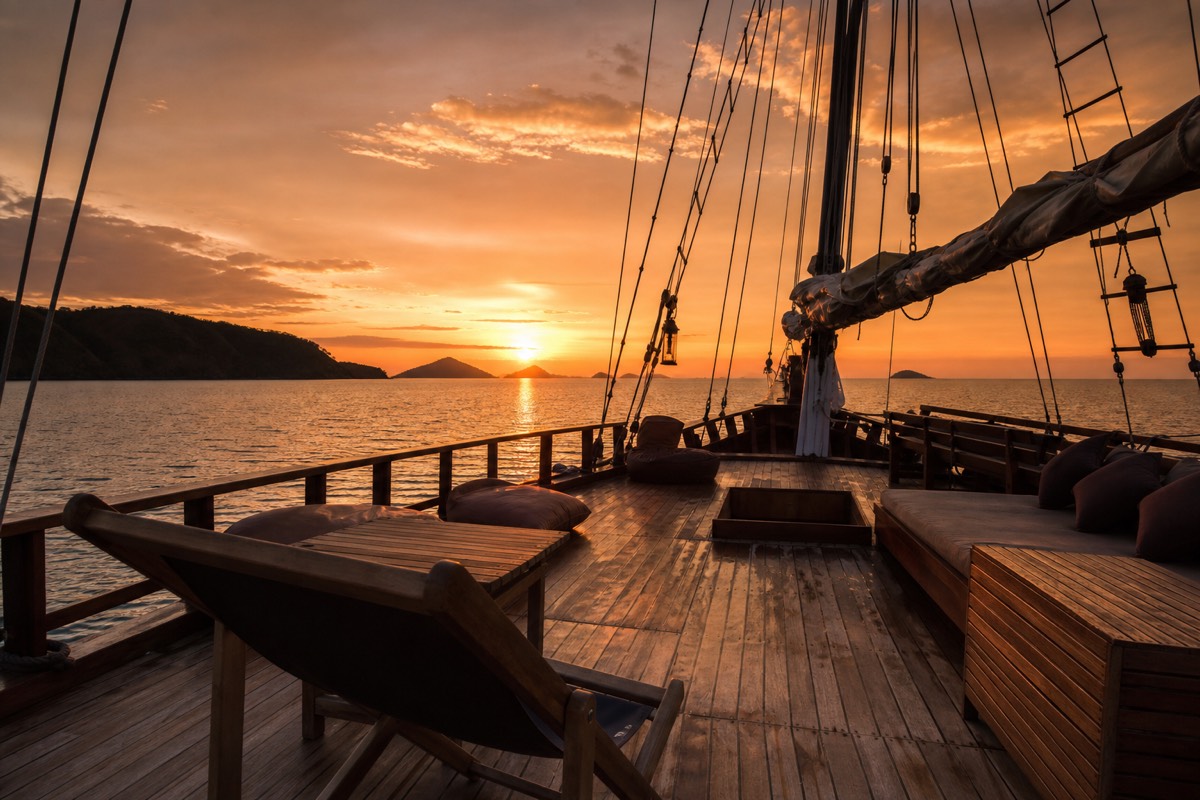
A day trip runs a single tight loop, departure before or around sunrise, four to five stops packed into 9-11 hours, and a return to your hotel the same evening; a liveaboard spreads a similar or larger stop list across two or more mornings, with the boat itself as your hotel in between. The difference isn't just duration, it's what happens to your evenings: on a day trip, every evening is back on land; on a liveaboard, evenings happen on deck, at anchor, watching the sky change over water most day-trip guests never see after dark.
| Time | Day trip | 2D1N liveaboard |
|---|---|---|
| Early morning | Departure, first stop (Padar) | Departure, first stop (Kelor or Padar) |
| Midday | Second/third stop, lunch aboard | Dragon walk or reef stop, lunch aboard |
| Afternoon | Final stop, begin return crossing | Pink Beach or reef stop, unhurried |
| Evening | Back in Labuan Bajo for dinner | Kalong Island bat-flight sunset, dinner aboard |
| Overnight | Hotel | Anchored cabin aboard the boat |
What's the real bottleneck at the harbor on departure morning?
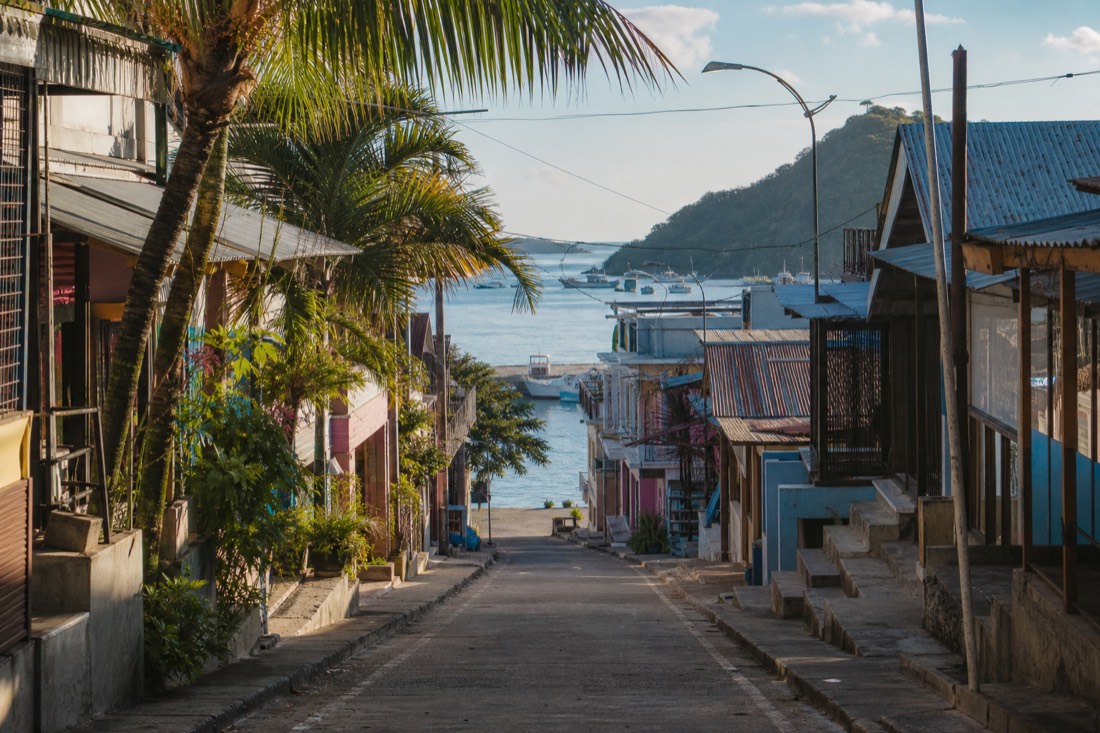
Both formats leave from the same general harbor area at similar early hours, so the practical crunch is less about which format you chose and more about how many boats are loading gear and passengers in the same narrow window. Liveaboard departures tend to take a little longer at the dock, since luggage and multi-day provisions are being loaded alongside passengers, while day-trip speedboats load faster and pull out sooner. Staying close to the harbor, covered in the where to stay guide, matters for both formats but especially for an early-bird day trip with the tightest departure window.
Who should specifically avoid committing to a multi-night liveaboard?
Anyone with a fixed same-day or next-day flight out of Labuan Bajo with little buffer should lean toward a day trip or a short 2D1N trip rather than a longer liveaboard, since weather-related schedule shifts, while uncommon, are a real possibility on multi-night water trips. The same goes for travelers who know they sleep poorly on boats or genuinely dislike shared spaces; a day trip removes that variable entirely by returning you to a normal hotel bed every night. Neither preference means missing out on the park's core experience, since a well-run day trip still delivers dragons, Padar and the beach in a single outing.
How does the food and meal experience actually differ between the two formats?
A day trip typically serves a boxed or plated lunch aboard the boat between stops, functional rather than elaborate, since the day's schedule doesn't allow for a leisurely sit-down meal; a liveaboard builds proper meal service into the itinerary, breakfast, lunch and dinner aboard, often with the crew cooking fresh on a small galley and serving family-style on deck. Neither format leaves you hungry, but the liveaboard meal experience is a genuine part of the trip's appeal for many travelers, not just a logistics detail.
| Meal aspect | Day trip | Liveaboard |
|---|---|---|
| Lunch style | Boxed or plated, eaten between stops | Cooked aboard, sit-down, often family-style |
| Breakfast/dinner | Not applicable (single day) | Included, served aboard |
| Dietary requests | Flag with operator in advance | Flag with operator in advance; easier to accommodate over multiple meals |
| Drinking water | Bottled water included | Bottled water included, replenished daily |
How does the group size and social dynamic actually differ?
Day-trip boats tend to run larger groups, since the fixed schedule and single-day format make it efficient to fill a bigger vessel; open-trip liveaboards run smaller, since cabin count caps the group and the multi-day format naturally creates a more social, get-to-know-your-boatmates dynamic that a single day rarely has time for. Solo travelers in particular tend to describe the liveaboard dynamic as a real plus, meals and evenings on deck become a shared experience rather than a solitary one.
Private charters flip this entirely: your group is the only group, on a boat sized to your party, with no social mixing beyond who you brought. That's the right call for families wanting privacy or larger groups who'd rather not split cost-sharing logic with strangers, but it's worth knowing you're trading away the built-in social layer that makes open trips appealing to many solo and small-group travelers.
How does packing and luggage logistics actually differ between the two formats?
A day trip needs almost nothing beyond a small day bag, swimwear, sun protection, cash, since your main luggage stays at your hotel; a liveaboard means bringing everything you'll need for multiple nights aboard a boat with limited storage, which changes the packing calculation meaningfully. Soft-sided bags pack more easily into a Phinisi's below-deck storage than a rigid suitcase, and most operators advise leaving anything you don't need for the water portion of your trip at your hotel in Labuan Bajo rather than hauling a full suitcase aboard.
| Format | What to actually bring |
|---|---|
| Day trip | Small day bag: swimwear, sunscreen, cash, camera |
| Liveaboard | Soft-sided bag, multi-day clothing, light jacket, dry bag, toiletries |
Most hotels in Labuan Bajo are used to guests leaving a bag in storage while they're aboard a liveaboard, which is worth arranging directly with your hotel rather than assuming it's automatic.
How does cancellation and rebooking flexibility differ between the two?
Day trips, being single-day commitments, are generally easier to reschedule on short notice if weather or plans change, since swapping to another day trip departure involves less coordination than rebooking a multi-night liveaboard's fixed cabin and crew schedule. Open-trip liveaboards depend on a minimum group size to run at all, so a specific date can occasionally shift or combine with a nearby departure if bookings are light, something worth asking your operator about directly if your travel dates are otherwise fixed. Both formats on this site's listings carry the free-cancellation windows shown on the live GetYourGuide or Viator listing, which is the definitive source for your specific booking's terms.
How does each format handle a bad-weather day differently?
A day trip caught in poor weather has limited options, the operator either runs a modified version of the same day or reschedules the whole thing; a multi-day liveaboard has more built-in flexibility, since a rough morning can simply shift that day's activities later or swap the order of stops without losing the trip entirely. This built-in slack is one of the less-discussed advantages of the longer format: weather that would force a full reschedule on a single-day trip often just becomes a minor itinerary adjustment on a liveaboard.
| Format | Weather-day flexibility |
|---|---|
| Day trip | Limited; may need to reschedule the whole day |
| Liveaboard | Higher; stops can shift order or timing within the trip |
What's the single clearest signal that you should upgrade from a day trip to a liveaboard?
If you catch yourself checking whether Kalong Island's sunset bat flight can somehow fit into a single-day itinerary, it can't, that's the clearest practical signal a liveaboard is the format you actually want, since that one experience structurally requires overnight timing no day trip can offer regardless of how it's scheduled.
Do most travelers actually regret picking the "wrong" format, in practice?
Genuine regret is rare either direction: day-trip travelers who wish they'd booked longer describe it as wanting more of a good thing rather than feeling shortchanged, and liveaboard travelers rarely describe the extra time and cost as wasted, since the pacing itself is part of what they paid for. The bigger, more common regret pattern isn't format choice at all, it's poor scheduling around the trip, no buffer day, an underestimated Padar hike, which this guide and its sibling planning guides are built specifically to help you avoid.
If budget were genuinely no object, which format would most experienced Komodo travelers actually pick?
A 3D2N or 4D3N private charter tends to top this list among travelers who've already done a standard day trip or open trip and know exactly what they want more of: full control over pace and stops, no shared cabin, and the ability to linger at a favorite spot like Manta Point or Padar's summit without a fixed group schedule dictating the day. It's worth knowing this preference exists mainly as context, most travelers reading a comparison guide like this one are optimizing for value and time, not an unlimited budget, and the standard formats covered throughout this guide deliver excellent value at every price point.
What's the next step once you've picked a format from this guide?
Go straight to the full-day snorkeling tour or the 2D1N shared boat, check current dates, and confirm them against your flight schedule before booking.
One final note: does this choice lock you out of trying the other format later?
Not at all. Plenty of travelers do a day trip on a first visit and a liveaboard on a return trip, or the reverse; nothing about picking one format now closes off the other for a future Komodo visit.