Pink Beach Komodo: Is It Worth It and How to Get There
Pink Beach photographs well because the color is real, not filtered. Whether the trip out there is worth it depends on what else is on your itinerary that day.
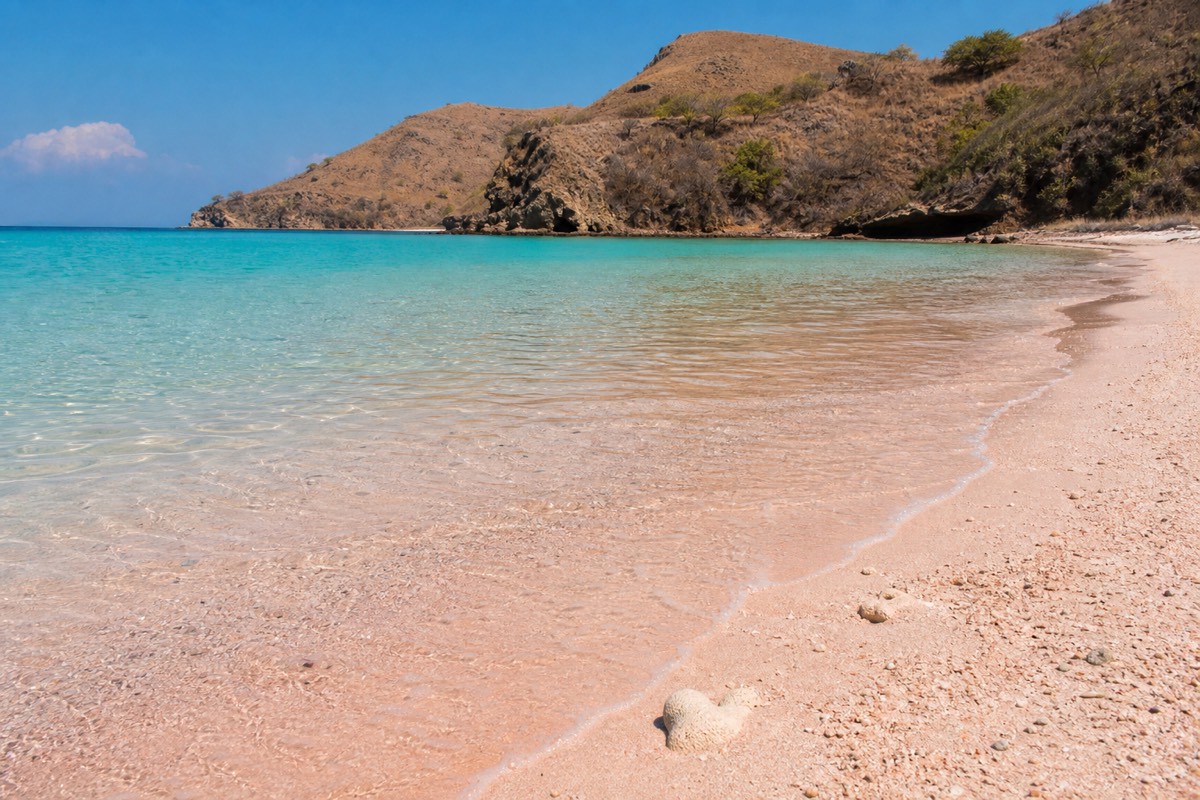
Pink Beach shows up in nearly every Komodo tour photo for a reason: the color is real. What's less obvious from the pictures is that it's not a standalone destination. It's one stop on a boat itinerary, and how much you get out of it depends on the rest of that day.
Booking Choice: Reach Padar, Pink Beach and a ranger-led dragon walk on an 11-hour group day trip. Explore Early-Departure Komodo Group Speedboat
Start: Labuan Bajo. Confirm age rules and extras before booking.
Is Pink Beach's sand really pink?
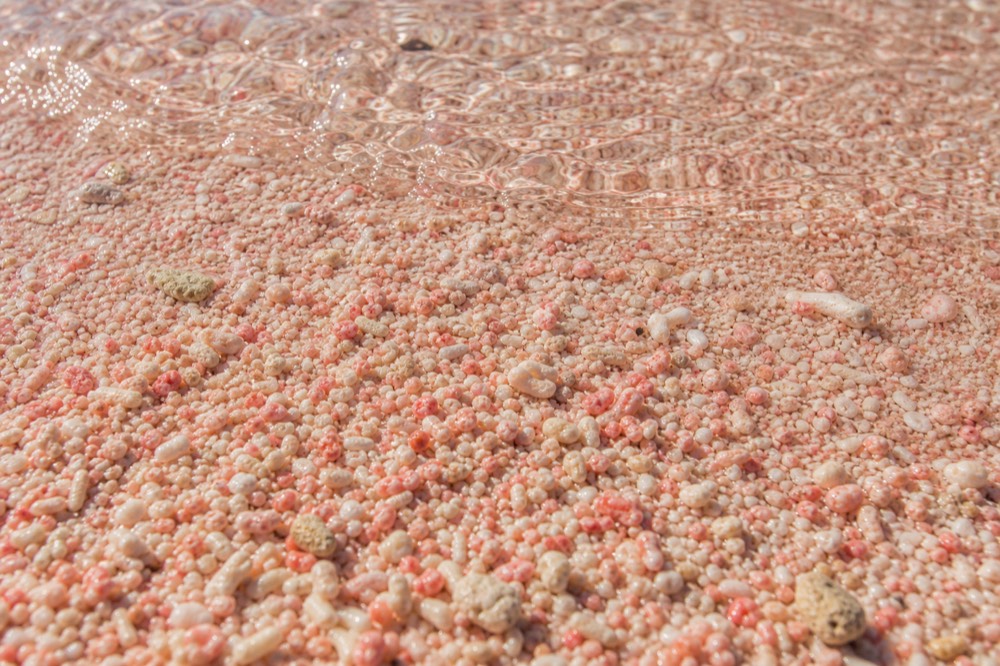
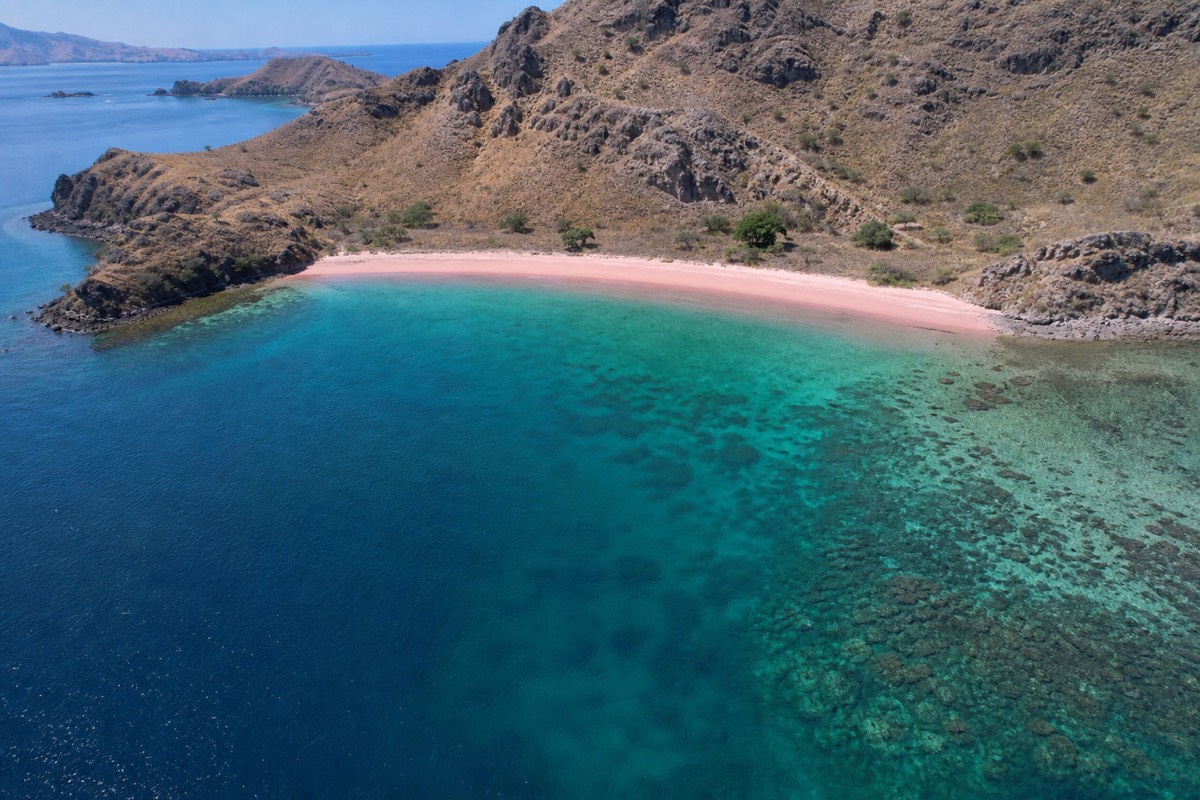
Yes, genuinely, though the shade is closer to a warm blush than the saturated pink some photos suggest. The color comes from Foraminifera, microscopic organisms with red shells, and fragments of red and pink coral that wave action grinds down and mixes into the white sand. It's most visible when the sand is wet, right at the waterline, and less obvious higher up the beach where it's dried out.
Where is Pink Beach, and how do you actually get there?
Pink Beach sits inside Komodo National Park, and the only way to reach it is by boat from Labuan Bajo, as part of a tour, there's no independent road or ferry access. It appears as a stop on the vast majority of Komodo itineraries, from single-day speedboat trips to multi-night liveaboards, typically sequenced alongside Padar Island and Komodo Island on the same day or trip.
| How you're getting there | Typical time at Pink Beach |
|---|---|
| Day trip / early-bird speedboat | 45-60 minutes, one of several stops |
| 2D1N open trip | Similar window, less rushed pacing overall |
| 3D2N+ liveaboard | Often more relaxed, sometimes a second pass if timing allows |
Is Pink Beach actually worth visiting?
For most travelers on a Komodo itinerary, yes, since it's typically bundled with Padar Island and the Komodo dragon walk on the same trip, so the marginal cost of including it is essentially zero. As a standalone reason to book a Komodo tour, it's less compelling than the dragons or the diving; it's genuinely beautiful but a beach stop, not a wildlife encounter or a hike with a payoff view.
| What you're comparing it to | How Pink Beach stacks up |
|---|---|
| Another beach without the color or the boat trip | Clearly worth it, given the setting and access effort already spent |
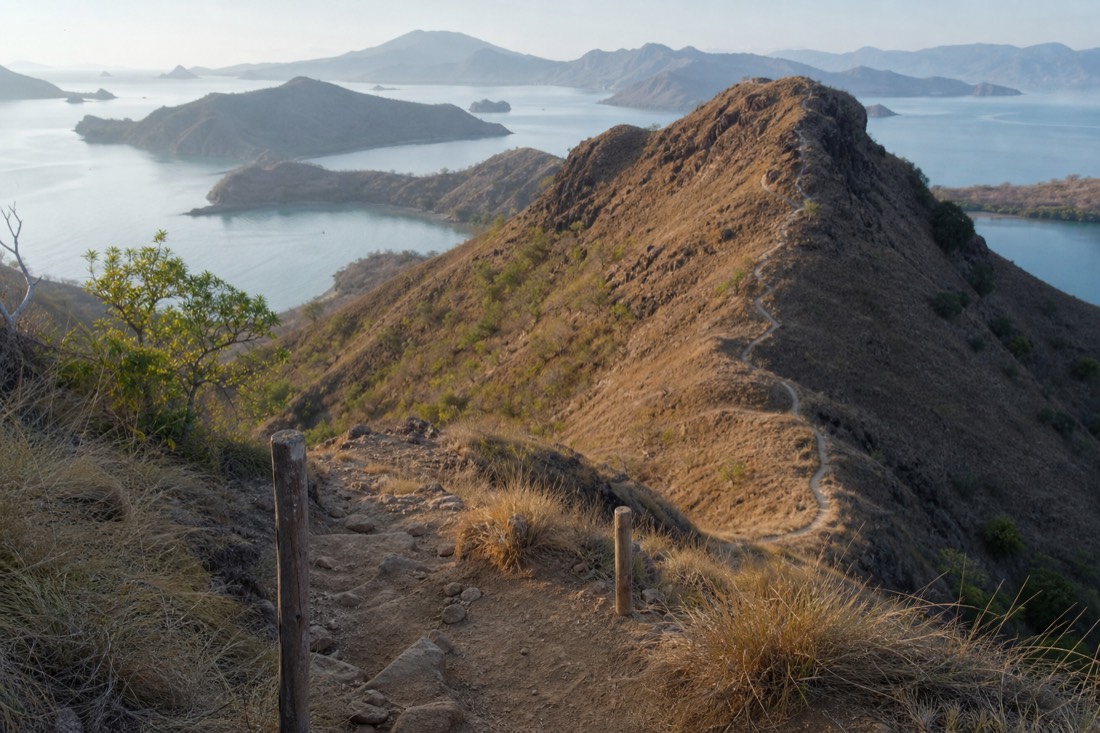
| Padar Island's summit view | Different experience (relax and swim vs. hike and view), both worth doing together |
| The Komodo dragon walk | Lower priority if you had to choose just one stop |
What's the water and snorkeling actually like there?
Swimming ability must be checked against the exact tour. The verified GetYourGuide day snorkeling tour and three-day sailing tour exclude non-swimmers; a life jacket does not override that restriction. The private Kalong sunset cruise has no swimming stop, but boarding ability and its other participation rules still need confirmation.
| Factor | What to expect |
|---|---|
| Water clarity | Generally clear close to shore |
| Current | Mild near the beach itself |
| Reef access | Coral visible from the shoreline without swimming far |
| Suitability | Comfortable for casual swimmers and snorkelers |
Does Pink Beach get crowded, and when is it quietest?
Midday sees the most overlap between tour boats, since most day trips arrive on a similar schedule; early morning or late afternoon stops, more common on multi-day liveaboards and early-bird departures, tend to be noticeably quieter. If crowd avoidance matters to you specifically, the early-bird speedboat tour is built around beating the standard day-trip fleet to the park's main stops.
What should you bring specifically for the Pink Beach stop?
Reef-safe sunscreen matters here more than most stops, since you're likely to be in and out of the water repeatedly. A rash guard helps with both sun exposure and comfort if you're snorkeling for a while. A dry bag or waterproof phone case is worth having for the inevitable photos, since the color really is a good subject, and a towel, which some budget open-trip boats don't provide as standard, so check your tour's inclusions. Pink Beach is one of several stops covered in the best snorkeling spots guide if you want the fuller picture beyond this one beach.
How does Pink Beach fit into a wider Komodo itinerary?
It rarely stands alone. Whether you're on a single-day trip or a multi-night liveaboard, Pink Beach is almost always paired with Padar Island's viewpoint hike and a Komodo dragon walk on the same itinerary, which is the real argument for going: you're not paying for Pink Beach specifically, you're paying for a day or trip that happens to include it alongside the park's other headline stops.
How does the Pink Beach experience actually change across day trip, 2D1N and 3D2N pacing?
The beach itself doesn't change, but your time there does: a day trip allots roughly 45-60 minutes as one of several stops, a 2D1N open trip gives a similar window with less overall rushing, and a 3D2N liveaboard sometimes allows a second, quieter pass if the itinerary and weather line up. Photographers and anyone wanting real relaxed swim time, not just a quick in-and-out, get the most out of the longer formats specifically at this stop.
| Format | Typical time at Pink Beach | Pace |
|---|---|---|
| Day trip | 45-60 minutes | One of 4-5 stops, tightly scheduled |
| 2D1N open trip | Similar window | Less rushed overall pacing |
| 3D2N+ liveaboard | Often more relaxed | Occasional second visit if timing allows |
What's the actual boat-traffic pattern at Pink Beach through the day?
Boats cluster at Pink Beach mid-morning through early afternoon, since that's when the majority of day trips from Labuan Bajo arrive on broadly similar schedules, and the beach visibly quiets down by mid-to-late afternoon as those boats move on to their final stop before the return crossing. An early-bird itinerary that reaches Pink Beach before the standard fleet, or a liveaboard that times its visit for late afternoon, both sidestep the busiest window without needing to skip the stop entirely.
| Time window | Typical boat traffic |
|---|---|
| Early morning | Light; mostly early-bird departures |
| Mid-morning to early afternoon | Heaviest; standard day-trip fleet overlaps here |
| Late afternoon | Thinning out as boats head back |
Who should genuinely deprioritize Pink Beach on a tight itinerary?
Travelers with only a few hours of flexibility who have to choose between stops should weigh Pink Beach against the Komodo dragon walk and Padar's viewpoint, both of which most repeat visitors and operators rank as the higher-priority experiences if something has to give. Pink Beach rarely gets dropped in practice, since it's bundled into nearly every standard itinerary at no extra cost, but anyone building a fully custom private charter with genuinely limited time should know it's the more skippable of the park's three headline stops, not the dragons or the Padar climb.
How does Pink Beach compare to the world's other pink-sand beaches, if you've seen one before?
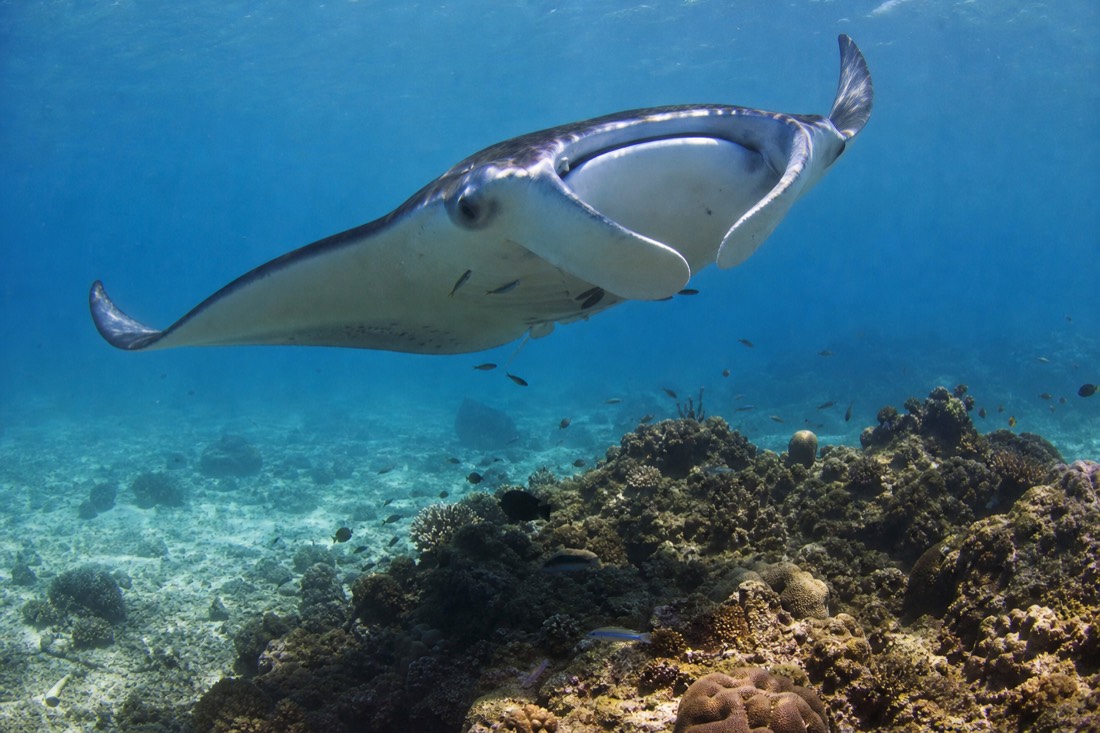
Pink Beach in Komodo National Park is one of a genuinely small number of beaches worldwide with naturally pink-tinted sand, sharing that rarity with a handful of others like Harbour Island in the Bahamas and Elafonisi in Greece, but what sets Komodo's version apart is context: it isn't a standalone beach destination, it's one stop inside a national park visit that also includes wild dragons, a dramatic hike and manta ray snorkeling on the same trip. Travelers who've visited another pink beach purely for the sand often describe Komodo's as comparable in color intensity but far richer as an overall experience, since the setting and the rest of the day around it do most of the heavy lifting.
The coral-fragment origin of the color is also worth knowing if you've wondered whether other pink beaches share the same cause: not all of them do, some get their tint from different mineral or shell sources, but Komodo's specific mechanism, red Foraminifera and broken coral mixed into white sand, is well documented and consistent with what makes several of the world's other famous pink beaches pink as well.
What's the etiquette and conservation angle worth knowing before you go?
Because the pink color comes directly from living reef material, coral fragments and Foraminifera shells, walking off the immediate shoreline onto the reef itself, or removing "souvenir" pink sand, both damage the exact ecosystem that produces the color travelers come to see. Guides typically brief groups on staying off the reef flat at low tide and leaving the sand where it is, standard reef-etiquette rules that matter more here than at an ordinary beach precisely because the sand's color is a living, renewable byproduct of the reef rather than an inert mineral deposit.
Does Pink Beach actually look different depending on tide and weather?
The color reads strongest at the waterline where the sand stays wet, so a lower tide that exposes more of the pink-tinted wet sand tends to produce a more vivid photo than a higher tide that submerges most of it; overcast light softens the contrast between the pink sand and turquoise water, while direct midday sun tends to wash out subtler shades and favor a punchier, higher-contrast look. None of this is something you can control on a fixed tour schedule, but it explains why two travelers' photos from the same beach on different days can look genuinely different, and it's not a sign either of them is wrong about the color being real.
| Condition | Effect on the color |
|---|---|
| Low tide, wet sand exposed | Color reads most vividly |
| High tide | Less pink sand visible above the waterline |
| Overcast light | Softer, more even color and contrast |
| Direct midday sun | Higher contrast, can wash out subtler shades |
What's a realistic photo strategy that doesn't eat into your group's actual beach time?
Since Pink Beach is one of several stops on a shared schedule, the practical approach repeat visitors recommend is taking a handful of establishing shots close to the waterline first, where the color shows best, then setting the camera aside to actually swim and enjoy the stop, rather than spending the entire allotted 45-60 minutes chasing the perfect frame. A wide shot capturing the sand-to-water gradient generally reads better than an extreme close-up, since the color's context, pink sand against turquoise water, is what makes the photo distinctive in the first place.
How does Pink Beach's short visit actually compare to what a longer beach stay elsewhere would offer?
A standard beach resort stay offers hours of unstructured time; Pink Beach's 45-60 minute window is deliberately short because it's one stop in a full day covering multiple headline experiences, which is a genuinely different value proposition, less lounging time, but a beach visit bundled with dragons, a dramatic hike and manta snorkeling in the same trip. Travelers expecting a resort-style beach day specifically should adjust expectations; travelers who want a beach as part of a varied, wildlife-forward itinerary get exactly that here.
| What you're comparing | Pink Beach's version |
|---|---|
| A standard resort beach day | Hours of unstructured relaxation |
| Pink Beach on a Komodo tour | 45-60 minutes, bundled with dragons, hiking, snorkeling |
For travelers who specifically want more relaxed time at this exact beach, the 2D1N Pink Beach tour allows a somewhat less rushed visit than a standard single-day trip does.
What's the single most common question first-time visitors ask their guide once they arrive?
"Is the sand really that color, or is it the light?" is, by most guides' own accounts, the question asked most often right at the water's edge, even by travelers who read about the coral-fragment explanation beforehand. Seeing it in person against the turquoise water still surprises people who expected the photos to be exaggerated, which is a fairly reliable sign that the beach delivers on its reputation rather than existing purely as a marketing image.
What's the honest final take for someone deciding whether Pink Beach alone justifies the trip?
On its own, no beach, however genuinely pink, justifies the cost and effort of reaching Komodo National Park. Bundled with the dragons, Padar's viewpoint and manta snorkeling, which is how every tour on this site actually sells it, Pink Beach becomes an easy, essentially free addition to a trip that's already worth taking for its other headline experiences, and that's the honest, correctly-scoped way to think about its place in your itinerary.
What's the next stop most travelers plan right after Pink Beach on their itinerary?
Padar Island's viewpoint hike or the Komodo Island dragon walk, depending on the day's specific sequencing, both covered in their own dedicated guides on this site if you want the full picture of what typically bookends a Pink Beach stop.
Final word: is Pink Beach the reason to book, or just a nice bonus?
A nice bonus, honestly, and that's fine. Book Komodo for the dragons, Padar and the mantas; enjoy Pink Beach as the easy, essentially free extra it actually is once you're there.