Best Time to Visit Komodo National Park (2026)
Komodo doesn't have a bad season, exactly, but April through September and October through March are genuinely different trips. Here's what actually changes.
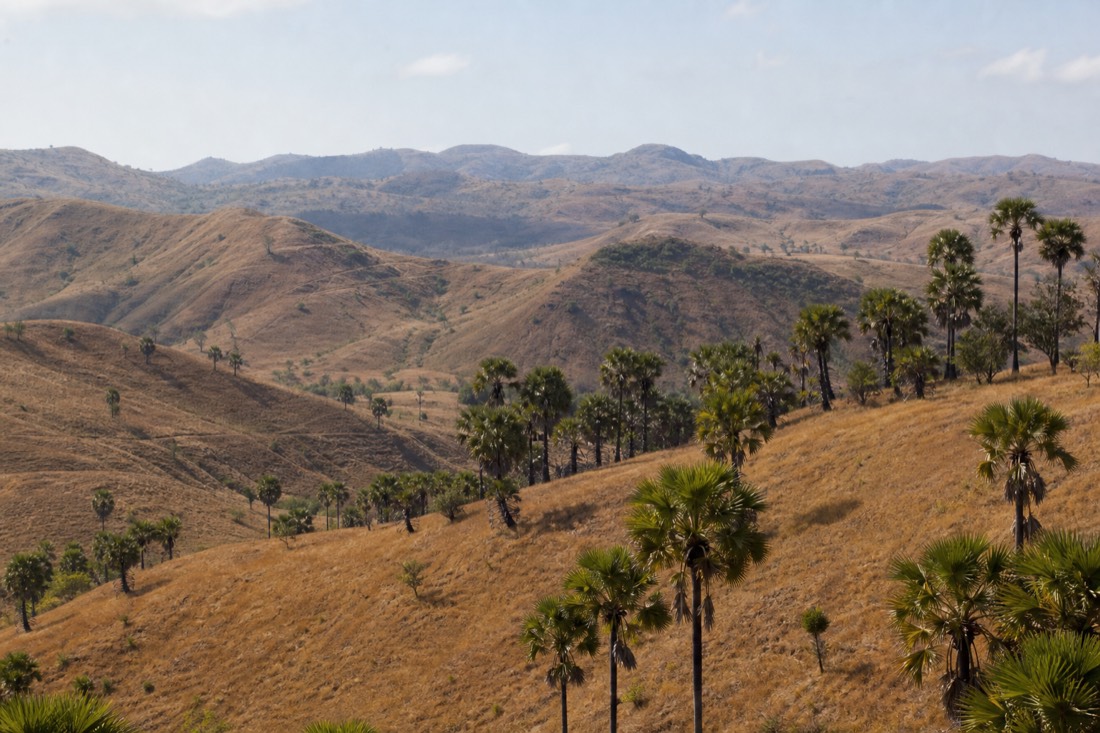
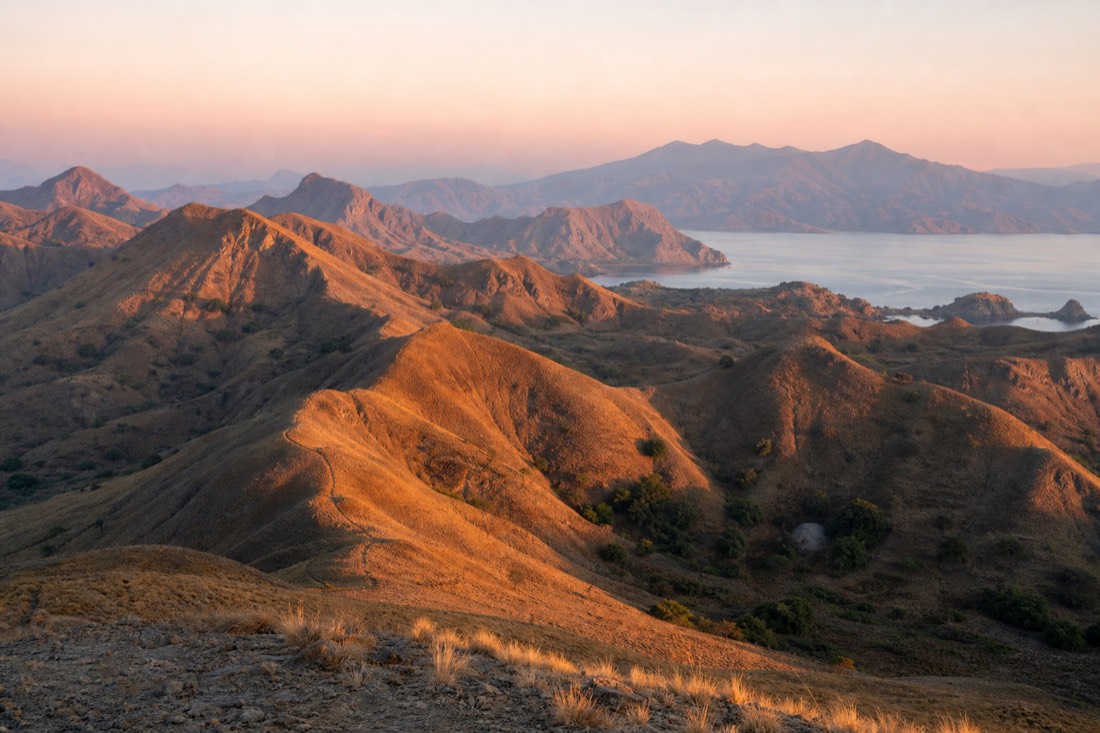
Komodo sits close enough to the equator that it doesn't have a true winter, but it absolutely has a season that changes the water, the crowds and even the color of the hills. Picking your month matters more here than the "it's tropical, any time works" framing suggests.
Booking Choice: Reach Padar, Pink Beach and a ranger-led dragon walk on an 11-hour group day trip. Explore Early-Departure Komodo Group Speedboat
Start: Labuan Bajo. Confirm age rules and extras before booking.
Komodo's year, month by month
General seasonal pattern for East Nusa Tenggara's tropical dry/wet climate; conditions vary year to year, so check your operator's current advice close to your travel date.
What are Komodo's two main seasons?
Komodo runs a tropical dry/wet monsoon pattern rather than four distinct seasons: roughly April through October is the dry season, with calmer seas and better underwater visibility, and roughly November through March is the wet season, with rougher water at times and a genuinely different, greener landscape. Neither season makes the park unvisitable; they're different trips with different tradeoffs.
| Season | Months | Sea conditions | Landscape |
|---|---|---|---|
| Dry season | ~April - October | Generally calmer, better visibility | Golden, dry savanna hills |
| Wet season | ~November - March | Can be rougher, more variable | Green, lusher hills |
What actually changes month to month, beyond rain?
Crowd levels, pricing, and the exact underwater experience all shift alongside the weather pattern, and July-August stands out specifically as the busiest window, driven by Indonesian and Western school-holiday travel converging. Shoulder months, late in the dry season before the July peak, and again in September into early October, tend to offer the best mix of good conditions and thinner crowds.
| Period | What to expect |
|---|---|
| April - June | Dry season building, good visibility, moderate crowds |
| July - August | Peak season: busiest, priciest, book tours further ahead |
| September - early October | Still dry, crowds easing, often called the sweet spot |
| Late October - November | Transition into wet season, sea conditions more variable |
| December - March | Wet season, greener landscape, thinner crowds, lower rates |
Does the dragon walk change with the season?
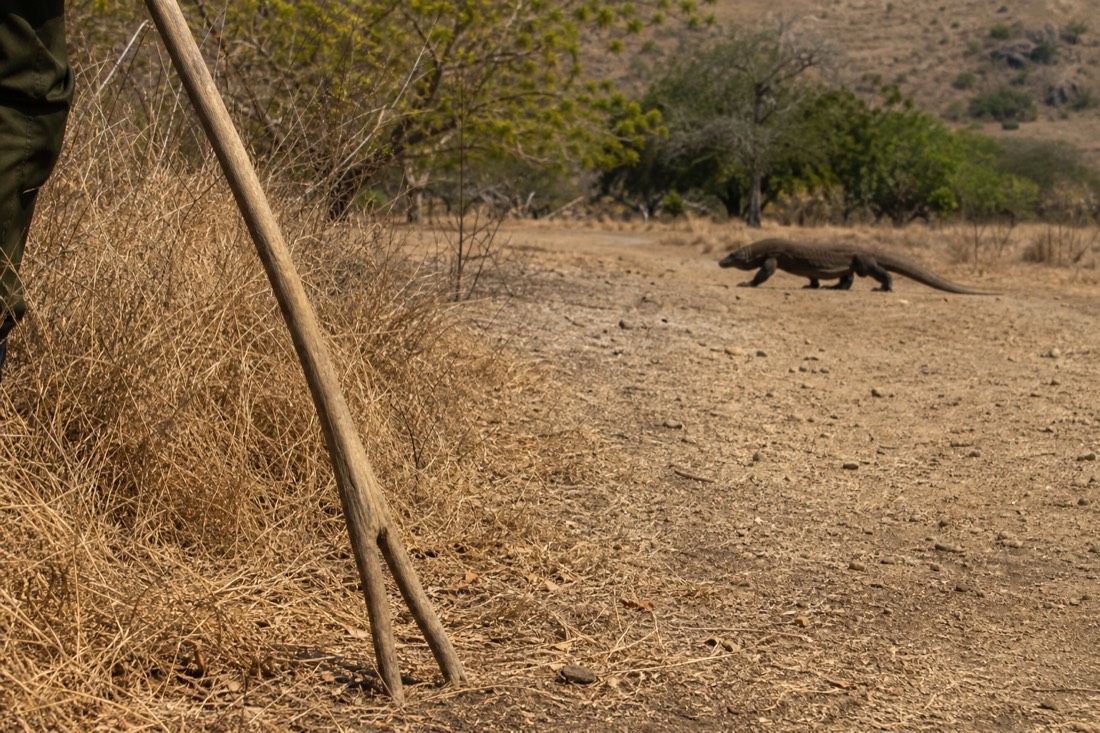
Not meaningfully in terms of access, guided walks run year-round, but the dry season's harsher midday heat makes an early morning departure more valuable than ever, since dragons are more active in cooler hours regardless of which month you visit. Wet season's occasional rain doesn't typically stop a scheduled walk, though a heavier downpour can shift timing.
How does the season affect diving and snorkeling specifically?
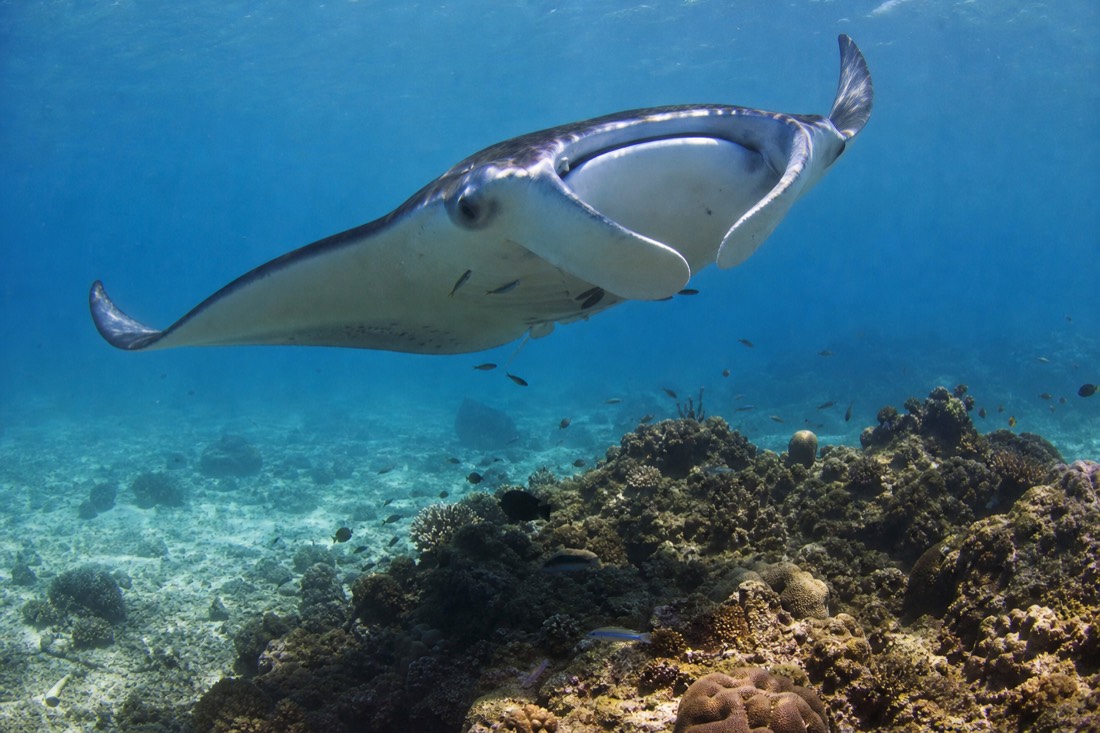
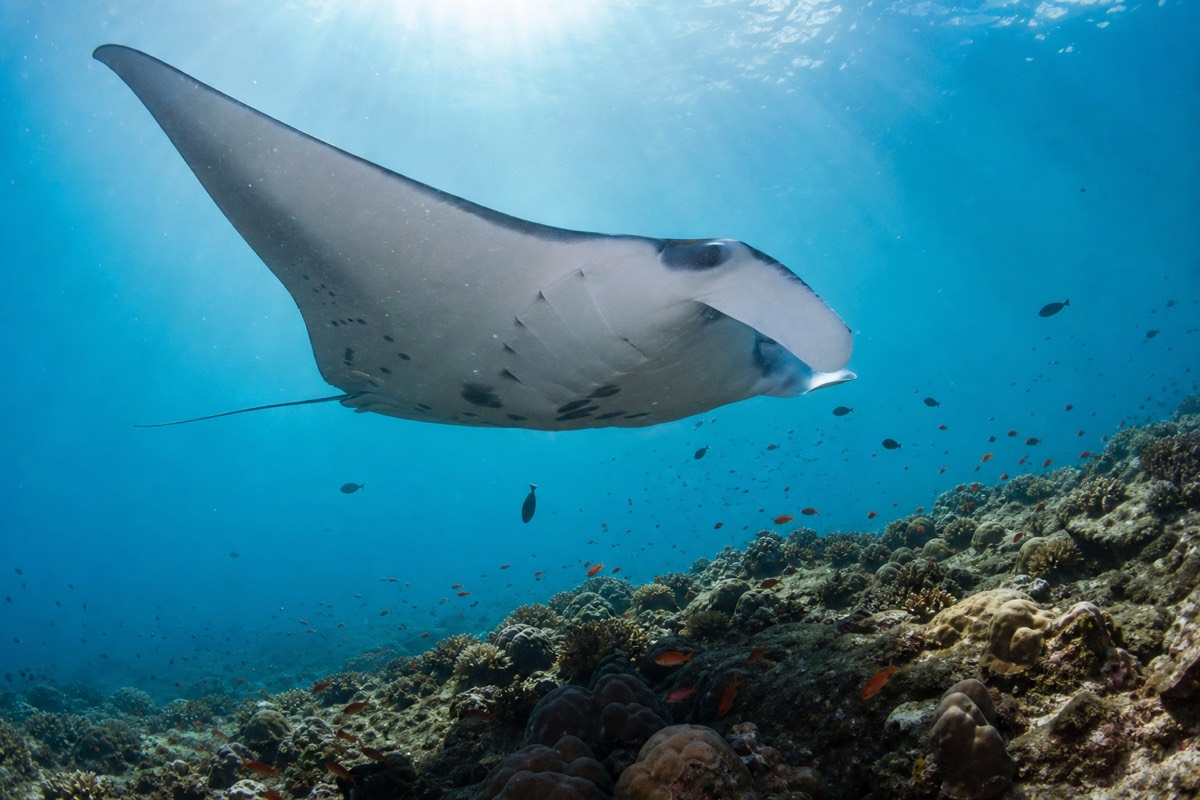
Underwater visibility is generally better in the dry season, while the manta ray picture is more nuanced: central sites like Manta Point are productive across much of the year, and the park's southern sites see a reliable boost from a colder, nutrient-rich upwelling roughly July through September that draws mantas in for feeding. That means the "best" month for diving isn't identical to the "best" month for manta encounters specifically. The Manta Point season guide covers this split in detail.
| Activity | Best general window |
|---|---|
| General visibility and calm seas | Dry season, roughly April - October |
| Central manta sites (e.g. Manta Point) | Fairly consistent across much of the year |
| Southern manta sites, larger numbers | Roughly July - September, upwelling season |
| Coral wall diving (north Komodo) | Dry season for the best combination of calm water and clarity |
When should you book to avoid the biggest crowds?
July and August are the months to plan around rather than avoid entirely, since booking your tour well in advance and choosing an early-bird departure both meaningfully reduce how much of the crowd you actually encounter at Padar and Komodo Island. If your travel dates are flexible, shifting even a few weeks either side of peak season, into late June or September, often delivers a noticeably calmer experience for a similar climate.
What should families, photographers and other traveler types weigh when picking a month?
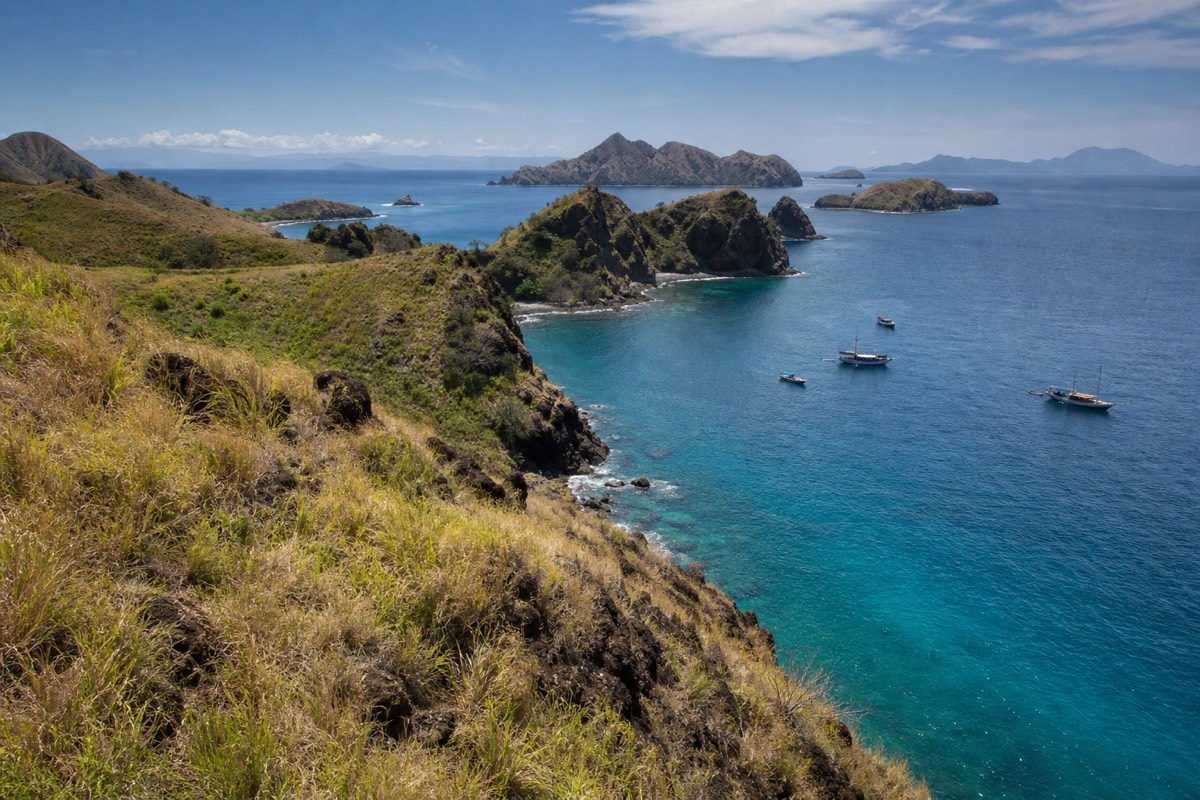
The verified early-departure speedboat listing is an 11-hour shared group trip, with hotel pickup around 05:30. It includes Padar, a ranger-led dragon walk, Pink Beach and reef stops. An early departure does not guarantee empty stops or a private boat.
| Traveler priority | Best-fit window |
|---|---|
| Avoiding crowds | Late April - June, or September - early October |
| Best manta numbers (southern sites) | July - September |
| Lower prices, quieter park | Wet season, December - March |
| Greenest landscape photography | Just after wet season, around March - April |
Does the season affect which tour format makes the most sense?
Not the format itself so much as the booking timeline: peak season departures, especially private charters and popular liveaboard dates, sell out further in advance, so the planning lead time matters more in July-August than in the quieter wet-season months. Deciding between a day trip and a liveaboard is a separate question worth settling first. For help translating a chosen season into an actual day count, see the how many days do you need guide. Divers deciding between this park and Indonesia's other headline dive destination should also see Komodo vs Raja Ampat.
What does the sea state actually do across the year, beyond "calmer" and "rougher"?
Dry-season seas, roughly April through October, tend to be more consistently calm across the crossings between islands, which matters most on faster, lower-hulled speedboats; wet-season seas, especially December through February, see more variable conditions day to day, with the occasional rougher crossing that a Phinisi liveaboard's heavier hull rides out more comfortably than a speedboat. Neither season makes the crossings unsafe on a properly operated tour, but the day-to-day comfort difference is real, particularly for anyone prone to seasickness.
| Period | Typical sea state | Best-suited boat type |
|---|---|---|
| April - October (dry) | Generally calmer, more consistent | Either speedboat or Phinisi |
| November - March (wet) | More variable, occasional rougher days | Phinisi liveaboard rides chop more comfortably |
How much does peak-season pricing actually move compared to shoulder season?
Tour prices on live listings tend to firm up or rise modestly during the July-August peak, driven by demand rather than a change in what's included, while shoulder and wet-season months more often see the base advertised rates or promotional pricing. The bigger practical cost of peak season isn't usually the sticker price, it's availability: popular liveaboard dates and private charters book out further ahead, which can push last-minute travelers toward pricier remaining options rather than the standard listed rate.
| Season | Typical price behavior | Booking lead time needed |
|---|---|---|
| July - August (peak) | Prices firm up, demand-driven | Book well in advance, especially liveaboards |
| Shoulder (Apr-Jun, Sep-Oct) | Standard listed rates common | Moderate lead time recommended |
| Wet season (Nov-Mar) | Lower rates, more promotions | Shorter lead time often workable |
Who should specifically target the wet season, rather than just tolerate it?
Budget-conscious travelers, photographers chasing the lush green landscape that follows the rains, and anyone who genuinely prefers a quieter park over the busiest crowd levels are the travelers who should actively consider the wet season rather than treat it as a fallback. It suits people with flexible plans who can adjust an itinerary if a specific crossing gets rougher on a given day, more than it suits travelers on a single tightly fixed date with zero buffer, since the variability, not the average conditions, is the real wet-season factor to plan around.
How does temperature and humidity actually change through the year, beyond just rain?
Komodo's location close to the equator means temperatures stay warm to hot year-round with relatively little seasonal swing compared to destinations further from the equator; what changes more noticeably is humidity and how the heat actually feels, drier and more intense on exposed, shadeless stops like the Padar hike during the dry season, heavier and stickier but often accompanied by cloud cover during the wet season. Neither season is objectively more comfortable heat-wise, they're simply different kinds of hot, and both call for the same core defenses: sun protection, hydration and pacing yourself on the physically demanding stops.
| Season | Heat character | Best defense |
|---|---|---|
| Dry season | Drier, intense direct sun, minimal cloud cover | Sun protection, hydration, early starts |
| Wet season | Higher humidity, more cloud cover, occasional rain relief | Light rain-ready layer, breathable clothing |
What does a full month-by-month planning calendar look like, pulling this all together?
Between the season split, the crowd pattern, the manta upwelling window and the general heat and humidity picture covered above, a simple month-by-month view is the easiest way to match your own priorities to an actual travel date.
| Month | Season | Crowd level | Notable factor |
|---|---|---|---|
| April - May | Dry season building | Moderate | Good visibility, manageable crowds |
| June | Dry season | Building toward peak | Strong all-around conditions |
| July - August | Dry season peak | Highest of the year | Manta upwelling begins; book well ahead |
| September | Late dry season | Easing | Manta upwelling continues; often called the sweet spot |
| October | Dry-to-wet transition | Lower | Still generally good conditions |
| November - March | Wet season | Lowest | Greener landscape, lower rates, more variable seas |
What if the dragons and the mantas pull you toward different months, which should win?
In practice this conflict is smaller than it looks: dragon sightings aren't meaningfully seasonal and remain a reliable, year-round guided experience, while only the southern "Manta Alley" sites are genuinely tied to the July-September upwelling, Manta Point itself stays productive across most of the year. That means a traveler doesn't actually have to choose between "dragon season" and "manta season" the way the framing sometimes implies; the one genuine trade-off is between chasing the largest possible manta numbers at the southern sites specifically, which does mean targeting July-September, versus a standard itinerary that delivers solid dragon and manta experiences comfortably across most of the year.
For travelers with real date flexibility and a strong preference for maximum manta numbers over crowd avoidance, July-September remains the honest answer. For everyone else optimizing for the best overall balance of good weather, manageable crowds and a full, reliable itinerary, the shoulder months either side of that peak, covered in the calendar above, are the more broadly recommended target.
Does the season affect the Padar hike specifically, beyond general heat?
Dry-season trail conditions on Padar tend to be firmer and dustier underfoot, while wet-season rain can make the same loose, uneven sections genuinely slicker, which is worth factoring in if you're already cautious about the hike's difficulty covered in the Padar hike guide. Neither condition rules out the climb, grippy shoes matter in both seasons, but a wet-season visit calls for a bit more care on the descent specifically, where footing already matters most.
How should a fixed, non-negotiable travel date change how you plan around season?
If your dates are locked in regardless of season, whether by work schedule, school holidays or a broader trip itinerary that doesn't bend, the practical response is adjusting expectations rather than the calendar: book further ahead if your fixed dates land in July-August peak season, pack for both possible conditions if you're traveling in a shoulder month, and lean on an experienced operator's real-time judgment on sea conditions and current itinerary tweaks rather than trying to out-plan the weather yourself. A fixed-date trip in any season still delivers Komodo's core experience; season mainly shifts crowd levels, pricing and a handful of underwater specifics, not whether the trip is worth taking.
What's the one seasonal fact worth remembering above everything else in this guide?
There's no genuinely bad month to visit Komodo, only different trade-offs between crowds, cost and water conditions, which is a meaningfully different situation from destinations with a true off-season best avoided entirely. Every month in this guide's calendar still delivers dragons, Padar's viewpoint and manta encounters; the only question is how much company, sunshine and budget flexibility you'll have along the way.
What should you actually do once you've picked a target month?
Move straight to booking logistics: check the entrance fee and visitor-cap guide for how far ahead you'll need to secure your permit in that specific window, and the itinerary length guide to turn your chosen month into an actual day-by-day plan.
Is it worth tracking the weather forecast closely in the weeks before departure?
Loosely, yes, mainly to pack appropriately, but not to the point of anxiety: operators actively manage day-to-day conditions and will adjust an itinerary's order or timing around genuine weather, so a forecast showing rain in your travel window rarely means canceling plans, just packing a light rain layer alongside the usual sun protection.