What Is Komodo National Park Known For?
One animal put this park on the map. A formal UNESCO listing and a place among the New7Wonders of Nature are what turned it into a genuine bucket-list destination.
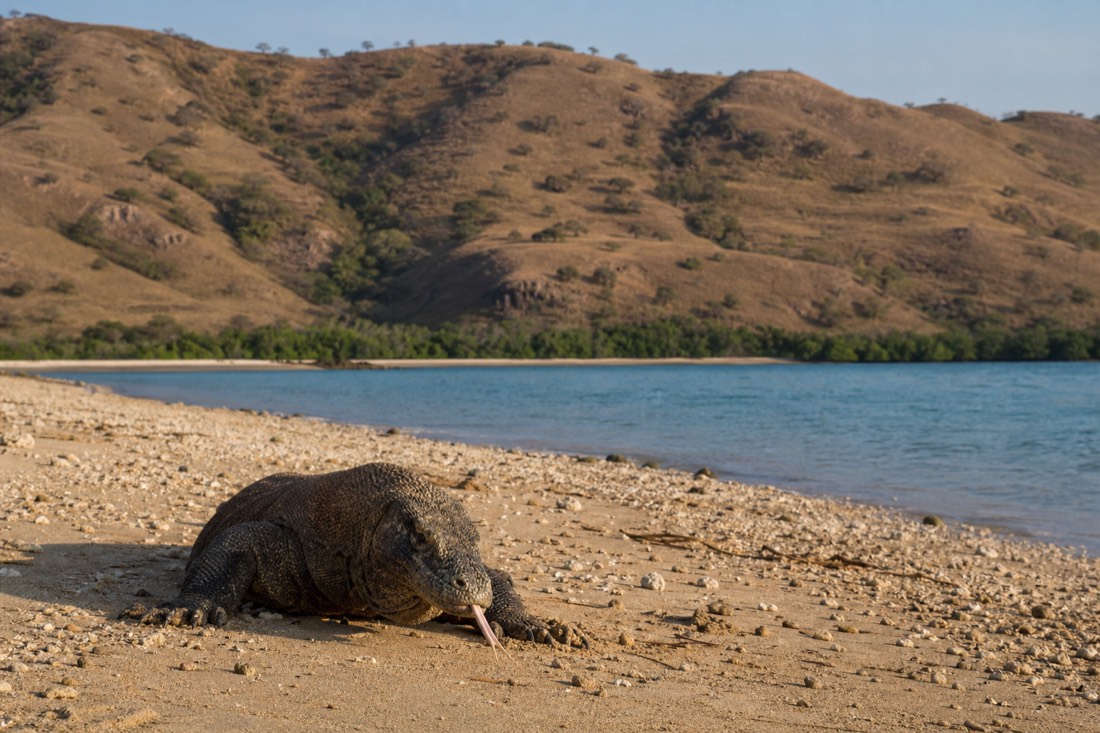
Ask someone what Komodo National Park is known for and you'll get one answer almost every time: the dragons. That's accurate, and it's also only part of what built this park's actual global reputation.
Booking Choice: Reach Padar, Pink Beach and a ranger-led dragon walk on an 11-hour group day trip. Explore Early-Departure Komodo Group Speedboat
Start: Labuan Bajo. Confirm age rules and extras before booking.
What is Komodo National Park most known for?
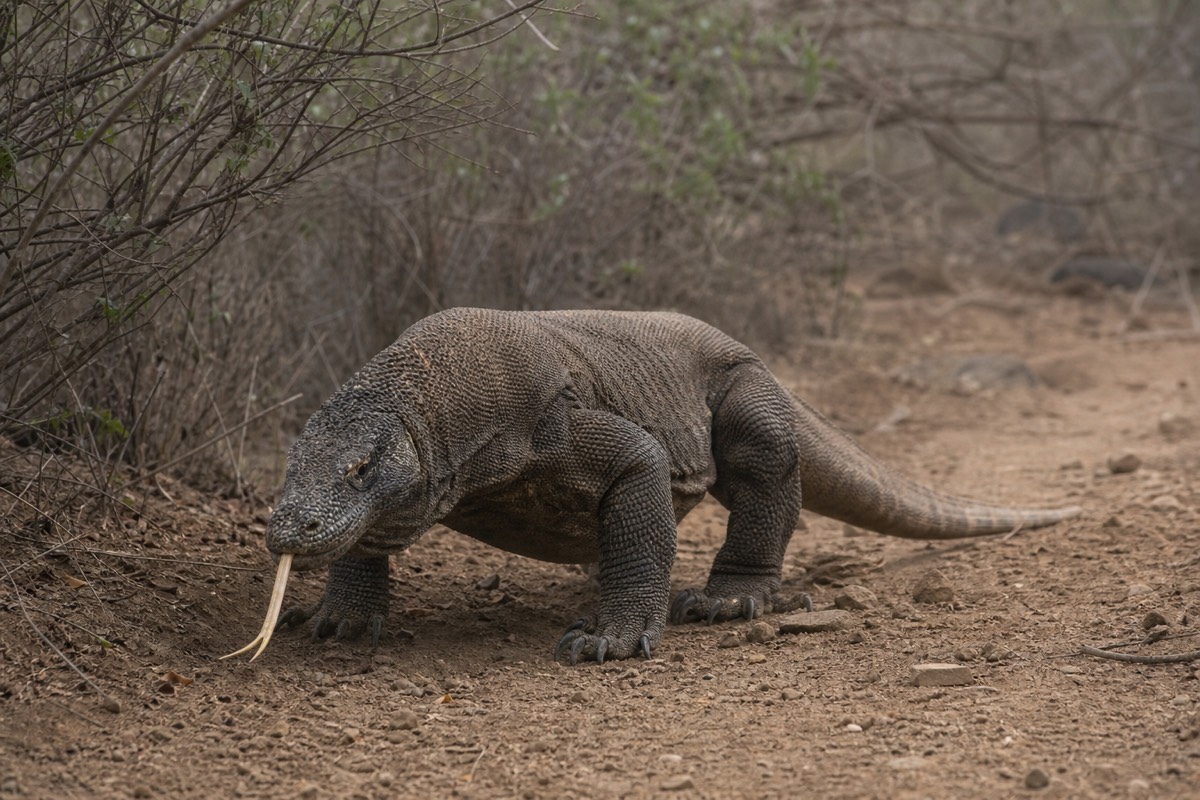
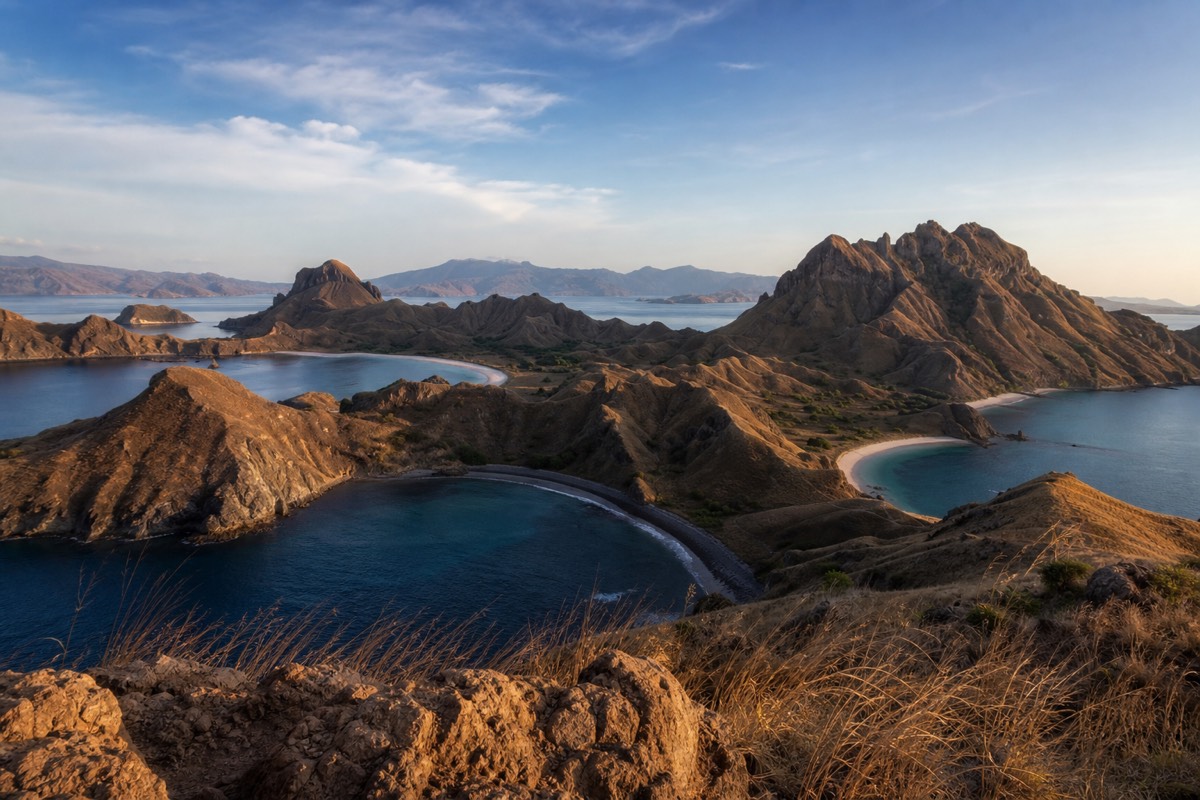
First and foremost, the Komodo dragon, the world's largest living lizard, found wild almost nowhere else on Earth. The park exists in its current form specifically because of this animal, and it remains the primary reason most visitors book a trip here in the first place. Beyond the dragon, the park has built a broader reputation around Padar Island's three-bay panoramic viewpoint, Pink Beach's naturally tinted sand, and manta ray encounters at sites like Manta Point, a combination of a rare land animal and genuinely distinctive marine and coastal scenery in one protected area.
What does the UNESCO World Heritage listing actually mean?
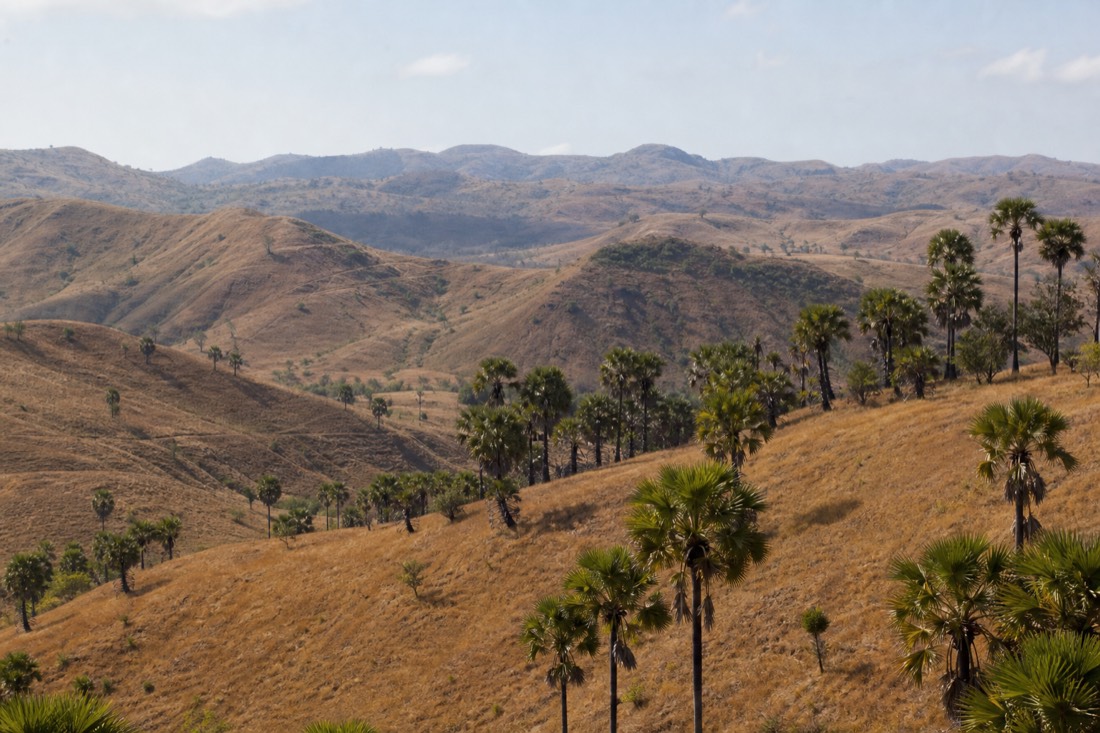
Komodo National Park was inscribed on the UNESCO World Heritage list in 1991, under listing number 609. That's a formal, internationally recognized designation, granted for the park's outstanding value as both a habitat for a genuinely unique species and a broader marine and terrestrial ecosystem shaped by the meeting of two different ocean current systems. It's the more rigorous and durable of the two "famous designation" claims associated with the park, administered by UNESCO rather than a private organization, and it's what underpins much of the park's ongoing protected status and conservation funding.
Is Komodo really one of the "New7Wonders of Nature"?
Yes, with an important caveat worth understanding. Komodo National Park was declared one of the New7Wonders of Nature on November 11, 2011, following a global public-vote campaign. That campaign was run by the New7Wonders Foundation (New Open World Corporation), a private Swiss-based organization with no connection to UNESCO, and the process was itself controversial: Indonesian officials publicly disputed licensing and hosting fees the organization reportedly demanded, and the foundation briefly threatened to suspend Komodo's finalist status over the disagreement before backing down. Komodo remained on the list and was ultimately named a winner. It's a real distinction the park holds, but a genuinely different kind of recognition than the UNESCO listing, more of a popular-vote marketing campaign than a scientific or governmental assessment, and it's worth knowing that distinction if you see both claims used interchangeably.
What specifically makes the park's ecosystem distinctive, beyond the dragon?
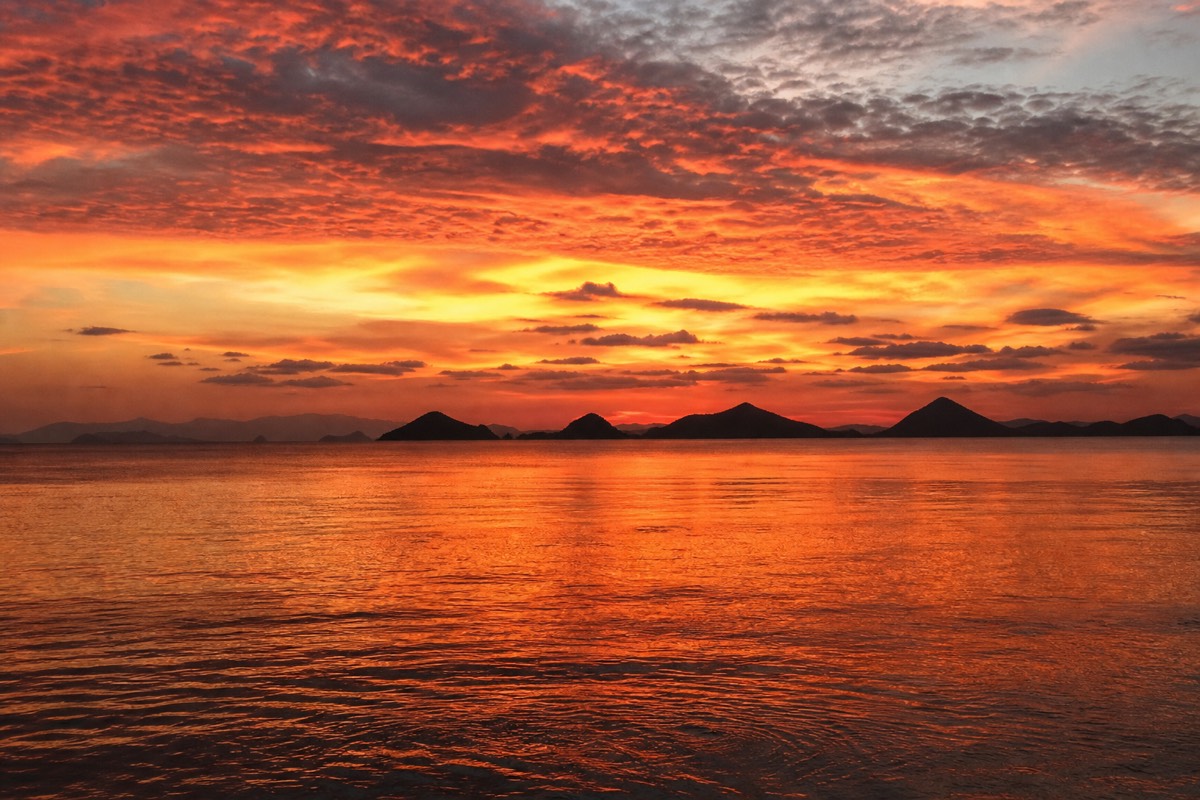
The park sits at the meeting point of warmer water flowing from the Flores Sea in the north and colder, nutrient-rich currents pushed up from the south, a genuinely unusual combination that supports two different marine environments within one protected area: coral-wall diving and reef life in the warmer north, and current-driven macro life plus strong manta ray activity in the colder south. That range is part of why the park draws serious divers in addition to travelers primarily there for the dragons, and it's covered in more depth in the best dive sites guide and the marine life and wildlife guide.
How do the dragons, the UNESCO listing and the marine environment fit together as one destination?
They're not really three separate reasons to visit, they're one park where a rare land predator, a UNESCO-protected ecosystem, and a genuinely distinctive stretch of ocean all overlap in the same handful of islands, reachable from a single small gateway town. That combination, land wildlife most travelers will never see anywhere else, plus a marine environment worth a serious diver's attention, plus scenery striking enough to have become genuinely iconic in its own right (Padar's viewpoint especially), is the real answer to what Komodo is known for, even if the dragon is usually the first word out of anyone's mouth.