Komodo National Park Islands Guide: Kelor, Sebayur, Kanawa and More
The park has more than three islands. These are the smaller stops that fill in around Padar, Pink Beach and the dragon islands on most real itineraries.
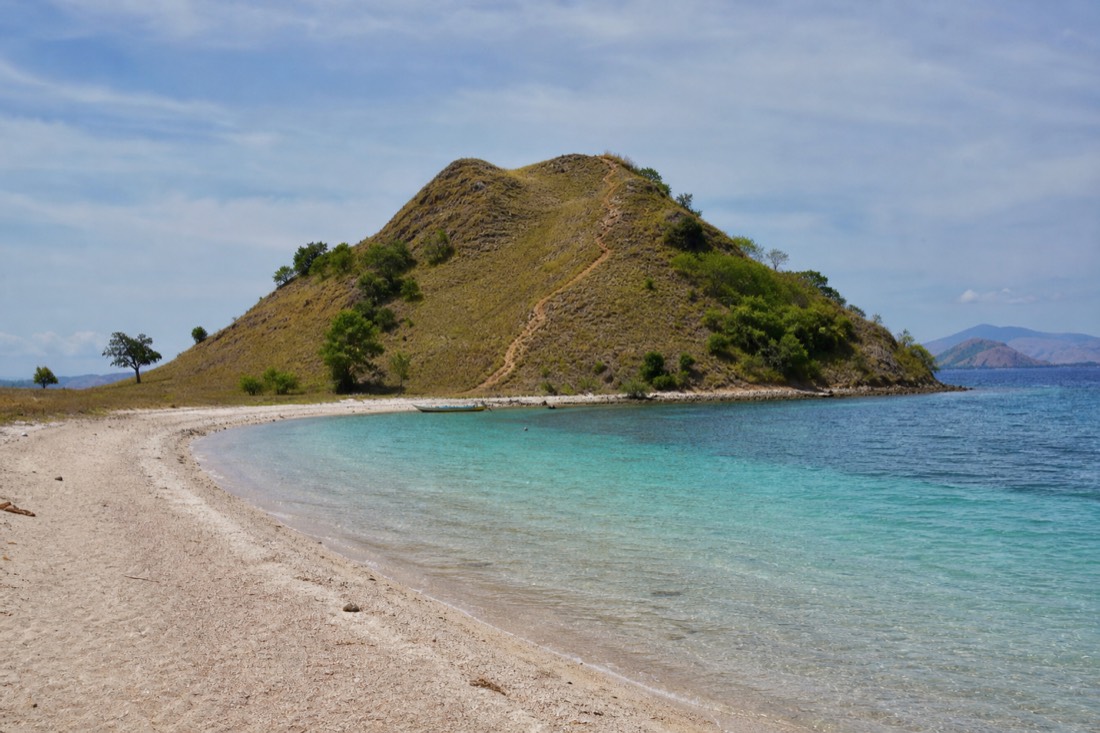
Padar, Pink Beach and the two dragon islands dominate the marketing, but a real multi-day itinerary threads through several smaller islands too, each with its own single, clear reason to stop.
Booking Choice: Spread Komodo, Padar, Kalong and snorkeling stops over three days and two boat nights. Explore Three-Day Komodo Phinisi Sailing
Start: Labuan Bajo. Confirm age rules and extras before booking.
What are the smaller islands that show up on Komodo itineraries?
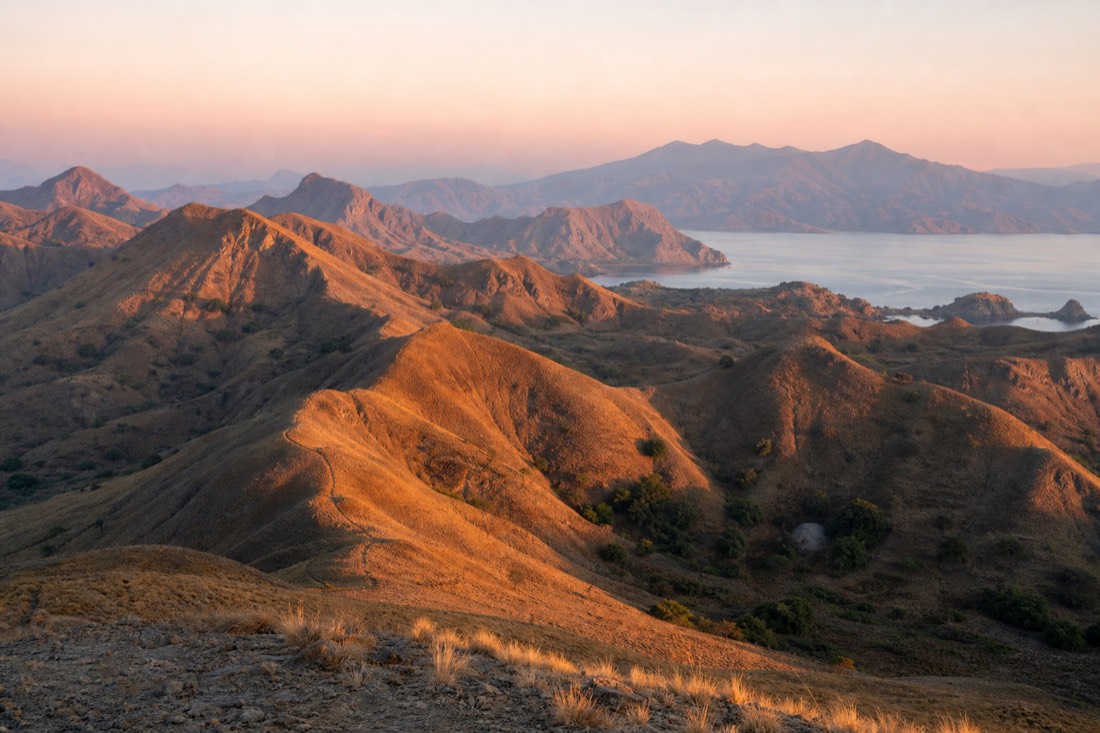
Kelor, Sebayur, Tatawa Besar, Batu Bolong, Gili Motang and Kanawa are the names that come up most often beyond the park's three headline islands, each offering a distinct, usually single-purpose stop, a hike, a snorkel spot, or a dive site, rather than the multi-activity draw of Padar or Komodo Island itself.
| Island | Known for | Typically visited on |
|---|---|---|
| Kelor | Short hike, cone-shaped hilltop view | Multi-day open trips and liveaboards |
| Sebayur | Snorkeling, calm anchorage | Multi-day itineraries |
| Tatawa Besar | Coral slopes, good visibility | Dive-focused trips |
| Batu Bolong | Coral-wall dive/snorkel site (not landable) | Dive-focused trips |
| Gili Motang | Smaller wild dragon population | Longer or specialized itineraries |
| Kanawa | Shallow fringing reef, easy snorkeling | Multi-day itineraries |
What's the appeal of Kelor Island specifically?
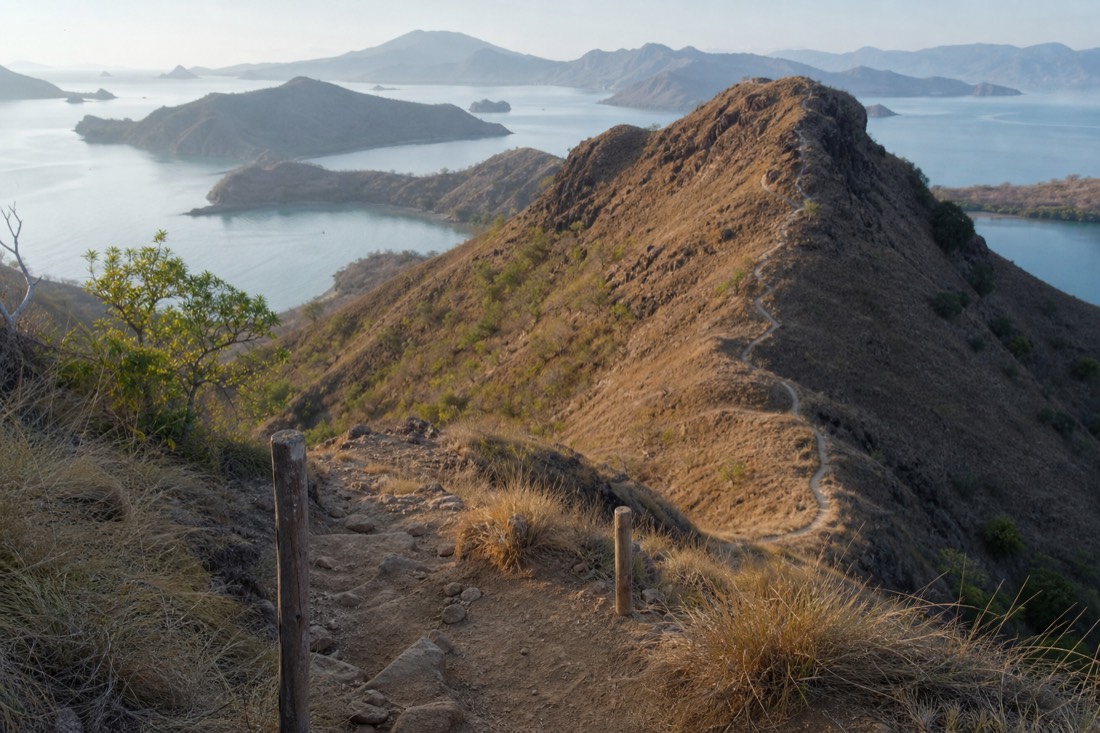
Kelor's short hilltop hike, a fraction of the time and difficulty of Padar's climb, still delivers a genuine payoff view over the surrounding water and neighboring islands, which makes it a favorite lower-effort alternative or addition for travelers who want a viewpoint without Padar's steeper trail. It's a common stop on the 2D1N and 3D2N open-trip itineraries, including the 2D1N Pink Beach tour's first day.
What's the difference between Sebayur, Tatawa Besar and Kanawa?
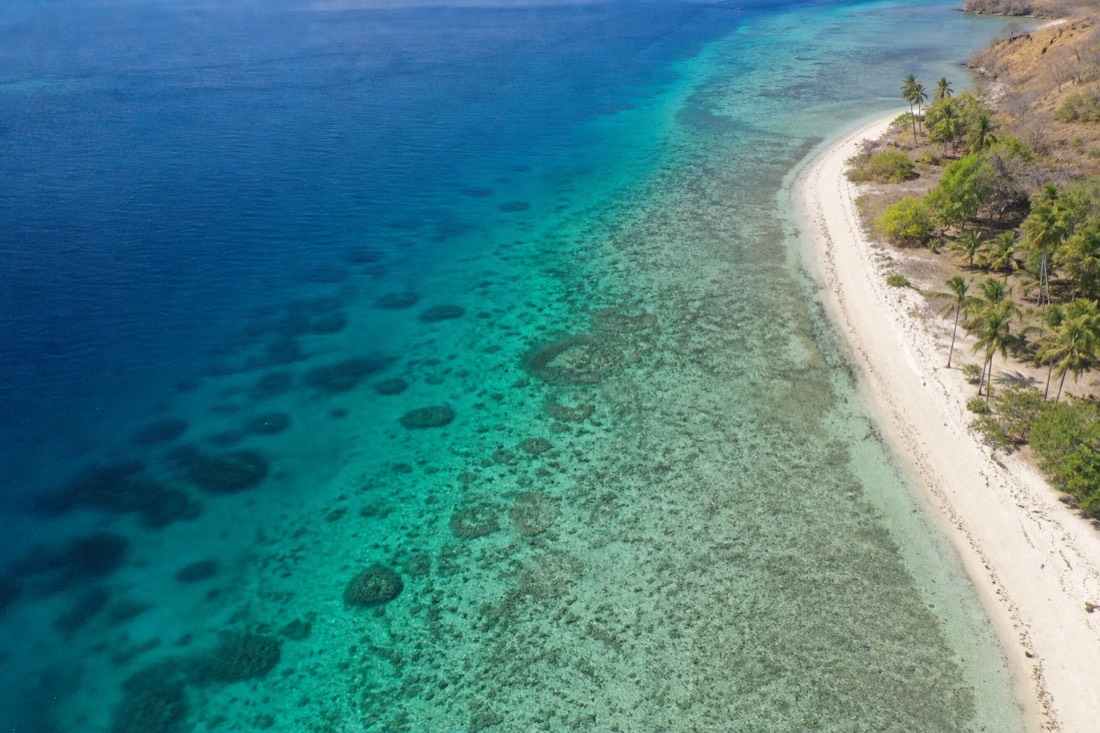
All three are snorkel-and-reef stops rather than hikes, but Kanawa's shallow fringing reef is generally the easiest and most beginner-friendly, while Sebayur and Tatawa Besar tend to appear more often on dive-focused itineraries given their proximity to the park's named dive sites.
| Island | Water conditions | Best for |
|---|---|---|
| Kanawa | Calm, shallow, clear | Beginners, casual snorkelers |
| Sebayur | Moderate, reef-adjacent | Snorkelers wanting more reef variety |
| Tatawa Besar | Good visibility, gentle slopes | Divers and confident snorkelers |
What is Batu Bolong, and why is it treated differently from the others?
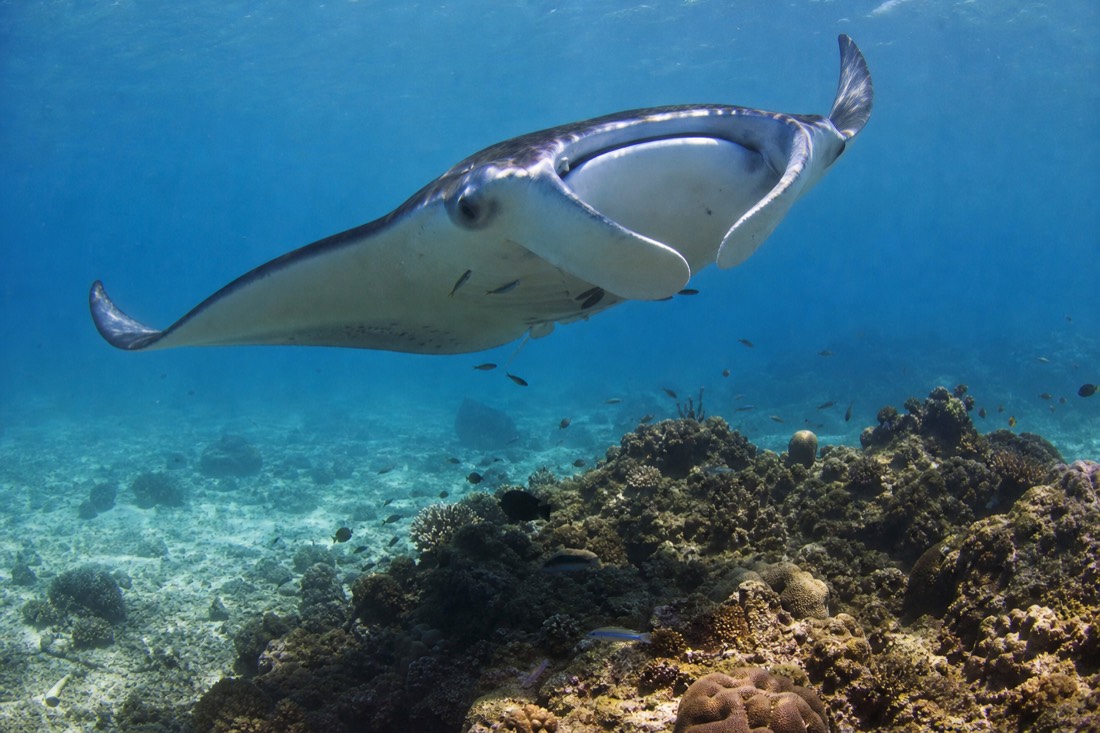
Batu Bolong is a small rock pinnacle rather than a landable island, known specifically as one of the park's best coral-wall dive and snorkel sites, current-swept, densely covered in coral, and productive for reef fish and occasional reef sharks. It's covered in more depth in the best dive sites guide, since its draw is entirely underwater rather than a beach or hike.
What makes Gili Motang worth knowing about, even if most tours skip it?
Rinca access depends on the named route, not a universal minimum trip length. The verified three-day Rinca and Komodo tour includes both ranger-led walks. The early-departure day listing allows Komodo or Rinca, so confirm the actual island if Rinca is essential.
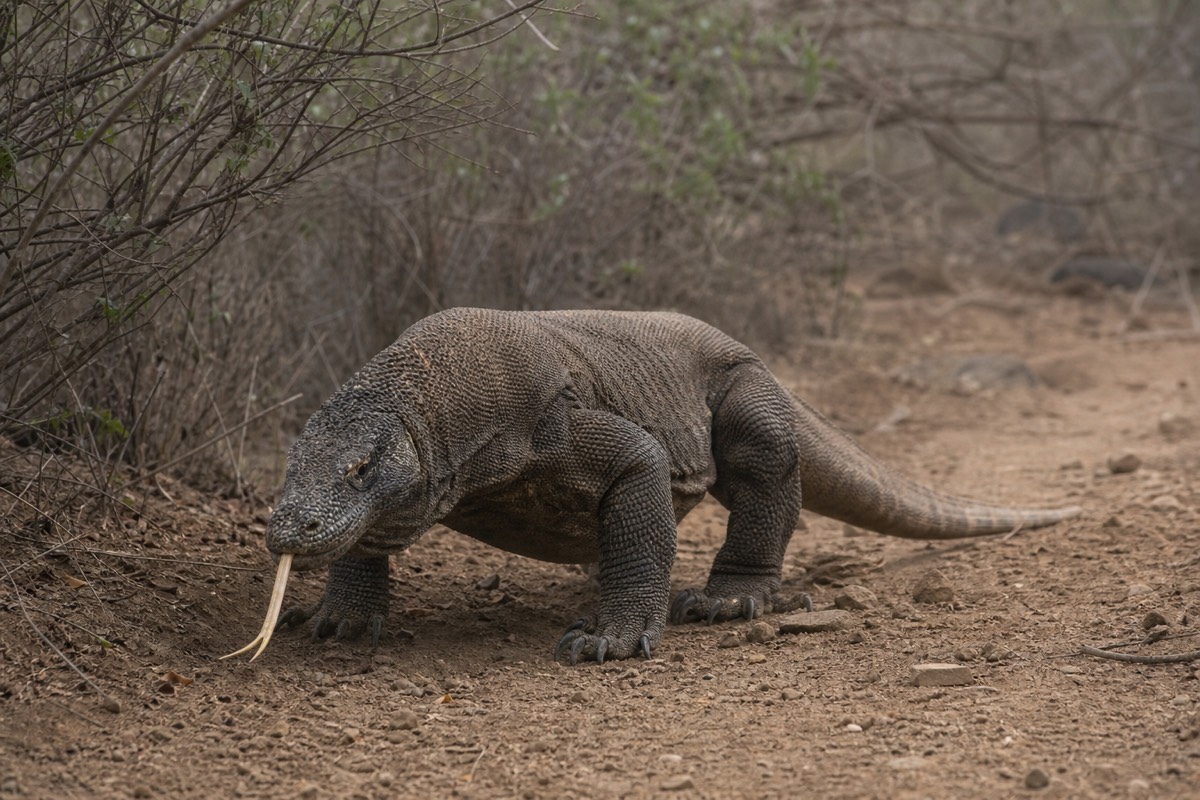
No verified product here establishes permitted visitor access to Gili Motang. A Komodo or Rinca tour must not be presented as a Gili Motang visit.
How do these smaller islands typically fit into a real itinerary?
They fill the gaps around the headline stops on multi-day trips: a short hike or snorkel stop between the bigger commitments of Padar's summit, the Komodo Island dragon walk, and the Manta Point snorkel, rather than being destinations booked for their own sake. A single-day trip typically has no room for these extras, which is one more reason a 2D1N or longer liveaboard covers more of the park's actual variety than a single-day itinerary can.
| Trip length | Likely to include smaller islands? |
|---|---|
| 1-day trip | Rarely; schedule is full with headline stops |
| 2D1N-3D2N open trip | Often, 1-2 smaller islands as connecting stops |
| 4D3N+ / dive-focused trip | Most likely to include several, including dive-specific sites |
How does a short Kelor Island hike actually compare to Padar's climb?
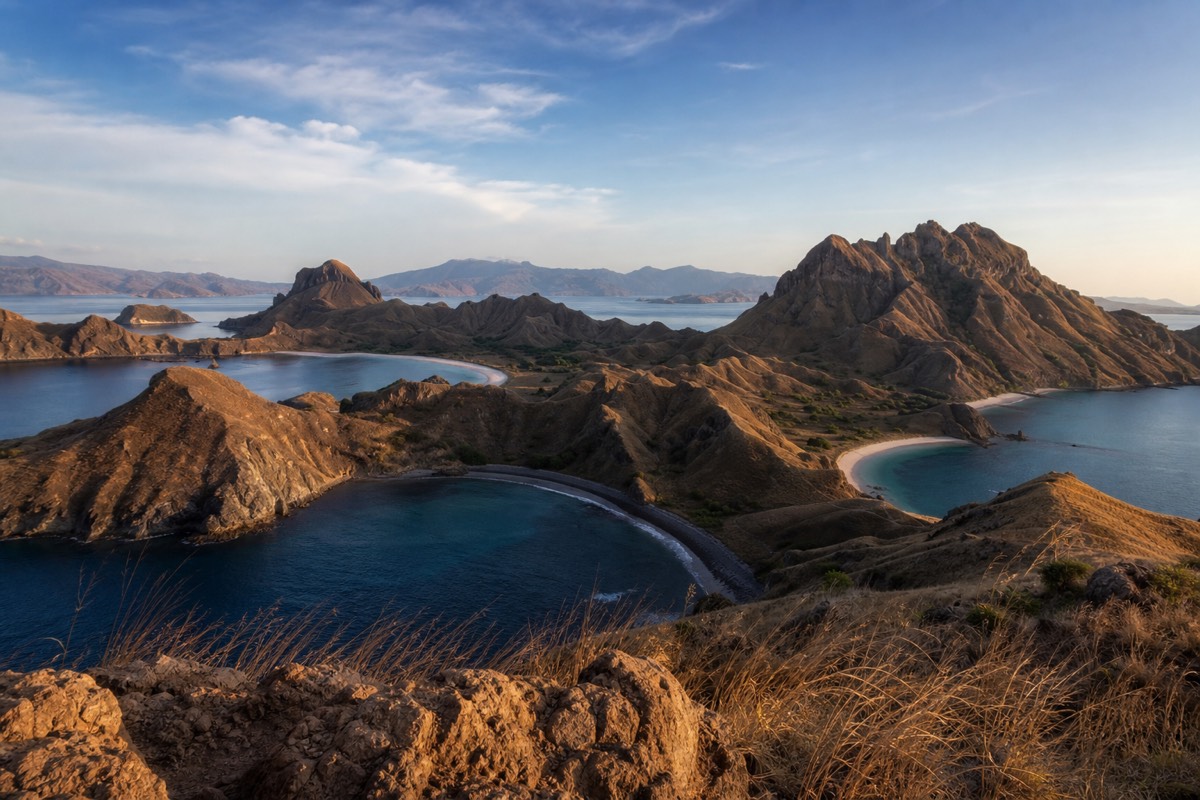
Kelor's summit trail takes roughly 10-15 minutes each way over a shorter, less exposed slope, against Padar's 20-30 minutes over steeper, looser ground, so Kelor works well as an easier stand-in when a group member wants a viewpoint without Padar's full climb. The view differs too: Kelor overlooks a single sweeping bay and neighboring islands, while Padar's payoff is the specific three-bay panorama that made it famous. Neither replaces the other; multi-day itineraries that include both let each viewpoint stand on its own merits.
| Factor | Kelor Island | Padar Island |
|---|---|---|
| Climb time (up) | ~10-15 minutes | ~20-30 minutes |
| Terrain difficulty | Moderate, shorter exposure | Steep, longer, more exposed |
| View | Single bay and neighboring islands | Three distinct, differently colored bays |
| Typical inclusion | Multi-day open trips and liveaboards | Most day trips and multi-day trips alike |
What should you actually bring for a day that includes several of these smaller stops?
Since most of these islands are undeveloped, with no ranger post, shop or shade structure, the packing logic is closer to the Padar hike guide than to a resort day: water, since none is sold on any of these islands, reef-safe sunscreen reapplied between stops, and a dry bag for the repeated in-and-out-of-the-water rhythm a multi-island day involves. Closed shoes matter less here than on Padar specifically, since Kelor's trail is shorter and gentler, but they're still the safer choice over sandals on any of the rockier landings.
Who gets the most out of adding these smaller islands to a trip?
Travelers who've already done a single day trip and are weighing a longer return visit, and anyone comparing a published 4-day private boat itinerary against this list, are the two groups who benefit most from knowing these names. On a first, single-day visit, they're not worth chasing at the expense of Padar, Pink Beach, the dragon walk or Manta Point; on a longer trip, they're what turns a "highlights" itinerary into a fuller picture of the park, which is why it helps to read a published 3D2N liveaboard itinerary before you book.
How do these smaller islands fit into the park's north-south current split?
Kelor, Sebayur and Kanawa all sit closer to the park's central and northern waters, sharing the warmer, generally calmer conditions covered in the dive sites guide, while Batu Bolong and the sites nearest Gili Motang lean into the same current-driven character that defines Komodo's diving further south and east. That geography is why Kanawa reads as an easy, beginner-friendly snorkel stop while Batu Bolong, only a short distance away by boat, is treated as a current-dependent site suited to more experienced divers, the underlying oceanography, not the distance between them, is what actually drives the difference.
Understanding this split matters practically when an operator's itinerary lists several of these names in a single day: it's rarely random. Routes are built to move through calmer, shallower stops earlier or on the more sheltered side of a crossing, saving current-exposed sites like Batu Bolong for when conditions and group experience level make sense, the same logic that governs the park's larger, better-known dive sites.
What does a realistic multi-island add-on day actually look like?
A liveaboard day built around these smaller islands typically threads two or three stops between the bigger commitments already on the itinerary, a short Kelor hike before breakfast, a Kanawa or Sebayur snorkel after the Komodo Island dragon walk, and a final relaxed stop before the evening's anchorage, rather than dedicating a full day to the smaller islands alone. None of them individually demand more than 30-60 minutes, which is exactly why they work as connective stops rather than standalone destinations.
| Time | Typical stop | Duration |
|---|---|---|
| Early morning | Kelor Island hike | ~30-45 minutes total |
| Late morning | Komodo Island dragon walk (headline stop) | 30-90 minutes |
| Midday | Kanawa or Sebayur snorkel | ~45-60 minutes |
| Afternoon | Pink Beach or Padar (headline stop) | 45-60 minutes |
Which of these islands should divers, snorkelers and hikers each prioritize?
Not every traveler needs to know all six names equally well; the useful shortcut is matching them to what you're actually doing that day.
| You are... | Prioritize |
|---|---|
| A certified diver | Batu Bolong, Tatawa Besar (named dive sites) |
| A snorkeler wanting the calmest water | Kanawa |
| Looking for an easy hike and view | Kelor |
| Curious about the park's smaller dragon populations | Gili Motang (specialized/longer itineraries only) |
How accessible is each island actually, in terms of landing and terrain?
Kelor and Kanawa both offer straightforward beach landings with no technical difficulty getting ashore, while Batu Bolong isn't landable at all, it's a rock pinnacle you dive or snorkel around rather than a beach you step onto, and Gili Motang's more limited infrastructure makes it a genuinely more involved stop than any of the others on this list. None of these smaller islands involve anything close to Padar's climb; the physical effort ceiling across this whole group is Kelor's short hilltop trail, well below what Padar demands.
| Island | Landing type | Physical effort |
|---|---|---|
| Kelor | Beach landing, short trail | Low-moderate (short hilltop climb) |
| Sebayur | Beach/boat anchorage | Low (snorkel-focused) |
| Tatawa Besar | Boat/dive entry | Low (dive/snorkel-focused) |
| Batu Bolong | Not landable, dive/snorkel only | Low (in-water only) |
| Kanawa | Beach landing | Low (snorkel-focused) |
| Gili Motang | Limited infrastructure | Variable; less standardized than the others |
Do these islands have any facilities at all, or should you come fully prepared?
Come prepared as though nothing will be available, because for the large majority of these stops, nothing is: no shop, no shaded structure, no fresh water beyond what your boat carries, which is standard for undeveloped stops throughout the park and not unique to any one island on this list. Your boat functions as the base for all of it, water, shade, a place to rinse off after snorkeling, so none of these stops require you to carry more than the standard day's essentials already covered in the itinerary and packing guide.
Why do so few travelers know these island names before they book, and does it matter?
Marketing and tour titles understandably lead with the headline names, Komodo, Padar, Pink Beach, since those are what drive search demand and booking decisions, which means Kelor, Sebayur, Kanawa and the rest simply don't get individual billing even though they're genuinely part of most multi-day itineraries. It doesn't matter much for booking a first trip, your operator's itinerary already includes whichever of these fit the route regardless of whether you knew their names beforehand, but it does help set realistic expectations once you're looking at a detailed day-by-day itinerary and see names you don't recognize.
What's the one thing worth remembering about all six of these islands together?
None of them are meant to be researched in isolation the way Padar or Pink Beach are; they're supporting characters in a longer itinerary, not headline destinations you'd plan a whole day around. Knowing the names mainly helps you read a detailed multi-day itinerary with confidence and ask better questions of your operator, rather than needing to prioritize any one of them specifically before you book.
Should a first-time visitor spend any real planning time on this guide before booking a trip?
Only lightly. A first Komodo trip is better spent researching the headline decisions, which boat format, how many days, when to go, covered in this site's other guides, and letting your chosen operator's itinerary naturally introduce you to whichever of these smaller islands it includes. This guide earns its keep more on a second visit, or once you're deep enough into planning a custom multi-day route that the smaller stops start showing up by name in your itinerary discussions with an operator.
What's the closing thought worth carrying away from this guide?
The park's reputation rests on three or four headline names, but its actual texture, the reason repeat visitors keep coming back, is built from stops like these: a short hike here, a quiet reef there, none individually a reason to book a flight, all together the difference between a trip that hits the highlights and one that actually explores the park. Knowing they exist is enough for a first visit; seeking them out deliberately is what a longer, more deliberate return trip is for.
Where should you go from here if you're building a custom multi-day itinerary?
Compare a published 3-day sailing itinerary against this list before you book, since routes vary boat to boat, and use this guide to see which of these smaller islands that route already names. Checking a published 2D1N shared-boat itinerary against the names in this guide usually answers more than reading about the islands in isolation.
One last practical tip: how should you note these names down before your trip?
A quick screenshot of the table under "which of these islands should divers, snorkelers and hikers each prioritize" above is enough; you don't need to memorize six names, just have something to check against once your operator sends the actual day-by-day plan. That's genuinely all the preparation this particular guide requires of you.