Komodo vs Rinca Island: Which One Should You Visit
If your tour only visits one dragon island, it's almost always Komodo Island, not Rinca. Here's why, and when Rinca is worth adding.
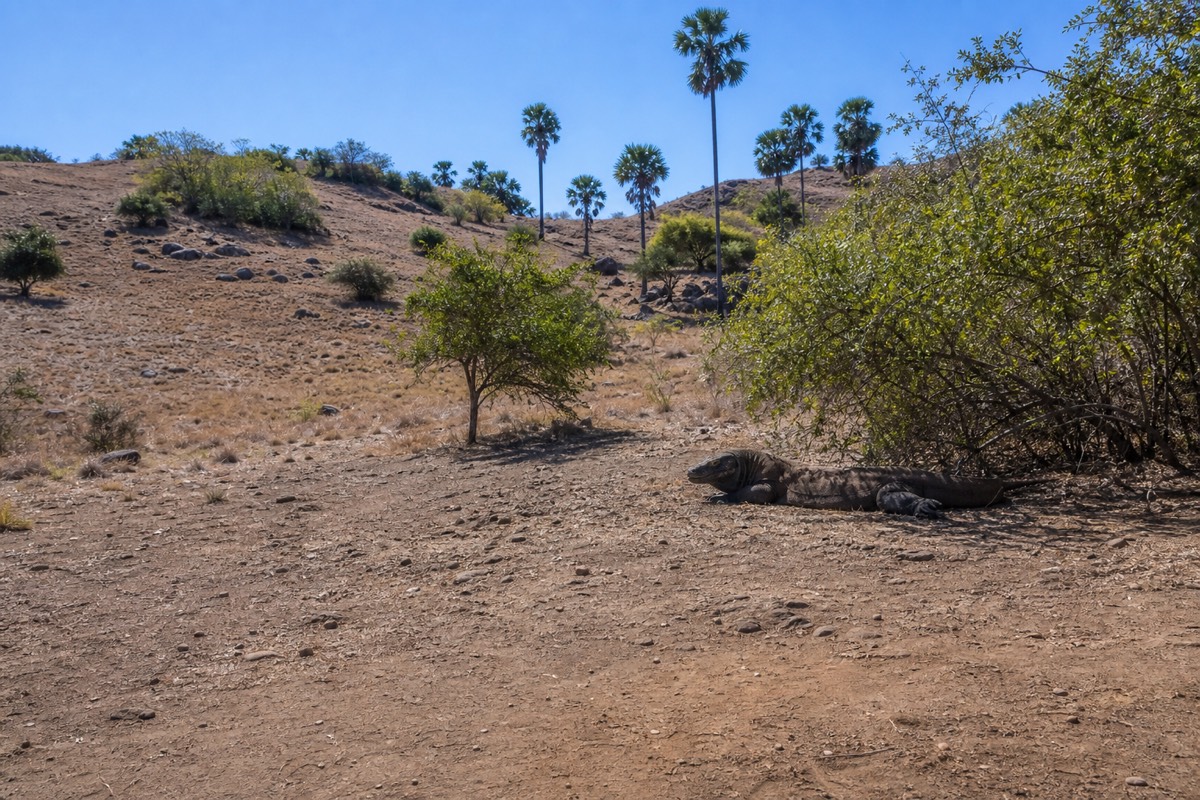
Every Komodo dragon question eventually splits into two islands. Both genuinely have wild dragons. Most tours, including every short one, only visit one of them, and it's worth knowing which, and why, before you book.
Booking Choice: Visit both Rinca and Komodo with ranger-led walks and two nights in an air-conditioned boat cabin. Explore Three-Day Rinca And Komodo Dragon Trek
Start: Labuan Bajo. Confirm age rules and extras before booking.
Do both islands actually have wild Komodo dragons?
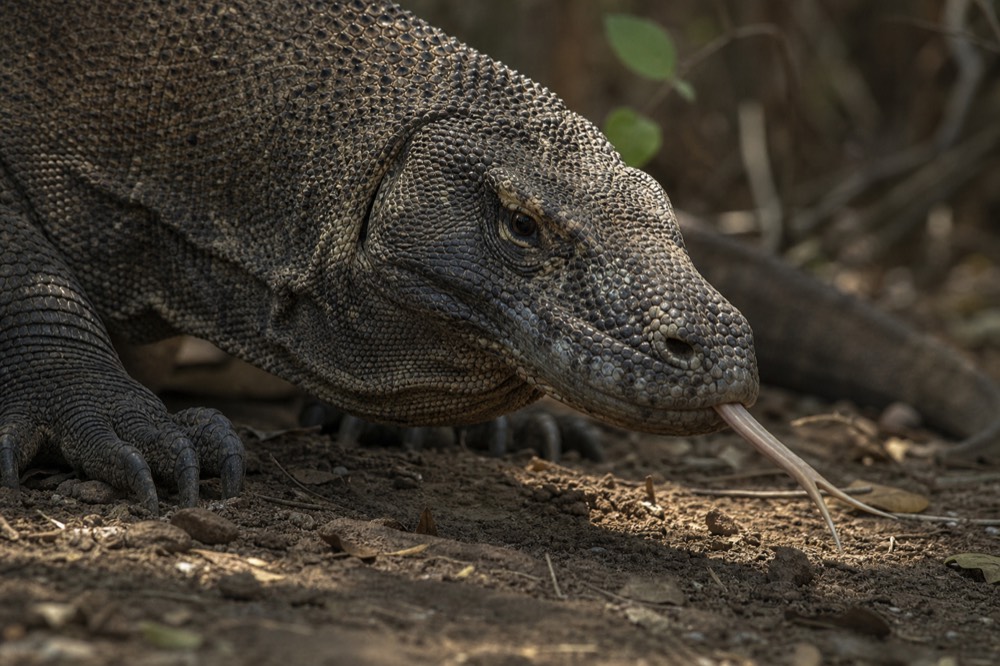
Yes, both Komodo Island and Rinca Island hold substantial wild, free-roaming dragon populations, and together with the park's smaller population on Gili Motang, these islands account for roughly two-thirds of the species' entire wild population. Neither is a token or reduced population; both support genuine, self-sustaining dragon habitat, covered in more detail in the where to see the dragons guide and the species' conservation status.
What's the actual difference in terrain and experience?
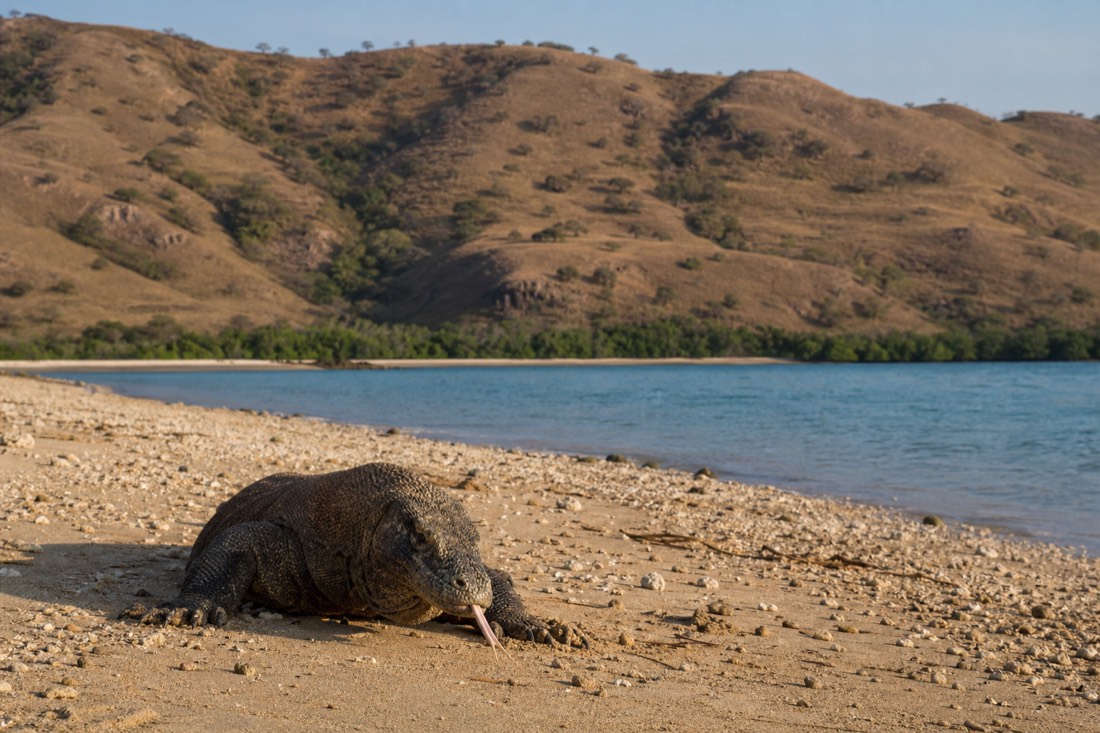
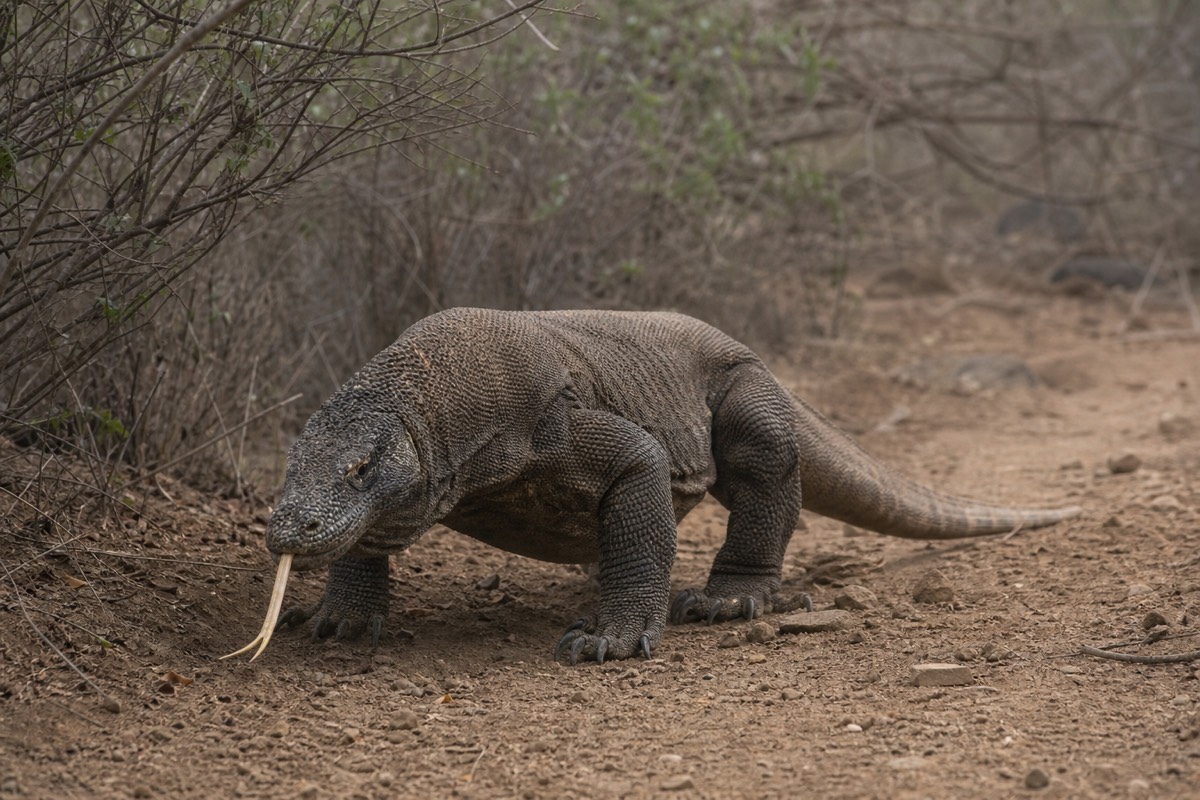
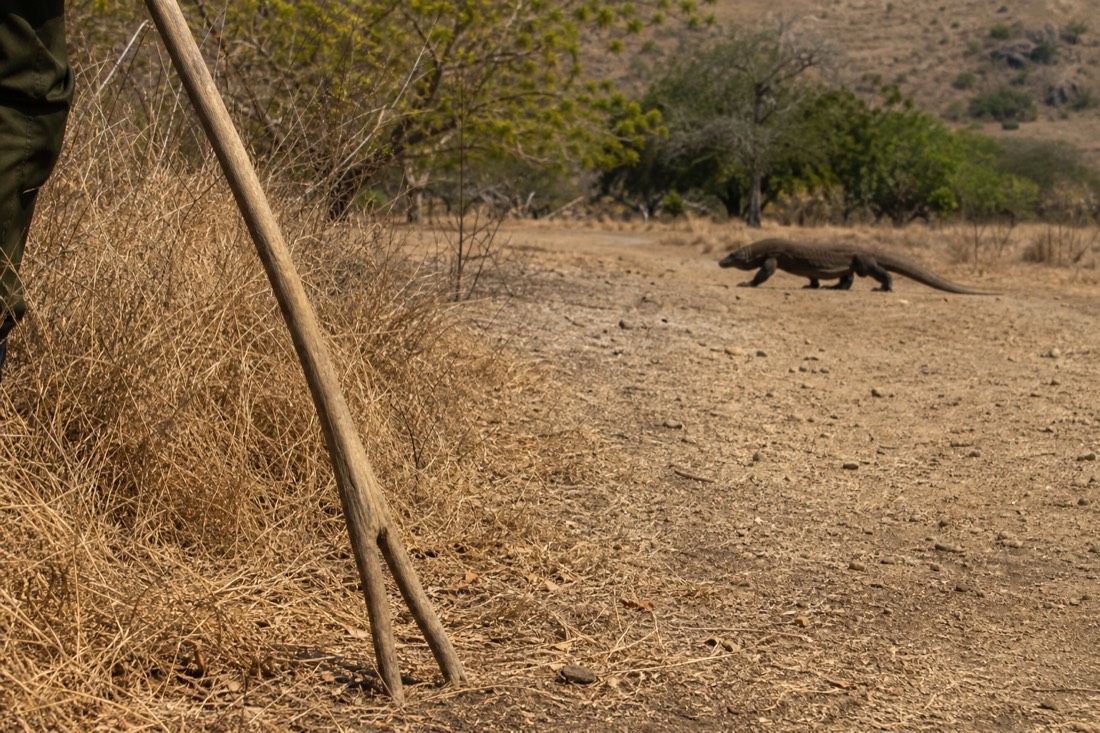
Komodo Island is larger and more varied, with some elevation and mixed terrain; Rinca Island is smaller, flatter and drier, with more open savanna that often makes spotting dragons at a distance somewhat easier. Both use the same guided-walk format: rangers, fixed trails, small groups, a managed safe distance.
| Factor | Komodo Island | Rinca Island |
|---|---|---|
| Size and terrain | Larger, more varied, some elevation | Smaller, flatter, open dry savanna |
| Ranger station | Loh Liang | Loh Buaya |
| Sighting conditions | Good; varies by trail and season | Open terrain often eases spotting |
| Proximity to Labuan Bajo | Further | Somewhat closer |
Why do most day trips visit Komodo Island rather than Rinca?
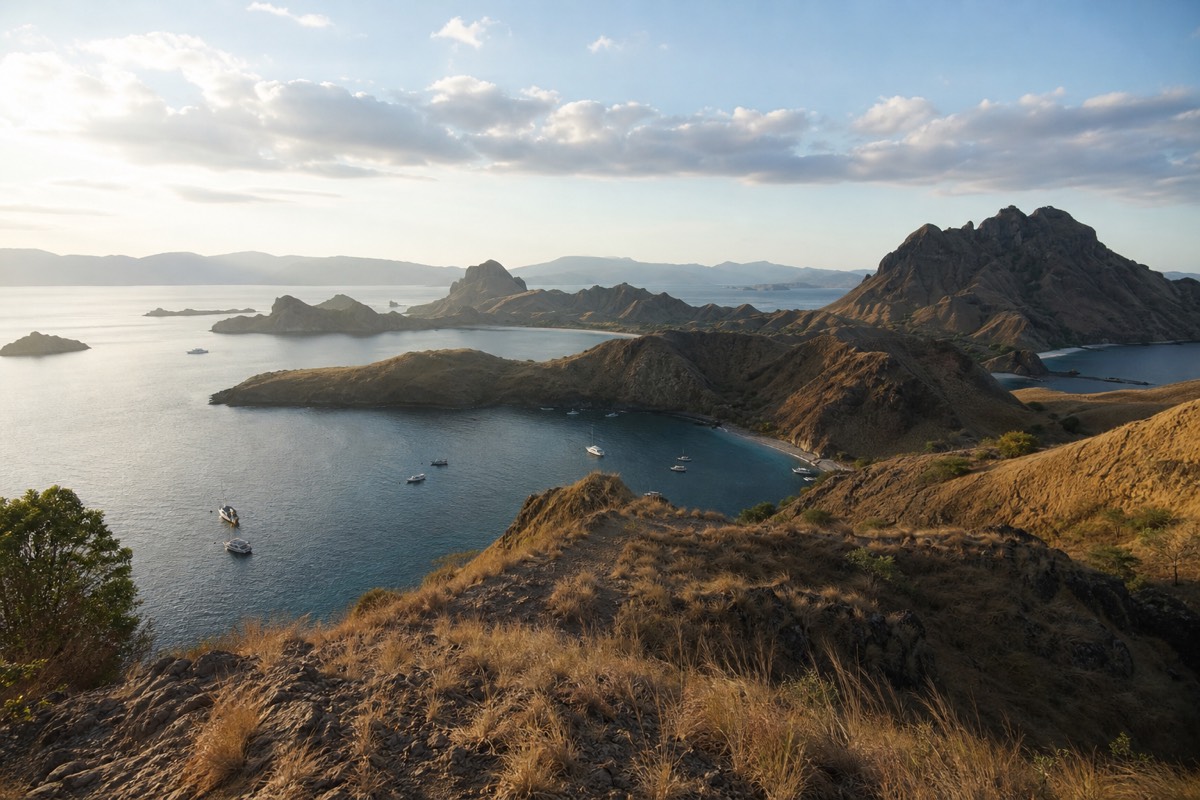
It comes down to routing: Padar Island and Pink Beach, the other two headline stops on a standard day trip, sit on a route more naturally paired with Komodo Island, so operators build single-day itineraries around that side of the park. Rinca sits on a different line, one that fits more naturally into a longer, multi-day itinerary rather than a single packed day.
| Tour format | Typically visits |
|---|---|
| Day trip / early-bird speedboat | Komodo Island, alongside Padar and Pink Beach |
| 2D1N-3D2N open trip | Komodo Island (Rinca less common on this length) |
| 4D3N+ private/liveaboard | Both Komodo and Rinca Islands, on separate days |
The private 4D3N tour on this site is the one built to include both, alongside an overland day to Cunca Wulang waterfall and Rangko Cave.
Should you prioritize adding Rinca if you have the extra time?
If your trip is already 4 days or longer, adding Rinca costs you relatively little in schedule terms and gives you a second, genuinely different dragon habitat to compare against Komodo Island's; on a 1-3 day trip, one dragon-island visit is enough for the large majority of travelers, and the time is generally better spent on the park's other headline stops instead.
| Trip length | Recommendation |
|---|---|
| 1 day | Komodo Island only, alongside Padar and Pink Beach |
| 2-3 days | Komodo Island is usually sufficient |
| 4+ days | Worth adding Rinca as a second, distinct dragon-island stop |
Is one island genuinely "better" for seeing dragons?
Neither island has a documented sighting advantage significant enough to make it the deciding factor on its own; the real difference is terrain and how each fits your overall itinerary, not which island has "more" dragons in a way that changes your odds meaningfully. Rinca's open terrain is the one factor repeat visitors and guides most consistently mention as making spotting somewhat easier, but it isn't a guarantee either way.
What else differs between a Komodo Island visit and a Rinca Island visit?
Beyond the dragons themselves, Rinca's ranger station and surrounding area tend to feel quieter and less built up than Komodo Island's, which some travelers prefer. Komodo Island's side of the park, by contrast, benefits from proximity to Padar and Pink Beach, meaning your overall day covers more distinct highlights even if the dragon-spotting experience itself is broadly comparable between the two islands, a tradeoff also weighed in the wider is a Komodo tour worth it guide.
What does the walk itself feel like on each island, minute by minute?
A Komodo Island walk typically starts with a short climb through denser vegetation before opening onto flatter ground near the ranger post, where most sightings happen; a Rinca Island walk stays on open, flat savanna for nearly its full length, which is exactly why guides and repeat visitors describe spotting as generally easier there. Both walks last roughly 30-90 minutes depending on how much activity rangers observe that day, and both end back at the same ranger post you started from.
| Stage | Komodo Island | Rinca Island |
|---|---|---|
| Starting terrain | Mixed forest edge, some elevation | Open dry savanna from the start |
| Typical walk length | 30-90 minutes | 30-90 minutes |
| Where sightings cluster | Near the ranger post and shaded areas | Spread across open ground, often visible from further away |
| Return route | Same fixed trail back to Loh Liang | Same fixed trail back to Loh Buaya |
Which island fits which kind of traveler?
| You are... | Better fit |
|---|---|
| On a single day trip with Padar and Pink Beach already planned | Komodo Island (the natural routing) |
| Hoping for the easiest possible visual spotting conditions | Rinca Island's open terrain |
| On a 4+ day itinerary and want to see both habitats | Both, on separate days |
| Traveling with a photographer who wants a variety of backdrops | Both, since the terrain and light differ meaningfully |
Does either island get more crowded at the ranger post?
Komodo Island's ranger post at Loh Liang sees noticeably more foot traffic overall, simply because it's the island most day trips and open trips visit by default; Rinca's Loh Buaya post, reached mainly on longer itineraries, tends to feel less crowded as a result, not because it's less popular but because fewer boats route through it on any given day. If crowd levels specifically bother you, an early-bird departure to Komodo Island or building Rinca into a longer trip are the two practical ways around it.
How much actual boat travel time does each island add to your day?
Rinca sits somewhat closer to Labuan Bajo than Komodo Island by direct boat route, which is one of the practical reasons some multi-day itineraries visit Rinca on the outbound or return leg of a longer trip rather than as a dedicated detour. In practice, the difference rarely changes which island a standard day trip visits, since Padar and Pink Beach's routing already determines the day's path more than travel time to either dragon island alone does.
| Route | Relative travel time from Labuan Bajo |
|---|---|
| Labuan Bajo to Rinca (Loh Buaya) | Shorter, closer route |
| Labuan Bajo to Komodo Island (Loh Liang) | Longer, but naturally paired with Padar and Pink Beach en route |
How does the landscape actually look and feel different between the two, for photography?
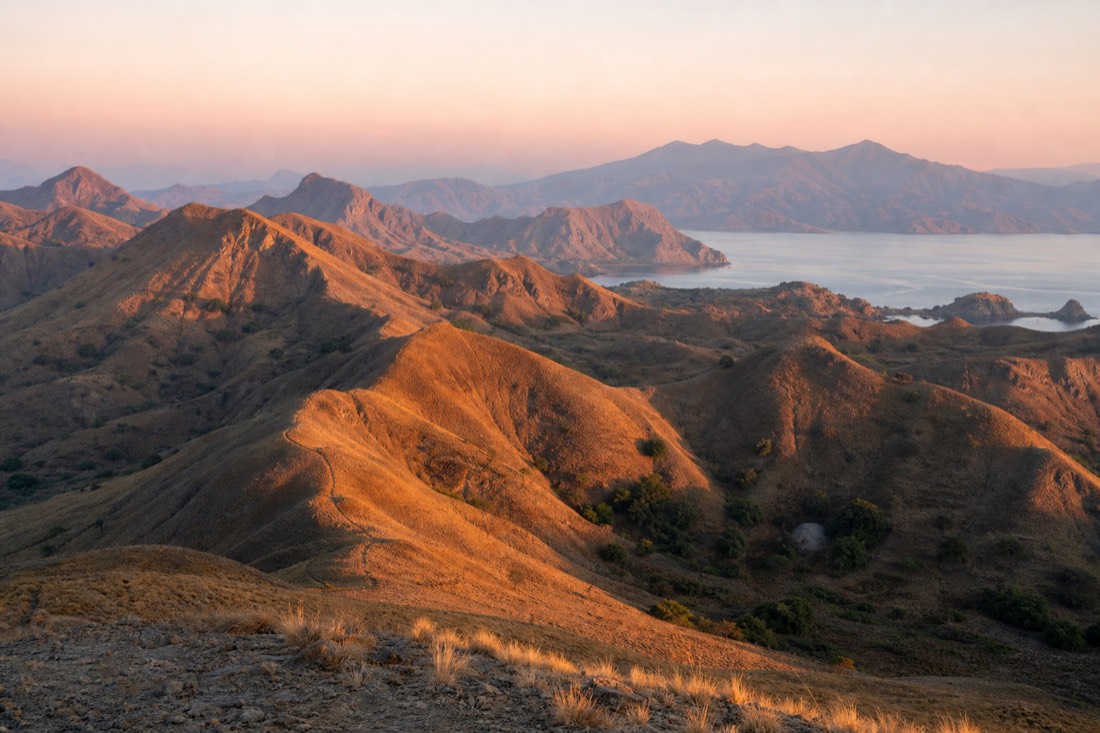
Komodo Island's terrain mixes forest edge and drier hillside, giving photos more shade contrast and vertical variety in the background; Rinca's flat, open dry savanna produces wide, golden-hour-friendly landscape shots with dragons visible at a distance against open sky, a genuinely different visual signature from Komodo Island's more layered scenery. Photographers building a portfolio around the trip often value having both in the frame precisely because they don't look the same, one reason a longer, multi-day itinerary that includes both islands appeals to this traveler type specifically.
| Visual factor | Komodo Island | Rinca Island |
|---|---|---|
| Terrain variety | Mixed forest edge and hillside | Open, flat dry savanna |
| Best light | Morning, dappled through vegetation edges | Golden hour, wide open sky |
| Typical framing | Closer, more layered backgrounds | Wide shots, dragons visible at distance |
What does "includes Komodo Island" actually mean in a tour listing's fine print?
When a listing says it "includes Komodo Island," that specifically means the ranger-led dragon walk at Loh Liang, not a broader claim about which of the park's other islands are also on the itinerary; Padar, Pink Beach and Manta Point are usually separate line items in the same listing rather than bundled under the "Komodo Island" label. It's worth reading a tour's full stop list rather than assuming "Komodo Island" in the title covers everything, since that's genuinely just the dragon-walk component of what's often a four or five-stop day, laid out in full in the boat tour formats guide.
Why did both islands end up protected inside the same national park?
Komodo National Park was established specifically to protect the Komodo dragon and its habitat, and because the species' wild range spans several neighboring islands rather than a single one, the park's boundaries were drawn to cover Komodo, Rinca, Padar and the surrounding waters as one connected protected area rather than isolating a single island. That's the practical reason a "Komodo trip" was never really a one-island proposition to begin with, the species itself doesn't respect the kind of single-island framing the marketing sometimes implies.
The park's later designation as a UNESCO World Heritage Site reinforced that same connected-ecosystem approach, treating the islands, the surrounding marine environment and the dragon population as one system worth protecting together rather than managing each island under separate rules. For a visitor, the practical upshot is that whichever island your itinerary actually visits, you're seeing one part of a single, deliberately connected conservation area, not a lesser or lucky-draw version of "the real Komodo."
How do repeat visitors typically decide which island to prioritize on a return trip?
Travelers returning to the park for a second visit most often choose whichever island they didn't see the first time, treating the two dragon islands as complementary rather than competing experiences, and pairing the return visit with a longer liveaboard than their first, shorter trip. It's a genuinely common pattern: a first Komodo trip built around a single day trip to Komodo Island, followed by a longer return visit specifically built around Rinca, the park's smaller islands, and more time at named dive sites.
| Trip | Common pattern |
|---|---|
| First visit | Day trip or short liveaboard, Komodo Island's dragon walk |
| Return visit | Longer liveaboard, Rinca Island, smaller named islands, dive sites |
How do the two islands' surrounding waters compare for the snorkeling or diving you'd pair with the walk?
Komodo Island's side of the park sits closer to Manta Point and the main snorkel circuit most day trips already follow, while Rinca sits nearer the park's southern dive sites, including Cannibal Rock, which draws divers rather than snorkelers specifically. That geography reinforces the same pattern covered throughout this guide: Komodo Island pairs naturally with the standard snorkeling-based day trip, while Rinca pairs more naturally with a longer, dive-inclusive itinerary.
| Island | Nearby water activity |
|---|---|
| Komodo Island | Manta Point and the main snorkel circuit |
| Rinca Island | Southern dive sites (e.g. Cannibal Rock), more current-driven |
What's the one-sentence answer for someone who just wants to know which island to pick?
If you only have time for one, pick Komodo Island, since it's what nearly every standard tour already includes and pairs naturally with Padar and Pink Beach on the same day; add Rinca only if your trip is already 4+ days long or you're specifically building a dive-focused itinerary around the park's southern sites.
Is there ever a case where Rinca genuinely makes more sense as your ONLY dragon-island stop?
Yes, specifically if you're building a custom private charter or a specialized itinerary that skips the standard Padar-Pink Beach-Komodo Island circuit entirely in favor of a different route, or if easy, distant visual spotting on open terrain matters more to you than pairing the walk with the park's other headline stops. This is a genuinely uncommon scenario for most travelers booking a standard tour, but it's a legitimate reason to specifically request Rinca over Komodo Island when talking directly with an operator about a custom route.
How should a traveler who's genuinely torn between the two make peace with picking one?
Remind yourself that both islands protect the same species under the same conservation framework, and a "wrong" choice here simply doesn't exist the way it might for, say, picking between two very different cities. Whichever island your itinerary lands on delivers a real, ranger-led encounter with a genuinely wild population, and the terrain or crowd differences covered throughout this guide are refinements on a good outcome, not a gap between a good outcome and a bad one.
What's the quickest possible summary if someone asks you which island is "better" after your trip?
"Komodo Island for the classic day-trip routing, Rinca if you specifically want easier spotting on open ground or you're already doing a longer trip" covers the honest answer in one sentence, and it's the same conclusion every table and section in this guide ultimately points back to.
What should you actually read next to lock in the rest of your itinerary?
Pair this comparison with the boat tour formats guide to see which specific listings visit which island, and with how many days you need to work out whether a longer, both-islands trip actually fits your schedule.
Last word: does this choice deserve as much attention as it gets online?
Honestly, less than the volume of forum debate about it suggests. Both islands deliver the core experience well, and your itinerary's routing decides it for most travelers anyway, so treat this guide as useful context rather than a decision that needs to keep you up at night. Book your tour, trust the operator's routing, and enjoy whichever island you end up on.