Komodo Dragon Conservation: Population, Threats and Responsible Tourism
The Komodo dragon is listed as Endangered. That status, and the real threats behind it, have nothing to do with the tourism myths that circulate about the species.
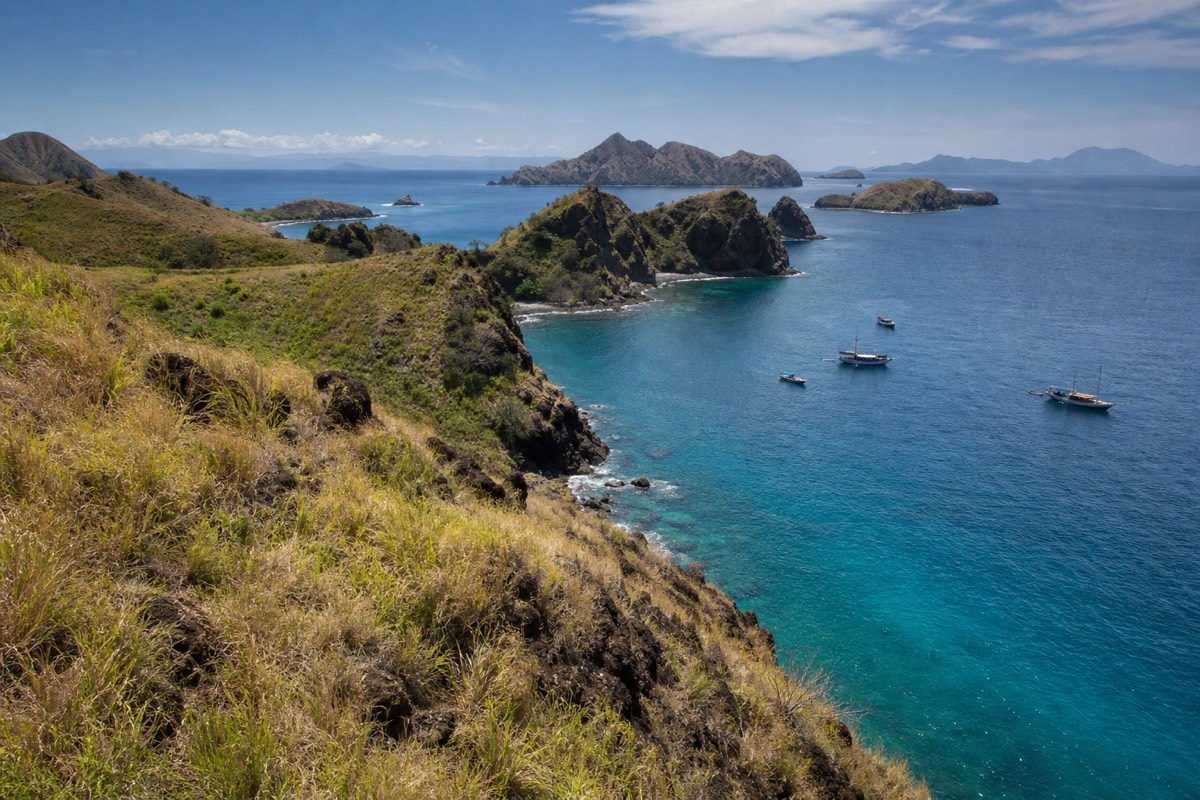
The Komodo dragon's Endangered status is real, sourced to the IUCN Red List, and worth understanding on its own terms, separate from the tourism myths that tend to dominate casual conversation about the species.
Booking Choice: Reach Padar, Pink Beach and a ranger-led dragon walk on an 11-hour group day trip. Explore Early-Departure Komodo Group Speedboat
Start: Labuan Bajo. Confirm age rules and extras before booking.
What's the Komodo dragon's actual conservation status?
The IUCN Red List classifies the Komodo dragon as Endangered, an assessment last updated in 2021 (an uplisting from its previous Vulnerable status). That's the internationally recognized conservation classification for the species, based on published population and threat data rather than tourism industry figures.
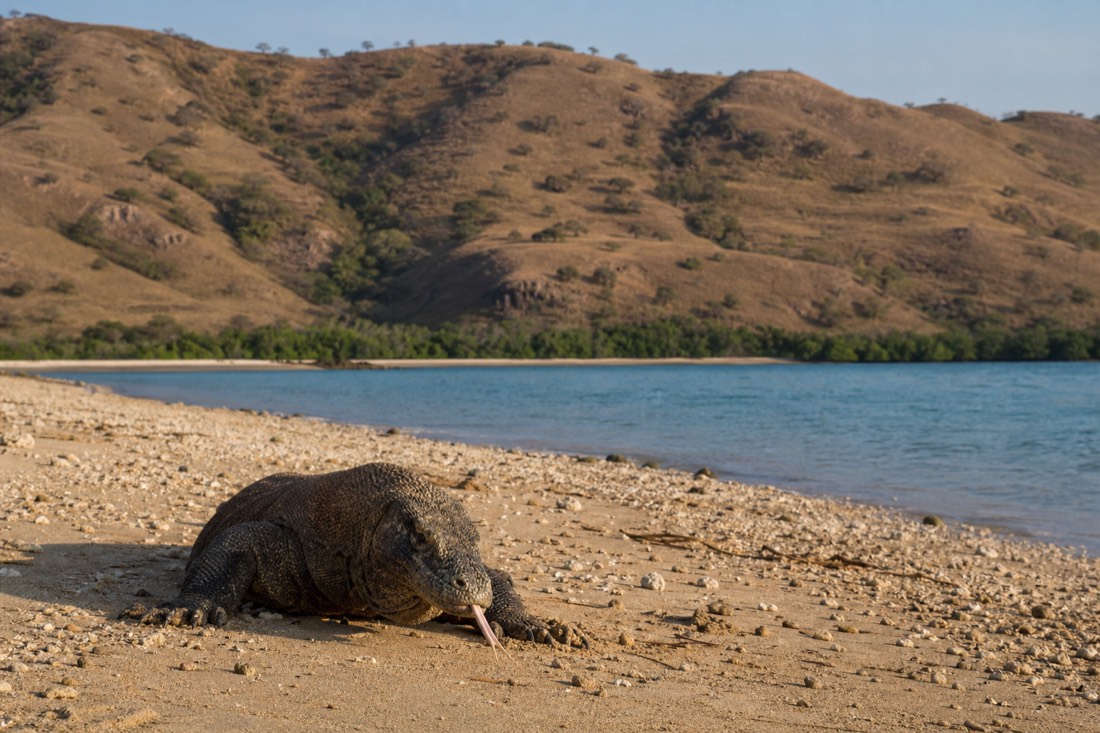
How many Komodo dragons are actually left?
The most recent credible estimate, from a 2023 census, puts the total wild population at approximately 3,396 individuals, with a margin of roughly plus or minus 359. Separately, the IUCN's 2021 assessment cites a more conservative figure of under 1,400 mature adults, the animals capable of breeding, which is the number more directly tied to the species' Endangered classification. Both figures are real and come from different but complementary counting methods; they aren't in conflict so much as measuring slightly different things (total individuals versus breeding-capable adults).
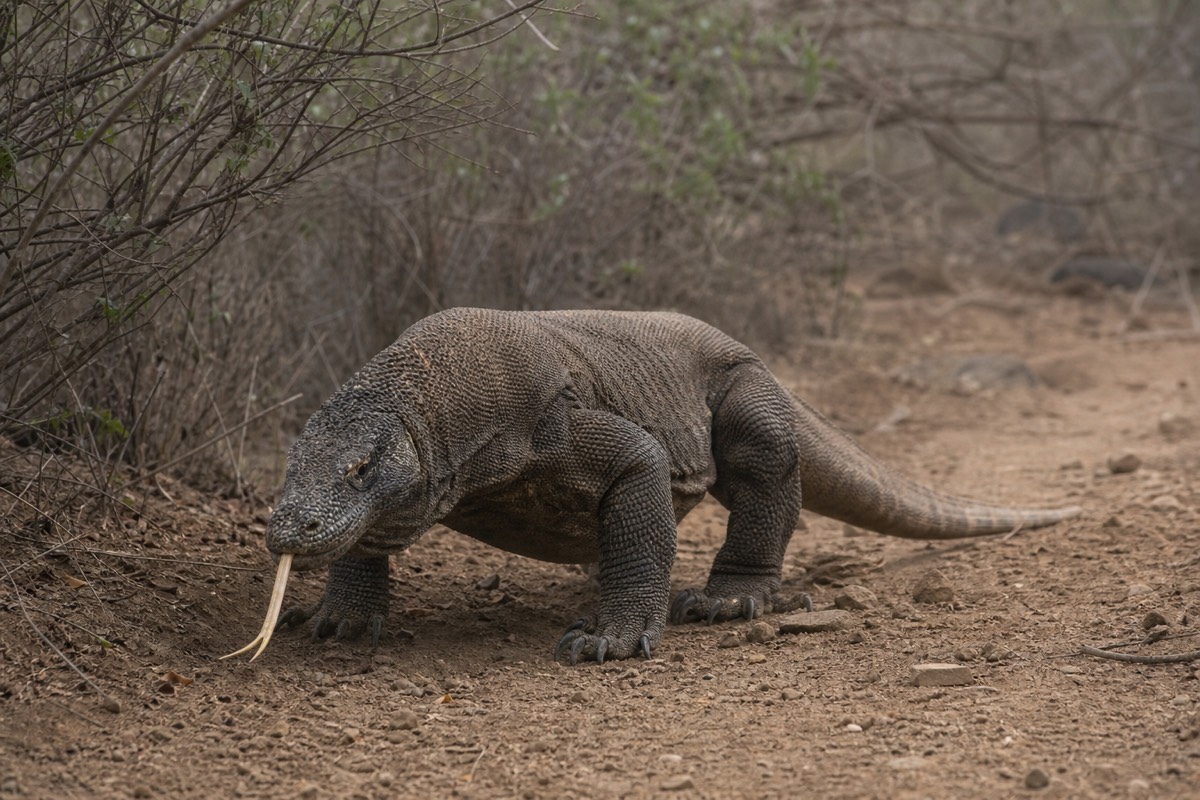
Where do these dragons actually live?
Roughly two-thirds of the population lives across Komodo and Rinca Islands, the two largest and most-visited habitats. Smaller populations exist on Gili Motang and in a recovering pocket on Nusa Kode near Padar, plus limited, isolated pockets on the Flores mainland, including the protected Wae Wuul Nature Reserve. This distribution is part of why guided tours concentrate on Komodo and Rinca specifically: it's where the large majority of the wild population actually is.
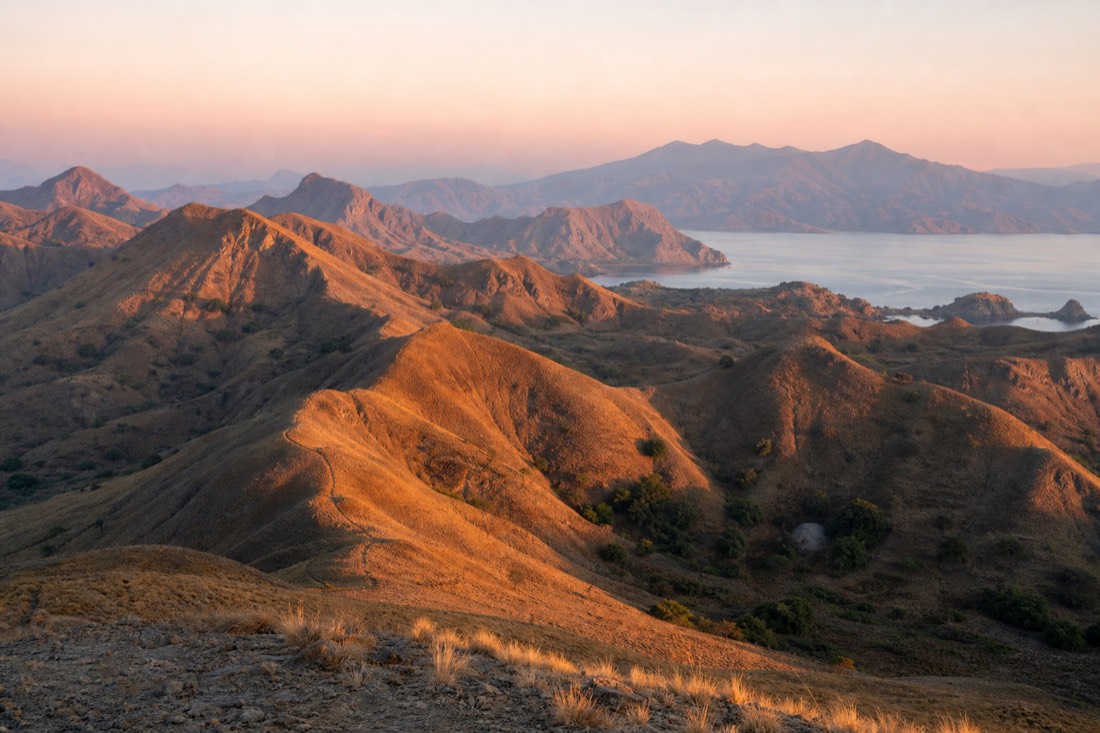
Is the population growing, shrinking, or holding steady?
Current park monitoring data, covering 2018 through 2024, describes the population trend as stable, with a positive signal over that period. That's a meaningfully positive data point for a species still classified as Endangered, and it reflects the ongoing effect of the park's protected status and active monitoring rather than a reason to consider the species out of danger.

What are the real, documented threats the species faces?
Several distinct pressures show up consistently across IUCN and park-monitoring sources: climate change and sea level rise, which threaten to reduce available low-lying habitat over time; habitat degradation and human encroachment, particularly on the Flores mainland populations; a decline in the deer and other prey species dragons depend on, driven partly by poaching; direct human-wildlife conflict, including livestock predation; and genetic isolation within the smaller, more separated subpopulations like Gili Motang's. None of these are new or unique threats within global conservation, but taken together they explain why the species remains Endangered even with a currently stable population trend.
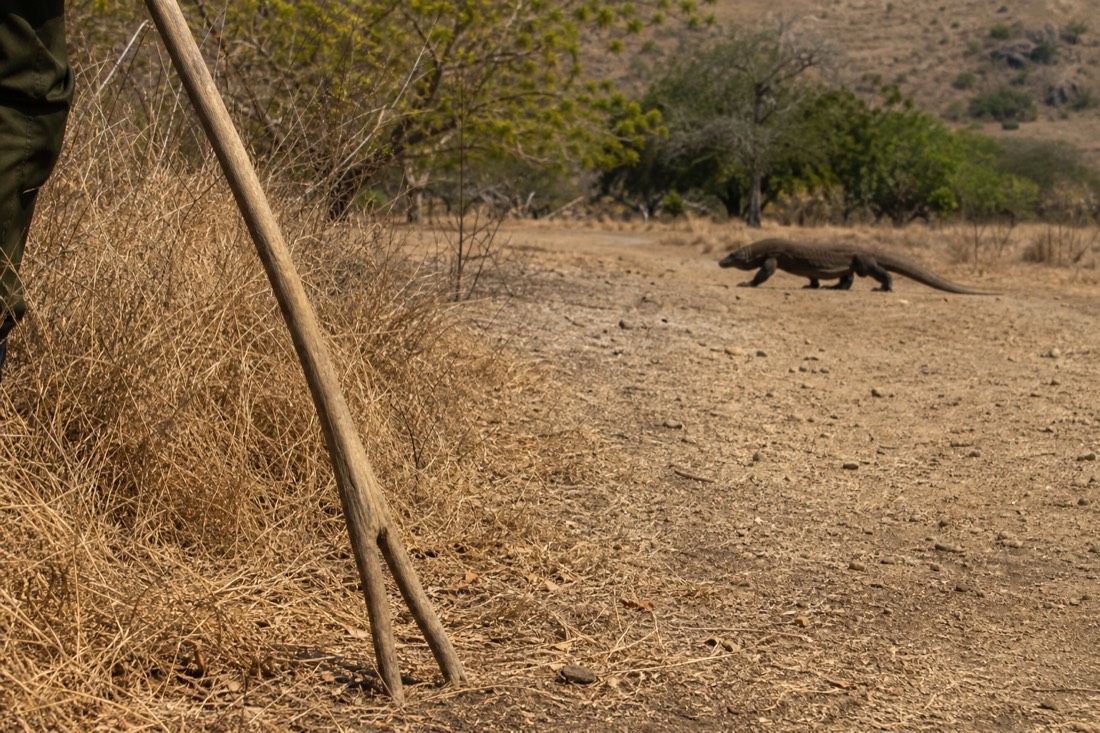
What conservation work is actually happening?
Komodo National Park's protected status, reinforced by its UNESCO World Heritage Site designation since 1991, underpins ranger patrolling and habitat protection across the park. The Komodo Survival Program, a dedicated conservation organization, runs community-based monitoring, deer prey management and anti-poaching work specifically focused on the species. Long-term camera-trap and demographic surveys, the same kind that produced the population figures above, continue to track how the species is actually doing over time rather than relying on outdated estimates.
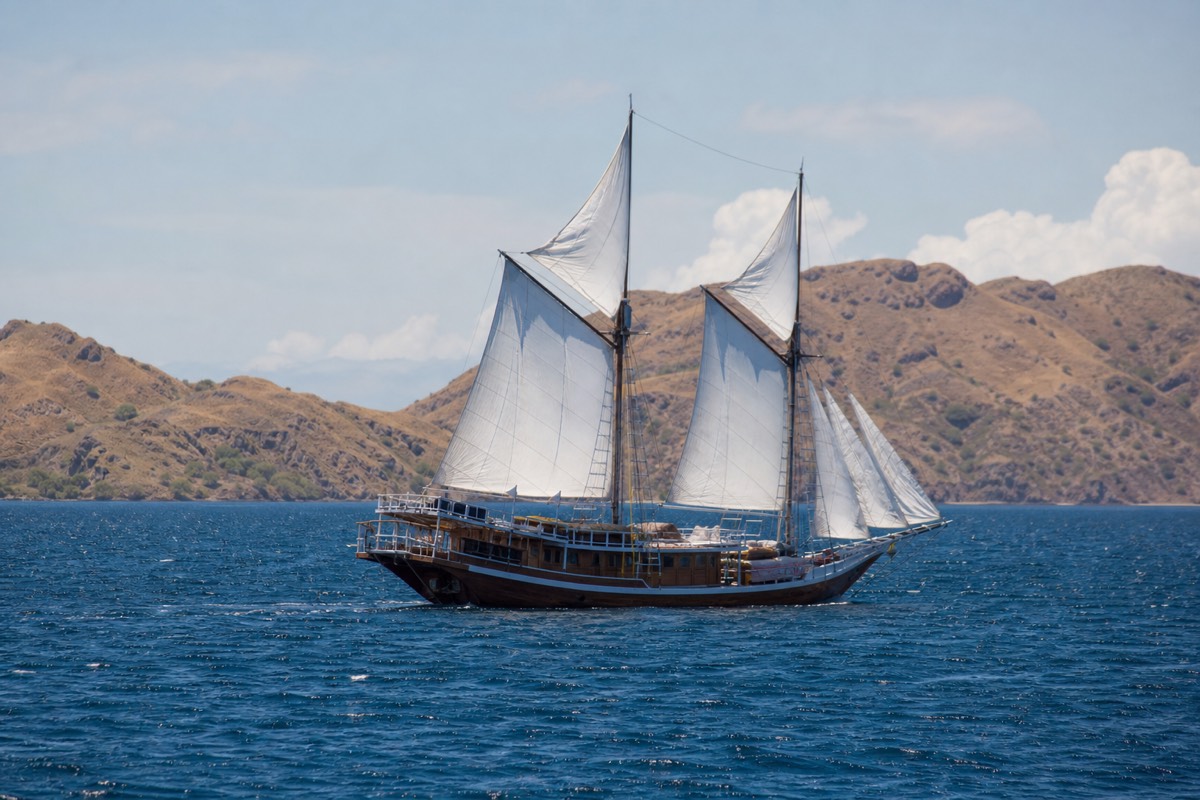
Are Komodo dragons drugged or baited for tourists? What's actually true here.
This is a persistent rumor worth addressing directly: there is no credible evidence, from park authorities, journalists or researchers, that dragons are drugged or sedated for tourism today. It's best understood as a myth. The behavior that likely fuels it has an ordinary explanation: dragons are cold-blooded reptiles that rest visibly and appear lethargic after feeding, and animals in frequently visited tourist areas can become somewhat habituated to nearby humans over time, which can look like sedation to an unfamiliar observer without being one.
There is a related, separate historical practice worth distinguishing from the drugging myth: some sites did, in past decades, practice supplemental feeding, including lowering carcasses to draw dragons out for easier viewing. That approach has been studied for its conservation drawbacks and is not part of how guided visits work today; current park rules prohibit feeding wild dragons, and guided walks rely on rangers finding dragons in their natural activity rather than luring them out.
What does responsible tourism actually look like on a Komodo visit?
In practice, it's the same guided-walk system covered in the dragon safety guide: small ranger-led groups on fixed trails, a maintained safe distance, and a strict no-feeding, no-touching rule. Beyond the walk itself, choosing an operator that follows park rules, respects the daily visitor cap and booking system, and doesn't pressure rangers to force an encounter is the practical version of responsible tourism here, more than any single symbolic gesture.